
Key Takeaways
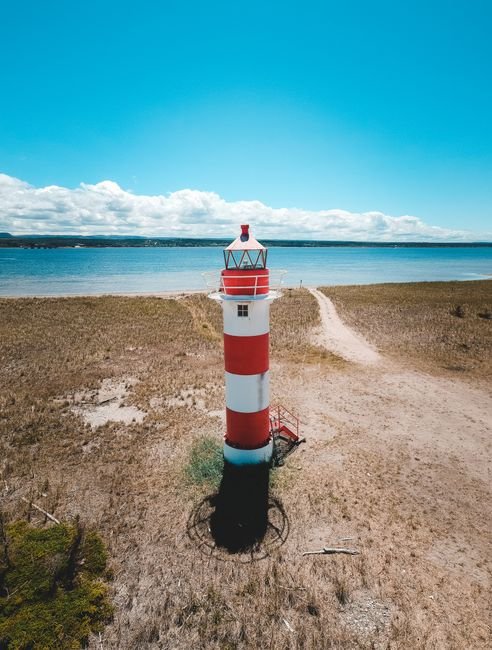
- Walk the Cape Byron Lighthouse track for coastal views; allow two to three hours.
- Choose a beach that fits your day and follow flag safety rules.
- Try surf lessons, kayaking or paddleboarding, but book ahead and heed conditions.
- Explore town shops, markets and the hinterland, pacing your itinerary for enjoyment.
things to do in byron bay range from walking to a historic lighthouse to swimming, eating well, and exploring the coast. This relaxed seaside town in New South Wales, Australia, is an easy place to slow down, but its beaches and popular attractions still reward a little planning.
Byron Bay suits first-time visitors, couples, families, and outdoor-minded travelers. You can spend a day on the sand, browse local shops, take a surf lesson, or head inland for a change of scenery. The town is compact, though parking and accommodation can be challenging during busy periods.
This guide covers the best things to do in Byron Bay, along with transport, timing, local customs, and practical advice for a smoother visit.
Things to Do in Byron Bay: 20 Practical Tips
Tip 1 – Walk the Cape Byron Lighthouse track

The Cape Byron walking track is one of the most memorable ways to see the coastline. The loop passes beaches, viewpoints, and the Cape Byron Lighthouse, which sits at Australia’s easternmost mainland point. Allow around two to three hours for the full walk, including stops.
Some sections are steep, and the track can feel hot in the middle of the day. Take water, wear comfortable shoes, and check current track conditions with NSW National Parks before setting out. Sunrise is beautiful, but expect other early risers and limited parking.
Tip 2 – Choose a beach that suits your day
Main Beach is close to town, with cafés and shops a short walk away. It is a convenient choice if you want to swim, relax, and stay near facilities. Clarkes Beach and The Pass are popular for their coastal views and surf, while Wategos Beach feels more sheltered and is a lovely spot for a quieter break.
Conditions change with the weather, tides, and surf. Swim between the red and yellow flags when lifeguards are on duty, and follow posted warnings. If you are unsure about a beach or the water, ask a local lifeguard rather than guessing.
Tip 3 – Take a beginner surf lesson

Byron Bay is known for surfing, and a lesson is a friendly way to try it without needing your own board. Local instructors can help you choose suitable conditions, learn basic ocean safety, and practice in a beginner-friendly area. Book ahead during school holidays and summer weekends.
Surf conditions are not always gentle, even when the beach looks calm. Tell the instructor if you are a weak swimmer or have no experience in the ocean, and do not take a rented board into unfamiliar surf alone.
Tip 4 – Browse the town centre and its local shops
Jonson Street is the main shopping strip, with clothing stores, cafés, surf shops, and places to pick up practical beach supplies. Wander the nearby streets for independent boutiques and small galleries. The centre is easy to explore on foot, so leave time to browse rather than treating it as a quick stop between beaches.
Prices can be higher than in larger Australian cities, particularly for beachwear and gifts. If you are watching your budget, compare a few shops and look for locally made items rather than buying the first souvenir you see.
Tip 5 – Try local seafood and Australian café favourites
Byron Bay has a strong café culture, with plenty of choices for breakfast, coffee, casual lunch, and dinner. Look for fish and chips, locally caught seafood when available, and seasonal produce from the Northern Rivers region. Menus and opening days vary, so check ahead if there is a particular restaurant you want to visit.
Vegetarian, vegan, and gluten-free options are common, but it is still worth asking staff about ingredients and cross-contact if you have an allergy. For a less expensive meal, compare lunch specials, bakery options, and takeaway rather than assuming every place has budget prices.
Tip 6 – Visit The Pass and watch the surfers
The Pass is one of Byron’s best-known surf breaks and a scenic place to watch experienced surfers ride the waves. The headland lookout gives you a good view of the beach and coastline. It is also a popular swimming and walking area, so take care around boards and give surfers plenty of space.
Parking can fill quickly, particularly on sunny days. Consider walking or cycling from town if you are staying nearby, and bring water because you may not find an open café right where you want one.
Tip 7 – Make time for a relaxed afternoon at Wategos Beach

Wategos is a small, picturesque beach below the lighthouse headland. It is a good place to sit with a book, have a picnic, or enjoy the view after walking part of the Cape Byron track. The setting is beautiful, but the beach is not a secret and can be busy at peak times.
Bring what you need for your visit, including drinking water and sun protection. Check the surf and swimming conditions before entering the water, and take all rubbish back with you.
Tip 8 – Look for wildlife from a respectful distance
Byron Bay’s coastal setting can bring opportunities to see dolphins, sea turtles, and, in the cooler months, migrating whales from shore. The Cape Byron headland and coastal walks are good places to scan the water. Sightings are never guaranteed, so enjoy the coastline whether or not wildlife appears.
Use binoculars if you have them, keep a respectful distance, and never feed or chase wild animals. If you book a wildlife tour, choose an operator that follows local regulations and responsible viewing practices.
Tip 9 – Explore the Northern Rivers hinterland
Take a day trip inland to see a different side of the region. The Northern Rivers hinterland has green countryside, small towns, local food producers, and rainforest scenery. Bangalow is a popular nearby stop for its heritage streets and independent shops, while other hinterland destinations are easier to reach with a car or organized tour.
Check driving times and opening hours before leaving Byron. Country roads can be narrow, and rain may affect conditions. If you would rather not drive, compare tour itineraries carefully so you know how much time is spent traveling versus exploring.
Tip 10 – See a different side of Byron at a local market

Local markets are a pleasant way to browse handmade goods, produce, art, and food stalls. Byron Bay and nearby towns host markets on particular days, but schedules and locations can change. Check current listings before making a special trip, especially if you have only one day in the area.
Arrive earlier for easier parking and a wider choice of food and products. Carry a reusable bag and some cash, though many vendors also accept cards.
Tip 11 – Plan a low-cost beach and picnic day
You do not need a packed activity schedule to enjoy Byron Bay. Pick up picnic supplies, walk to a beach or grassy public area, and leave time for a swim or a long coastal stroll. The shoreline and headland views are among the best free things to do in Byron Bay.
Keep food sealed and do not leave belongings unattended while swimming. Public spaces can be busy, and shade is limited on some beaches, so bring a hat and sun protection.
Tip 12 – Choose family-friendly activities at a comfortable pace
Families can combine a short beach visit, an easy section of the coastal track, and a meal in town. Children may enjoy watching surfers, spotting seabirds, or looking for rock pools where conditions allow. Check tide information and supervise children closely near the water and rocky edges.
Not every beach has the same facilities, and some paths have steep or uneven sections. If you need step-free access, toilets, or a pram-friendly route, check current local information before choosing your outing.
Tip 13 – Book a kayaking or stand-up paddle experience
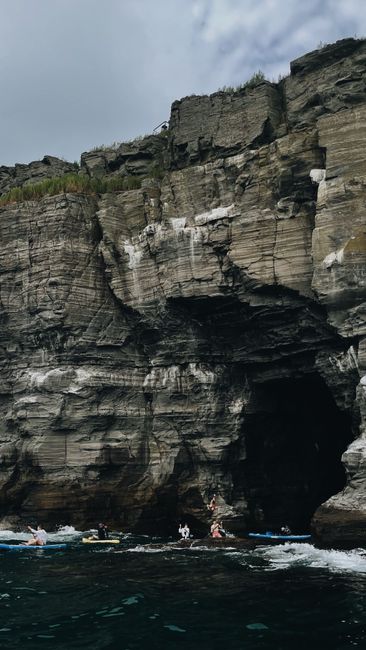
Guided kayaking and stand-up paddle trips offer a different view of Byron’s coast and can be a fun way to spend part of a day. Tours generally provide equipment and guidance, but availability depends on weather and sea conditions. Check what is included and whether the activity suits your swimming ability.
Reserve in advance in busy seasons, and read the cancellation policy before paying. If conditions are unsuitable, accept the operator’s safety decision rather than trying to go out on your own.
Tip 14 – Enjoy a sunset without rushing
As the day winds down, find a comfortable spot along the coast and watch the changing light. The lighthouse headland, beaches, and town’s open coastal areas all offer memorable evening views. Sunset draws plenty of visitors, so allow extra time to reach your chosen spot.
Bring a light layer, especially outside summer, and use a torch if you will be walking back after dark. Stay on marked paths and avoid cliff edges, which can be difficult to see in low light.
Tip 15 – Pick your season with weather and crowds in mind
Byron Bay has a mild coastal climate, but conditions vary through the year. Summer brings warm beach weather and more visitors, while autumn can offer pleasant days and a busy holiday calendar. Winter is cooler, with a chance of whale sightings along the coast. Spring can be a good time for walks and outdoor plans, though weather can still change.
Book accommodation early for school holidays, major events, and long weekends. If you prefer a quieter trip, consider weekdays outside peak holiday periods and keep a flexible plan in case of rain or rough surf.
Tip 16 – Get around by walking, bus, or bike
The town centre and several beaches are walkable, but distances add up if you plan to visit multiple headlands or nearby towns. Local buses connect Byron with some regional destinations, and cycling can work well for shorter journeys. Check routes and timetables with Transport for NSW before you travel.
Ballina Byron Gateway Airport is the closest airport, while Gold Coast Airport is another option with a longer onward journey. Compare transfer costs and schedules before booking flights. If you rent a car, remember that parking near popular beaches can be limited.
Tip 17 – Pack for sun, rain, and changing coastal conditions
Bring a hat, sunglasses, reef-safe sunscreen, a refillable water bottle, and comfortable walking shoes. A swimsuit and quick-drying towel are useful, while a light rain jacket and an extra layer can make a difference when the weather turns or the evening cools down.
For the lighthouse walk, avoid relying on sandals with little grip. If you are visiting in summer, carry more water than you think you need and plan strenuous walks for cooler parts of the day.
Tip 18 – Stay safe in the water and around town
Use patrolled swimming areas when available, follow lifeguard instructions, and learn how to recognize warning signs and rip currents. Conditions can change quickly, and swimming alone or after drinking is risky. For urgent emergencies in Australia, call 000 for police, fire, or ambulance assistance.
Byron is generally easy to explore, but basic care still matters. Keep valuables secure, use well-lit routes at night, and tell someone if you are heading out on a longer walk. Save your accommodation address and transport details in your phone before leaving Wi-Fi.
Tip 19 – Use useful apps and check local information
A maps app helps with walking routes, while the Transport for NSW website or app can help you check public transport connections. Check official park notices before visiting the lighthouse area, and look at local weather and surf conditions before planning a beach day.
Mobile reception can vary around coastal and hinterland areas. Download maps or save essential details before setting out, and do not rely on a phone signal for navigation on every walk.
Tip 20 – Avoid the most common visitor mistake
The most common mistake is trying to fit every beach, the lighthouse, shopping, a hinterland trip, and a long lunch into one day. Byron Bay is best enjoyed at a slower pace, and travel between popular spots can take longer than expected when roads and car parks are busy.
Choose two or three priorities each day and leave room for weather, meals, and rest. If your wider travel plans also include destinations beyond Australia, our guide to Things to do in cheboygan mi offers ideas for a contrasting small-town trip in the United States.
Quick Reference for Things to Do in Byron Bay
| Experience | Good for | Practical note |
|---|---|---|
| Cape Byron Lighthouse walk | Coastal views and an active morning | Allow two to three hours for the full loop |
| Main Beach and Clarkes Beach | Swimming and time near town | Check flags and surf conditions |
| The Pass | Watching surfers and coastal scenery | Parking is limited at busy times |
| Local market | Food, crafts, and local atmosphere | Confirm market dates before visiting |
| Northern Rivers hinterland | Small towns and countryside | A car or organized tour may be useful |
Visa & Entry Requirements
Byron Bay is in New South Wales, Australia, so entry requirements are set by the Australian Government. Visa, passport-validity, electronic travel authorization, vaccination, customs, and permitted length-of-stay rules depend on your passport and current government policy. Requirements can differ between travelers, so do not rely on another visitor’s experience or assume that a rule for one nationality applies to you.
Before booking, check the Australian Government’s official visa finder and follow its links to the visa information that matches your circumstances. Some travelers need a visa before travel, while others may be eligible for an electronic authorization. Confirm whether you must apply in advance, what activities your permission allows, and how long you may stay. Do not travel until you have checked that any required permission has been granted.
Check your passport’s expiry date and condition well before departure. Australia’s entry rules and an airline’s document checks may not be identical, so confirm the requirements that apply to your passport and route. Make sure you have any necessary blank pages, and keep copies of important travel documents. Depending on your circumstances, you may also be asked for evidence of onward or return travel, accommodation plans, or enough funds for your stay.
Review current health and vaccination guidance from official Australian sources and check whether your itinerary or transit countries add requirements. Australia has strict biosecurity controls. Declare goods when required and do not bring food, plant material, animal products, or other restricted items without checking the rules first. Travel insurance is a practical safeguard for medical care, delays, and cancellations, even when it is not an entry condition.
Rules can change, and this information is general travel guidance rather than legal advice or a guarantee of admission. Confirm the latest requirements with the Australian Department of Home Affairs and, if needed, the Australian embassy or consulate responsible for your location. Recheck close to departure, including customs and arrival-card instructions.
Frequently Asked Questions
How many days should I spend in Byron Bay?
Two or three days gives most first-time visitors time for the lighthouse walk, a beach day, meals in town, and one additional activity. Stay longer if you want to take surf lessons, visit the hinterland, or travel at a slower pace.
What are the best things to do in Byron Bay for free?
Walk the Cape Byron track, relax at a beach, watch surfers at The Pass, explore the town centre, and enjoy the coastal views. Bring your own water and snacks to keep costs down.
Can I visit Byron Bay without a car?
Yes. The town centre and several beaches are walkable, and buses connect Byron with some regional destinations. A car is useful for exploring the wider Northern Rivers hinterland, but it is not essential for a short visit focused on town and beaches.
When is the best time to visit Byron Bay?
There is no single best season for everyone. Summer is warm and lively but busier, while cooler months can suit walking and may offer whale-watching opportunities from shore. Check local weather, surf conditions, and accommodation prices for your dates.
Is Byron Bay suitable for families?
Yes, families can enjoy beaches, easy town walks, and outdoor activities. Choose beaches and walking routes to suit the children’s ages and abilities, check water conditions, and supervise closely near the ocean and rocky areas.
Is it safe to swim at Byron Bay beaches?
Swimming is popular, but ocean conditions vary. Choose a patrolled beach when possible, swim between the flags, follow signs, and ask lifeguards if you are unsure. Never assume that calm-looking water is safe.
Conclusion
The best things to do in Byron Bay combine outdoor time with room to relax. Walk to Cape Byron Lighthouse, choose a beach that matches your plans, try a local café, and make time for a slower afternoon rather than racing between attractions.
Plan around the weather, beach conditions, and busy travel periods. With a little preparation and a flexible schedule, Byron Bay can be an easy and rewarding stop on a trip through New South Wales and Australia.
