
Key Takeaways
- Explore Lima’s historic center, food scene, and coastal walk
- Acclimatize in Cusco before high‑altitude sites like Sacred Valley and Machu Picchu
- Choose responsible tours for Amazon, Lake Titicaca, Paracas and Nazca
- Plan transport, altitude, and packing for varied climates and safety
best things to do in peru range from exploring Lima’s food scene to walking ancient paths in the Andes. Peru is a country, not a city, so this guide covers the main destinations and experiences travelers can combine across the country.
First-time visitors often build a route around Lima, Cusco, the Sacred Valley, and Machu Picchu. With more time, add southern Peru’s desert coast, Lake Titicaca, or the Amazon. Distances are long, and high altitude can affect your plans, so it helps to leave room for rest and travel delays.
Use this guide to plan practical experiences, choose where to spend your time, and avoid common first-trip mistakes. The best things to do in peru depend on your interests, the season, and how many days you have.
20 best things to do in peru: attractions, food, and local experiences
| Experience | Where | Useful to know |
|---|---|---|
| Explore historic streets and museums | Lima | Allow at least one full day |
| Visit Machu Picchu | Near Aguas Calientes | Book entry and train travel ahead |
| See Inca sites and villages | Sacred Valley | Allow time to adjust to altitude |
| Try regional food | Lima, Cusco, Arequipa, and beyond | Choose busy, clean places |
| Explore the desert coast | Paracas and Nazca | Plan for long road journeys |
Tip 1 – Explore Lima’s historic center

Lima’s historic center is a good introduction to Peru’s layered history. See the Plaza Mayor, the cathedral exterior, and the ornate balconies around the central streets. The area is busy, so keep valuables secure and use a trusted taxi or rideshare to get there and back.
Check opening times before visiting churches and museums, since hours can change on holidays. The city’s official visitor information is available through Peru’s official tourism website.
Tip 2 – Try Lima’s food in Miraflores and Barranco
Lima is one of Peru’s best places to sample regional cooking, from ceviche and causa to anticuchos and contemporary tasting menus. Miraflores has a wide range of restaurants, while Barranco is known for its relaxed cafés, bars, and creative atmosphere.
Ceviche is usually served at lunchtime, when the fish is freshest. If you have dietary restrictions, ask about ingredients and preparation, especially with sauces and marinades. For a lower-cost meal, look for a busy local menu-of-the-day restaurant.
Tip 3 – Walk the cliffs and parks of Miraflores

The clifftop paths in Miraflores offer broad views over the Pacific. Walk through the parks along the Malecón, stop at Parque del Amor, or visit the nearby shopping and dining area at Larcomar. The path is pleasant in the late afternoon, though coastal fog can hide the sunset during some months.
Stay on marked paths and use designated crossings. If you want to cycle, check local rental rules and choose a route that matches your confidence riding in traffic.
Tip 4 – Visit museums and archaeological sites in Lima
Set aside time for one or two museums rather than trying to visit them all in a single day. The Larco Museum is known for its collection of pre-Columbian objects, while the National Museum of Archaeology, Anthropology and History of Peru offers a wider view of the country’s past. Check official museum websites for current hours and ticket details.
Lima’s coastal archaeological sites, including Huaca Pucllana, show how much history sits within the modern city. A guided visit can make the site’s layout and purpose easier to understand.
Tip 5 – Spend time in Cusco before heading higher
Cusco is a destination in its own right, with Inca stonework, colonial buildings, markets, and museums. Walk slowly on your first day, drink water, and avoid planning a strenuous hike right after arriving. The city sits at high altitude, and some travelers feel breathless or unwell even during an easy walk.
Visit the main square, explore the San Blas neighborhood, and leave time for smaller museums or a café break. The best things to do in peru often combine famous sights with a slower day to adjust to the altitude.
Tip 6 – See the Sacred Valley’s towns and ruins
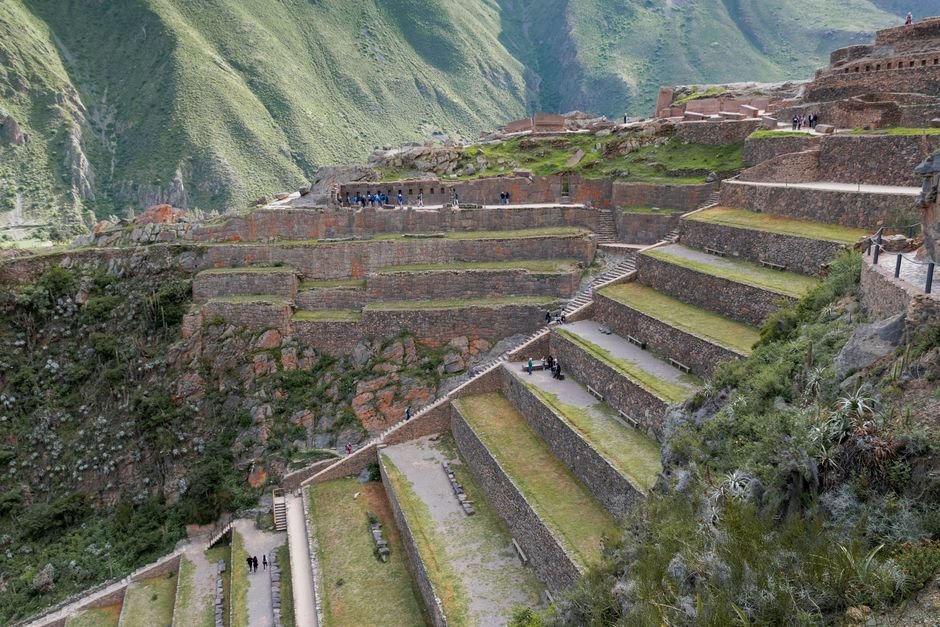
The Sacred Valley has a mix of archaeological sites, mountain scenery, and living Andean communities. Popular stops include Pisac, Ollantaytambo, and Chinchero. Rather than treating the valley as a quick day trip from Cusco, consider staying overnight to reduce driving and enjoy a less rushed visit.
Ask permission before photographing people, especially at markets and community events. Some sites require separate tickets or a visitor pass, so confirm what is included before booking a tour.
Tip 7 – Visit Machu Picchu with a plan

Machu Picchu is Peru’s best-known archaeological site, and visiting requires more planning than simply arriving at the gate. Entry tickets are for timed circuits, and transport to the site usually involves a train to Aguas Calientes followed by a bus or a hike. Check current ticket rules and availability through official channels before setting your travel dates.
Pack water, sun protection, and a light rain layer. Entry capacity and route rules can change, so avoid relying on old travel advice. The UNESCO page provides background on the site and its heritage status at UNESCO’s Machu Picchu listing.
Tip 8 – Explore Ollantaytambo’s living town
Ollantaytambo is more than a stop on the way to Machu Picchu. Its stone lanes, terraces, and hillside ruins make it worth a slow visit. The town also has cafés, guesthouses, and a train station, making it a practical base in the Sacred Valley.
Wear shoes with good grip because the old streets and steps can be uneven. If you have mobility needs, check access details in advance, since many historic areas have steep stairs and cobbled surfaces.
Tip 9 – Browse local markets respectfully
Markets in Cusco, Pisac, and other towns are lively places to see produce, textiles, and everyday goods. Go earlier in the day for more activity, and ask before taking close-up photos of vendors or their products. A friendly greeting in Spanish or Quechua can make an interaction warmer.
Compare prices before buying souvenirs, and remember that handmade work takes time. If you plan to buy textiles or crafts, carry small bills and pack fragile items carefully for the journey home.
Tip 10 – Taste Arequipa’s regional dishes

Arequipa is known for its white volcanic-stone architecture and distinctive food. Try rocoto relleno, chupe de camarones when in season, or a meal at a traditional picantería. These restaurants can serve generous portions, so ask about dish size if you are ordering several plates.
Visit the Santa Catalina Monastery for a look at the city’s colonial history, then take time to enjoy the central square and surrounding streets. Sun can be strong at this altitude, even when the air feels cool.
Tip 11 – Take in Colca Canyon at a comfortable pace
Colca Canyon is known for its deep valleys, traditional villages, and chances to see Andean condors. Tours commonly start early and involve long drives, so check how many hours you will spend in a vehicle before booking. If you are sensitive to altitude, ask about the route and overnight stops.
Walking routes vary in difficulty. Choose one that suits your fitness, and do not assume that a short distance means an easy hike. Bring sun protection, water, and layers for cold mornings and warm afternoons.
Tip 12 – See Lake Titicaca and learn about local life
Lake Titicaca is a high-altitude destination near Puno, known for its wide views and island communities. Boat trips may visit the Uros floating islands or continue to other islands, but experiences and visitor arrangements differ. Choose a responsible operator that explains where fees go and respects residents’ privacy.
Stay hydrated, dress warmly for early boat departures, and allow time to adjust to the altitude. If you are staying with a local family, ask your host about customs, meals, and what to bring.
Tip 13 – Plan an Amazon stay with a responsible lodge

Peru’s Amazon region offers a very different experience from the Andes. Travelers often use Puerto Maldonado or Iquitos as a starting point for guided rainforest stays. Choose an operator that follows wildlife-viewing rules, gives clear information about transfers, and avoids promises of guaranteed animal sightings.
Pack lightweight long sleeves, insect repellent, and waterproof bags. Ask your lodge what it provides before bringing extra gear, and check recommended health precautions with a qualified travel-health professional before departure.
Tip 14 – Explore Paracas and the Ballestas Islands
Paracas is a useful base for boat trips to the Ballestas Islands and visits to the coastal reserve. Wildlife sightings can include seabirds, sea lions, and penguins, but conditions vary. Boat trips may be cancelled or changed because of rough seas, so avoid booking a tight same-day connection afterward.
Bring a windproof layer and sun protection. If you are prone to seasickness, prepare before boarding and choose a seat that feels comfortable.
Tip 15 – Add Nazca if you have time for the journey
The Nazca Lines are large geoglyphs best known for their shapes viewed from above. Flights are weather-dependent and can feel uncomfortable for passengers who are sensitive to motion. Ask about aircraft safety, flight duration, and cancellation terms before paying.
There are also ground viewpoints and nearby archaeological sites, though they do not offer the same broad view of the figures. Nazca is a long way from many other stops, so include it only if it fits your route without making every travel day exhausting.
Tip 16 – Choose an Andean hike that matches your ability
Peru has hiking options for different fitness levels, from short walks near Cusco to multi-day routes in the Cordillera Blanca. Research elevation gain, overnight conditions, permits, and guide requirements before choosing a trek. Do not schedule a demanding hike immediately after arriving from sea level.
For longer walks, carry water, snacks, a warm layer, rain protection, and a basic first-aid kit. A reputable guide can help with route planning and local conditions, but you are still responsible for choosing a suitable pace.
Tip 17 – Make room for a family-friendly travel day
Families can enjoy Peru’s museums, plazas, short scenic walks, and market visits without booking an activity every hour. In Lima, choose one main neighborhood for the day. In Cusco and the Sacred Valley, plan frequent breaks and allow children time to adjust to altitude.
For more ideas for an easygoing family city break, see 20 Fun and Best fun things to do in provo. In Peru, check age and height limits before booking adventure activities, and keep snacks and water handy during long transfers.
Tip 18 – Use buses, trains, and flights strategically
Peru is large, and mountain roads can make overland journeys slow. Domestic flights can save time between distant regions, while buses are useful for routes with reliable operators and comfortable departure times. For Machu Picchu, train services are an important part of many visitors’ itineraries.
Compare total travel time, luggage rules, station locations, and transfer costs before booking. Keep a buffer between separate tickets, especially when connecting from a domestic flight to a train or long-distance bus.
Tip 19 – Travel with sensible safety habits
Keep your phone and valuables secure in crowded areas, use registered taxis or a trusted rideshare, and avoid displaying expensive items. At night, ask your accommodation about safe routes and transport options. In remote areas, follow local advice about road conditions, weather, demonstrations, and trail access.
Save your accommodation address offline and share your itinerary with someone you trust. Peru’s official travel advice can change, so review your own government’s current guidance before departure and during your trip.
Tip 20 – Pack for different climates and learn a few phrases
One Peru itinerary can include humid rainforest, chilly highlands, and mild coastal weather. Pack layers, comfortable walking shoes, sun protection, and a light rain jacket. Bring any prescription medicine in its original packaging and keep essential items in your carry-on.
Useful Spanish phrases include “¿Cuánto cuesta?” for “How much does it cost?”, “por favor” for “please,” and “gracias” for “thank you.” Quechua is also spoken in parts of the Andes, and a simple greeting learned locally is often appreciated.
Visa & Entry Requirements
Entry rules for Peru depend on the passport you travel on and the government policies in effect at the time of your trip. Some travelers may enter for short visits without arranging a visa in advance, while others may need a visa or other authorization. Do not assume that rules for one nationality apply to everyone in your group.
Before booking or departure, check Peru’s official immigration information and the Peruvian embassy or consulate responsible for your place of residence. The government’s National Superintendency of Migration is an official starting point. Confirm the permitted length of stay, whether an extension is possible, and what evidence you may be asked to show at the border. Final requirements can change, so verify them close to travel.
Check that your passport will remain valid for the period required by current Peruvian rules and by any airline or transit country on your route. Make sure you have enough blank pages for entry and exit stamps if required. If a visa or electronic travel authorization applies to your passport, use the relevant official government channel and allow time for processing.
Border officials or airlines may ask about return or onward travel, accommodation, or the purpose of your visit. Keep copies of bookings and travel insurance details accessible, but do not treat them as a substitute for required documents. Check whether your route or planned activities call for vaccinations or other health documentation. Health recommendations can depend on the areas you visit and your personal circumstances, so ask a qualified travel-health provider.
Peru has customs rules for items brought into the country, including restricted goods and limits on some products. Review current customs guidance before packing food, medicines, valuable equipment, or goods that may need to be declared. Entry, passport-validity, authorization, vaccination, customs, and length-of-stay rules can all change. This information is general trip-planning guidance, not legal advice or a guarantee of admission.
Best time to visit Peru
Peru’s climate varies widely by region. The Andes generally have a drier season from around May to September, which is popular for trekking and clear mountain views. The rainy season often falls during the warmer months, but weather patterns vary by location and year. Coastal Lima is often cloudy and cool during part of the year, while the Amazon is humid and rainy across seasons.
June to August is a busy travel period, especially around Cusco and Machu Picchu. Book transport, accommodation, and major attractions well ahead for peak dates. Shoulder-season travel can feel quieter, but check local weather and site access before finalizing a route.
Practical planning tips for Peru
- Build in acclimatization time: Take an easier first day in Cusco, Puno, or another high-altitude destination.
- Book key experiences early: Secure Machu Picchu entry and connected train travel before arranging a tight itinerary around them.
- Carry small cash: Keep some Peruvian soles for markets, small purchases, and places that do not accept cards.
- Keep offline copies: Save hotel details, tickets, and maps in case mobile coverage is limited.
- Check transport details: Confirm departure terminals, baggage limits, and transfer times with the operator.
- Prepare for changing weather: Coastal fog, mountain sun, rain, and cold evenings can all occur on one trip.
Common tourist mistakes to avoid in Peru
The most common mistake is trying to fit too many regions into a short trip. Peru’s distances, mountain roads, and altitude make travel slower than a map may suggest. Choose fewer bases and allow some unplanned time for rest, weather changes, or transport delays.
Another frequent mistake is treating Machu Picchu as a last-minute stop. Entry arrangements are structured, and train seats and accommodation can also be limited during busy periods. Confirm the full route before you commit to flights or other fixed bookings.
Finally, do not assume that altitude sickness is only a concern for hikers. It can affect visitors during ordinary sightseeing too. Take symptoms seriously, rest, and seek medical advice if you feel unwell.
Frequently asked questions about the best things to do in peru
How many days do you need to see Peru?
A week can cover Lima, Cusco, the Sacred Valley, and Machu Picchu at a fairly brisk pace. Two weeks or more gives you room to add Arequipa, Lake Titicaca, or another region without rushing every transfer. The best things to do in peru are easier to enjoy when you leave time for altitude adjustment and rest.
What are the best things to do in peru for first-time visitors?
Many first-time visitors combine Lima’s historic center and food scene with Cusco, the Sacred Valley, and Machu Picchu. If you have more time, add a region that matches your interests, such as Arequipa for architecture and cuisine or Paracas for coastal wildlife.
Is Peru suitable for a family trip?
Yes, families can visit museums, markets, historic areas, and scenic sites, but travel days and altitude need planning. Pick a manageable number of stops, check activity restrictions for children, and build in regular breaks.
Do I need to book Machu Picchu in advance?
It is wise to arrange entry and transport ahead, especially during busy travel periods. Ticket types, circuits, and availability can change, so consult current official information before booking flights or building a strict schedule around your visit.
Is it safe to travel around Peru?
Many visitors travel around Peru without major problems, but use ordinary precautions and stay informed about local conditions. Keep valuables secure, use trusted transport, and check current travel guidance from your government. Remote hikes and high-altitude trips require additional preparation.
What should I pack for a trip to Peru?
Pack comfortable walking shoes, layers, sun protection, a rain layer, and any personal medication you need. Your exact list depends on the regions you visit, since Lima, the Andes, and the Amazon have different weather and conditions.
Conclusion: plan the best things to do in peru at your own pace
Peru rewards travelers who balance famous landmarks with time to experience local neighborhoods, regional food, and changing landscapes. Lima, Cusco, the Sacred Valley, and Machu Picchu make a strong first route, while the coast, highlands, and Amazon offer very different additions.
Keep the itinerary realistic, check entry and attraction requirements with official sources, and plan for long journeys and altitude. With thoughtful preparation, the best things to do in peru can fit a trip that feels memorable without feeling rushed.
