
Key Takeaways
- Explore Great Smoky Mountains National Park for hikes, wildlife, and scenic drives
- Enjoy live music and cultural sites in Nashville, Memphis, and Chattanooga
- Use a rental car to reach outdoor attractions and plan regional itineraries
- Pack for variable weather and check seasonal closures before traveling
things to do in tennesse range from hiking in the Smoky Mountains to hearing live music in Nashville and Memphis. Tennessee is a large, varied state in the United States, so the best trip depends on whether you want mountain scenery, music history, outdoor adventures, or a mix of all three.
There is no single city that represents the whole state. Nashville, Memphis, Chattanooga, Knoxville, and the mountain towns each have their own character, and distances between them can be longer than they look on a map. Plan around one or two regions if you have only a few days.
This guide covers memorable attractions, food, transport, seasonal advice, and practical details for first-time visitors. If you are choosing things to do in tennesse, start with the experiences that matter most to you, then leave room for scenic stops and relaxed local meals.
20 Things to Do in Tennesse: A Practical Guide
Tip 1 – Explore Great Smoky Mountains National Park
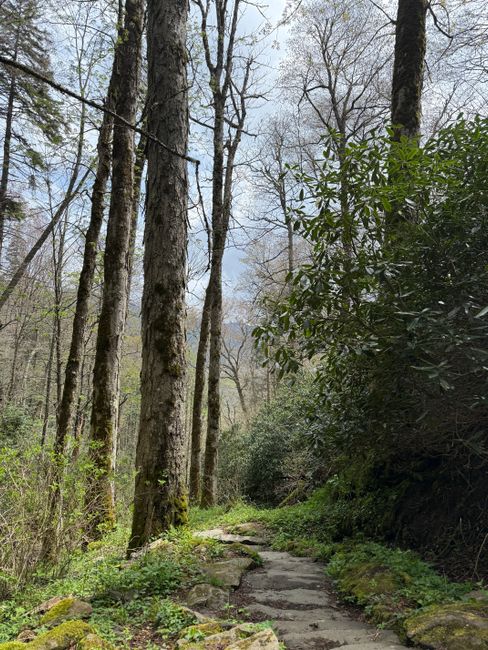
Great Smoky Mountains National Park is one of Tennessee’s biggest draws. Walk a short forest trail, look for wildlife, or take a scenic drive through the mountains. Popular areas include Cades Cove and the Roaring Fork Motor Nature Trail, though traffic and parking can be busy at peak times.
Check the National Park Service information for Great Smoky Mountains National Park before setting out. Road closures, weather, trail conditions, and parking rules can change. Bring water, layers, and a paper or offline map, since mobile coverage is unreliable in some areas.
Tip 2 – Spend time in Nashville’s music districts
Nashville is the state’s best-known music destination. Catch live performances around Lower Broadway, visit the Country Music Hall of Fame, or explore the historic Ryman Auditorium. Broadway’s bars are lively and often loud, so families or visitors seeking a quieter evening may prefer a show at a concert hall or a smaller venue elsewhere in town.
Tickets for popular performances and museum visits can sell out, especially on weekends. Compare prices and check age restrictions before booking. To get a broader view of the state’s attractions and trip ideas, use the official Tennessee tourism website.
Tip 3 – Discover Memphis music and civil rights history
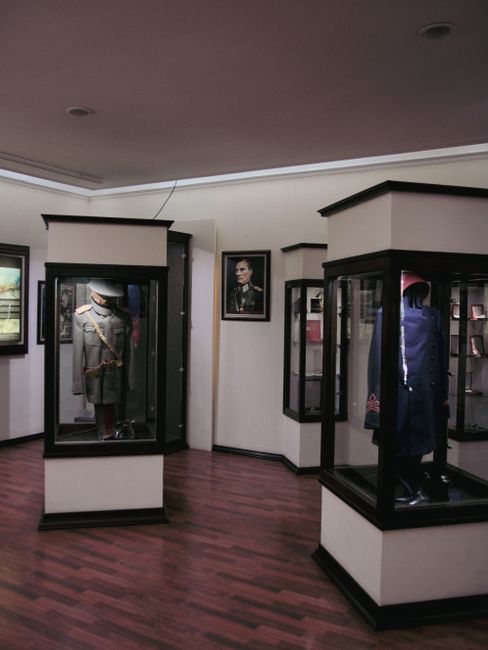
Memphis has a deep musical history, from blues and soul to rock ’n’ roll. Beale Street is a natural stop for live music, while Sun Studio and the Stax Museum of American Soul Music offer more focused visits. The National Civil Rights Museum is an important, moving place to learn about the civil rights movement and the events surrounding the assassination of Dr. Martin Luther King Jr.
Give the museum time and check its current hours and admission details before you go. Beale Street is busiest in the evening; visit earlier if you want to see the area without the late-night crowds.
Tip 4 – Take in the views and attractions in Chattanooga
Chattanooga combines a walkable riverfront with outdoor activities and family attractions. The Tennessee Aquarium is a popular indoor stop, while Lookout Mountain has viewpoints and paid attractions such as Rock City. The Incline Railway is another option, but check schedules and ticket availability before making it part of a tight itinerary.
Allow extra time for the mountain area, particularly on weekends. If you prefer a slower day, walk part of the Tennessee Riverwalk and stop for lunch near the waterfront.
Tip 5 – Visit Knoxville’s historic downtown and Market Square
Knoxville makes a good base for exploring East Tennessee. Market Square has restaurants, shops, and occasional public events, while the nearby Old City offers historic buildings and nightlife. The city also works well as a stop between the Smokies and other parts of the state.
Look at the local event calendar before you visit. A festival or university event can add energy to downtown, but it may also make parking and accommodation harder to find.
Tip 6 – Choose a mountain town for a Smokies base
Gatlinburg, Pigeon Forge, and Sevierville are common bases for visiting the national park. Gatlinburg is close to park entrances and has many walkable attractions, while Pigeon Forge is known for family entertainment, dinner shows, and Dollywood. Sevierville can offer a quieter or more budget-friendly stay, depending on the season.
These towns are popular and can feel crowded, especially during school holidays and fall foliage season. Compare lodging locations carefully, and consider how often you want to drive between your accommodation, the park, and restaurants.
Tip 7 – Set aside a day for Dollywood

Dollywood in Pigeon Forge is a theme park with rides, live entertainment, crafts, and food. It is a strong choice for families and visitors who want a full day of activities, but it is not a quick stop. Check the park calendar, opening hours, ride information, and ticket options before you travel.
Arrive early on busy days and wear comfortable shoes. Some rides and outdoor shows are affected by weather, so keep a flexible plan if rain is forecast.
Tip 8 – Follow a Tennessee whiskey or food trail
Tennessee is known for whiskey, barbecue, biscuits, and Southern comfort food. Distilleries around Lynchburg and other parts of the state offer tours and tastings, while Nashville and Memphis have their own styles of barbecue. Many tastings require advance reservations, and visitors should plan a safe ride rather than drive after drinking.
Not every distillery is close to a major city, so check travel times before booking. If you do not drink alcohol, look for food tours, barbecue restaurants, local markets, or a distillery tour that focuses on production rather than tasting.
Tip 9 – Find quieter outdoor escapes beyond the Smokies
The state has many other outdoor options, including waterfalls, lakes, caves, and walking trails. Fall Creek Falls State Park is known for its waterfall and hiking, while other state parks offer camping, fishing, and scenic overlooks. Conditions and facilities vary, so confirm what is open before driving out.
Use the Tennessee State Parks website to check park details and plan activities. Do not assume every trail is an easy walk. Read the distance and elevation information, wear suitable shoes, and carry drinking water.
Tip 10 – See the state from the water

Rivers and lakes add another side to a Tennessee trip. Depending on the area and season, you can book a boat cruise, rent a kayak, fish, or relax beside the water. Chattanooga’s riverfront is a convenient place to combine a waterside walk with downtown sightseeing.
Check weather, water conditions, and operator safety information before booking. Wear a properly fitted life jacket when required, and remember that summer storms can change plans quickly.
Tip 11 – Mix music with local neighborhoods
Beyond Nashville’s Lower Broadway, neighborhoods such as East Nashville and the Gulch offer restaurants, shops, and different styles of nightlife. In Memphis, explore areas beyond Beale Street for independent food spots and local venues. A neighborhood visit can make the trip feel less like a checklist of major attractions.
Research how you will get back to your accommodation before staying out late. Some districts are easier to reach by rideshare or taxi than by public transit, and walking distances can be longer than they appear.
Tip 12 – Make time for Tennessee’s food traditions
Try regional barbecue, hot chicken in Nashville, biscuits, and seasonal Southern dishes. Restaurant styles differ across the state, and the most popular places can have long waits at dinner. Lunch may be a simpler time to visit, especially if you are travelling with children.
Ask about spice levels and portion sizes if you are unfamiliar with the menu. If you have dietary needs, contact a restaurant ahead of time rather than assuming every location can accommodate them.
Tip 13 – Add a scenic drive, but keep the schedule realistic

Tennessee has attractive drives through mountain, forest, and rural landscapes. A scenic route can be a highlight, but it may take longer than a highway journey and include winding roads. Avoid planning a long drive after a full day of sightseeing, and check for seasonal closures or construction.
Use navigation for route planning, but download maps for areas with weak service. Take breaks, keep fuel in the tank in rural areas, and never stop in unsafe roadside locations just to take a photograph.
Tip 14 – Choose the right season for your plans
Spring and fall are comfortable seasons for many outdoor activities. Fall colors draw large crowds to the Smokies, while summer is lively but can be hot, humid, and busy. Winter can bring lower crowds in some places, but mountain weather may affect roads and trail access.
Check local forecasts close to your travel dates and pack for changing conditions. If you are visiting during a major event or peak foliage period, reserve accommodation early and expect slower traffic.
Tip 15 – Get around with a realistic transport plan
A rental car is useful for seeing several regions, visiting rural attractions, and reaching many state parks. Nashville, Memphis, Knoxville, and Chattanooga have local transport options, but service coverage and frequency vary. Check the specific route and schedule before relying on transit for a timed activity.
For a city-based trip, compare the cost of a rental car with parking, fuel, and rideshares. If you are flying into Nashville, check current ground transport information through the Nashville International Airport website. For an Illinois extension, this guide to fun things to do in Springfield, Illinois may help you plan an additional Midwest stop.
Tip 16 – Book popular attractions and accommodation ahead
Reserve lodging early for summer, fall foliage season, holiday weekends, and major music events. Popular concerts, distillery tours, and theme park visits may also require advance tickets. Booking ahead gives you more choice, though flexible travellers may find better availability outside peak dates.
Check cancellation terms, parking arrangements, and the distance from your accommodation to the attractions you want to visit. In mountain areas, confirm whether a property is on a steep or narrow road before choosing it.
Tip 17 – Plan affordable days as well as paid attractions
Not every memorable activity needs a ticket. Walk a city greenway, visit a public square, explore a neighborhood, or spend time at a scenic overlook. In the Smokies, many popular activities are outdoors, but check current park rules and fees before visiting.
Set a daily budget for parking, meals, admission, and transport. Paid attractions can add up quickly for families, so choose a few priorities and balance them with free or lower-cost stops.
Tip 18 – Keep safety in mind on roads and trails
Use seat belts, follow speed limits, and avoid driving when tired. Mountain roads may be narrow, steep, or affected by fog and rain. On trails, stay on marked paths, check conditions, and keep a safe distance from wildlife. Do not feed animals or leave food unattended in areas where wildlife may be present.
For emergencies in the United States, call 911. Save your accommodation address and keep a charged phone, but do not depend on a signal in remote areas. Share your route with someone if you are hiking away from busy trailheads.
Tip 19 – Use helpful apps and learn a few local phrases
Download a map for offline use and keep airline, accommodation, ticket, and transport details easy to find. Weather apps are useful for outdoor plans, but park and attraction websites are better for official closures and current operating information.
English is the main language used across Tennessee. Simple phrases such as “Could you recommend a local place to eat?” and “Is this trail open today?” are useful anywhere. A friendly greeting and a polite “please” and “thank you” go a long way.
Tip 20 – Pack for changing weather and avoid the common planning mistake
Bring comfortable walking shoes, a light rain layer, sun protection, and clothes that can be layered. For hikes, pack water and a small first-aid kit. In summer, prepare for heat and humidity; in the mountains, conditions can be cooler than in nearby cities.
The most common mistake is treating Tennessee as a small destination and trying to combine Nashville, Memphis, and the Smokies in a few days. Distances, traffic, and mountain roads take time. Choose a region or allow enough nights for each major stop.
Visa & Entry Requirements
Tennessee is in the United States, and entry rules are set at the national level. Visa, passport-validity, electronic travel authorization, vaccination, customs, and permitted length-of-stay rules depend on your passport, travel purpose, and current U.S. government policy. Rules may differ even for travellers visiting the same destination, so do not rely on another person’s experience as confirmation of your own requirements.
Before booking or travelling, check the U.S. Department of State’s official visa information and the U.S. Customs and Border Protection website. Travellers who may qualify to travel under the Visa Waiver Program should confirm whether they need an approved Electronic System for Travel Authorization (ESTA) and review current eligibility. An authorization is not the same as a visa, and neither should be treated as a guarantee of admission.
Check your passport’s expiry date, condition, and available blank pages. Passport-validity requirements can depend on the traveller’s nationality and applicable exceptions. Confirm whether you need a visa or electronic authorization, and whether you should carry proof of return or onward travel, accommodation details, or evidence that you can cover your trip. Keep travel insurance information accessible; insurance is a practical safeguard, though it does not replace entry documents.
Review current rules for medicines, food, agricultural products, cash declarations, and other items you plan to bring. Customs declarations and restrictions depend on what you are carrying and the rules in force when you arrive. Vaccination or health documentation requirements can also change, so check official guidance close to departure rather than relying on old advice.
Use the official U.S. government, embassy, or consular information that applies to your passport and travel circumstances for the final requirements. This general information is not legal advice and cannot confirm that you will be allowed to enter or stay for a particular period.
Frequently Asked Questions
What are the best things to do in tennesse for a first visit?
For a first trip, choose a few highlights rather than crossing the whole state. Nashville’s music attractions, Memphis’s music and civil rights history, and Great Smoky Mountains National Park are popular choices. Add Chattanooga or a mountain town if you have more time.
How many days should I spend in Tennessee?
Three or four days can work for one city or one main region. A week allows more time for a city plus the Smokies or another nearby area. Travelling between Nashville, Memphis, and East Tennessee can take several hours, so leave space for driving.
Do I need a car to visit Tennessee?
You can explore some attractions in the larger cities without a car, but a rental car is helpful for parks, small towns, and multi-region trips. Check transit routes and schedules for your exact plans before deciding.
What is the best time of year to visit Tennessee?
Spring and fall are popular for comfortable weather and outdoor activities. Fall foliage is especially appealing in the Smokies, but it is also a busy period. Summer brings long days and many events, along with heat, humidity, and crowds.
Is Tennessee suitable for a family trip?
Yes. Families can choose from the aquarium in Chattanooga, theme park attractions in Pigeon Forge, city museums, music experiences, and easy outdoor walks. Check age guidance, accessibility, and opening hours before buying tickets.
What should I not miss in Tennessee?
Choose at least one experience that reflects your interests, such as live music in Nashville, the National Civil Rights Museum in Memphis, a Smokies hike, or a day at Dollywood. Trying a local food specialty is another easy way to make the trip feel distinctive.
Conclusion
The best things to do in tennesse depend on how you want to spend your time. Music lovers can build a route around Nashville and Memphis, while outdoor travellers may prefer the Smokies, state parks, and scenic drives. Families have plenty of options around Chattanooga and Pigeon Forge.
Plan by region, check official sources for changing hours and conditions, and book busy attractions ahead when needed. With a realistic schedule and a little flexibility, Tennessee can offer a rewarding mix of live music, local food, history, and mountain scenery.
