
Why Italy Captivates Every Traveler
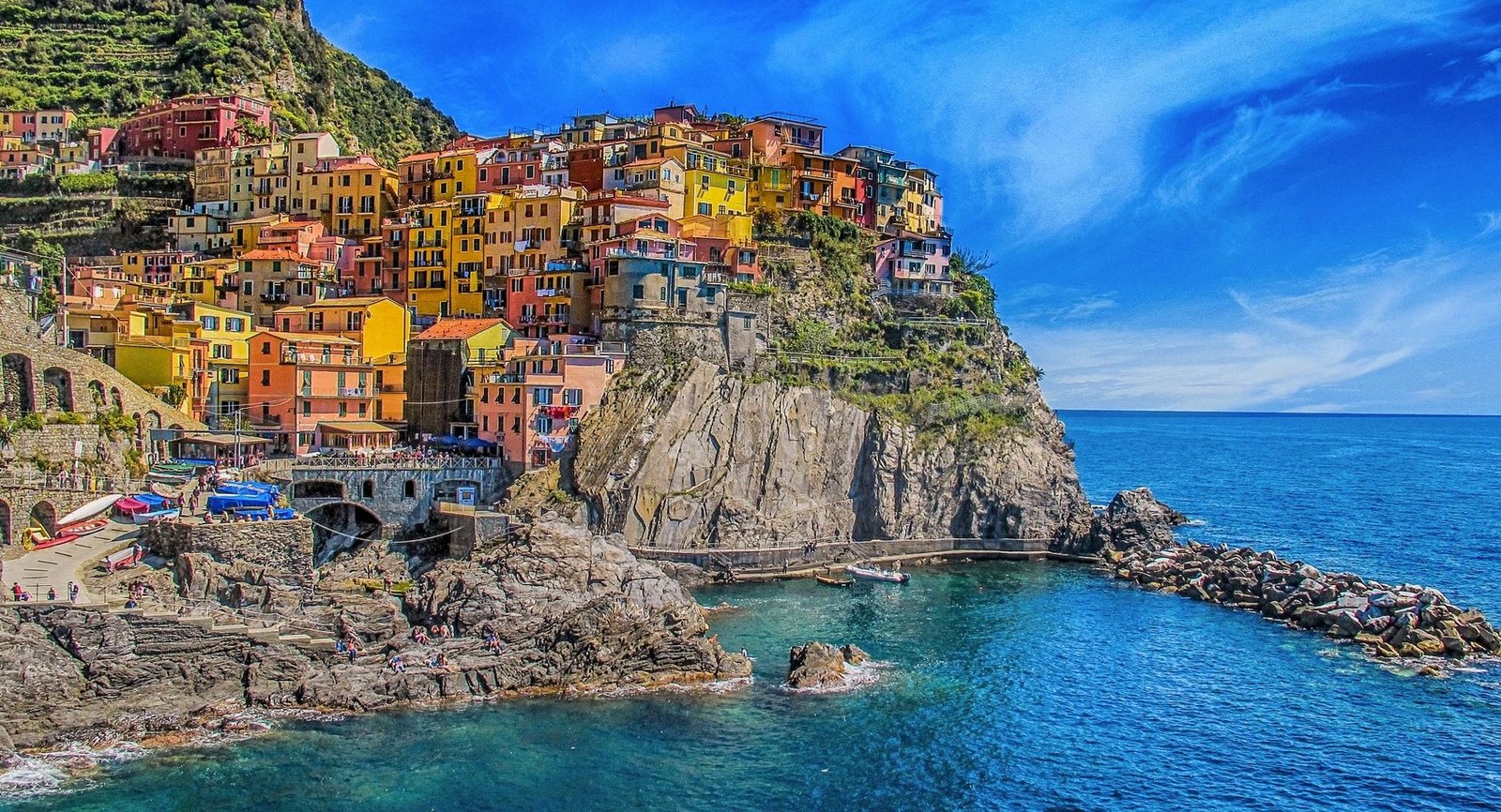
Italy is more than a destination; it is a living museum where every stone, street, and plate tells a story. From the marble grandeur of ancient Rome to the pastel‑hued villages perched on the cliffs of the Amalfi Coast, the country offers a kaleidoscope of experiences that appeal to history buffs, food lovers, outdoor enthusiasts, and art admirers alike. The Italian landscape is a patchwork of mountains, rolling vineyards, sun‑kissed beaches, and bustling metropolises, each region preserving its own dialect, traditions, and culinary identity. This diversity means that a single trip can encompass a Renaissance art tour, a culinary pilgrimage, a wine‑tasting adventure, and a hike through the Alps—all without leaving the nation’s borders.
When to Visit: Seasons and Regional Climate
Italy’s climate varies dramatically from north to south, so timing your trip depends on the experiences you prioritize. The spring months of April and May bring mild temperatures and blooming gardens across the peninsula, making it an ideal time for city sightseeing and countryside walks. Summer, especially July and August, can be hot and crowded in major tourist hubs such as Rome, Florence, and Venice, yet it is the perfect season for enjoying the Mediterranean beaches and island life on Sardinia or Sicily. Autumn, from September to October, offers a pleasant climate, harvest festivals, and the chance to taste fresh truffles and new wine. Winter is low season in the south, providing a quieter urban experience, while the Alpine regions become a winter sports playground with reliable snowfall.
Getting Around: From High‑Speed Trains to Local Buses
Italy’s transportation network is both extensive and efficient, allowing travelers to move smoothly between regions. The high‑speed rail lines—Frecciarossa, Frecciargento, and Italo—connect major cities like Rome, Milan, Florence, and Naples in under three hours, offering comfortable seating, Wi‑Fi, and frequent departures. For destinations off the main rail corridor, regional trains and intercity services provide reliable connections to smaller towns and coastal resorts. In urban centers, public buses and metro systems are affordable ways to navigate city centers, while historic trams add charm in places like Milan and Turin. Car rentals become advantageous when exploring rural Tuscany, the Dolomites, or the winding coastal roads of the Amalfi Coast, where public transport is limited.
Top Must‑See Attractions Across the Peninsula
While Italy’s allure lies in its endless hidden gems, there are several iconic sites that form the backbone of any itinerary. These landmarks capture the nation’s artistic, religious, and engineering achievements.
- The Colosseum and Roman Forum – Rome’s ancient heart, where gladiatorial battles once echoed.
- The Duomo di Firenze – Brunelleschi’s dome dominates the Florentine skyline, a masterpiece of Renaissance engineering.
- St. Mark’s Basilica and the Grand Canal – Venice’s shimmering waterways and Byzantine mosaics.
- The Leaning Tower of Pisa – a medieval bell tower whose famous tilt draws crowds from around the world.
- The Vatican Museums and St. Peter’s Basilica – the spiritual and artistic epicenter of Catholicism.
- The Amalfi Coast’s cliff‑side towns – Positano, Amalfi, and Ravello offer breathtaking sea views and pastel architecture.
- The Dolomites – dramatic limestone peaks that invite hikers, climbers, and skiers.
Iconic Cities and Their Neighborhoods
Each Italian city is a mosaic of distinct neighborhoods, each offering its own flavor and rhythm. In Rome, the historic center (Centro Storico) is home to ancient ruins, while Trastevere, across the Tiber, exudes bohemian charm with narrow cobblestone lanes and lively piazzas. Florence’s Oltrarno district, situated on the opposite bank of the Arno River, boasts artisan workshops and quieter streets compared to the tourist‑dense Duomo area. Venice’s Cannaregio provides a more authentic Venetian experience away from the bustling Rialto market, and the island of Murano is famed for its glassmaking tradition. Milan’s Navigli canals, once industrial, now host trendy bars and art galleries, while the Brera district remains a cultural hub with its Pinacoteca and leafy streets. Naples’ historic center, a UNESCO World Heritage site, offers a labyrinth of alleys where street food, churches, and baroque architecture coexist.
Culinary Adventures: Regional Dishes and Food Markets
Italian cuisine is profoundly regional, reflecting the geography, climate, and history of each area. In the north, butter‑based dishes such as risotto alla Milanese and the creamy pasta of Lombardy dominate, while the Alpine valleys favor polenta and hearty stews. Central Italy is the birthplace of the iconic tomato‑based sauces, with Tuscany offering bistecca alla Fiorentina (a thick, grilled steak) and Siena’s pici pasta. The south embraces bold flavors: Naples gives us the world‑renowned Neapolitan pizza, Calabria showcases fiery peperoncino, and Sicily delights with citrus‑infused sweets and arancini (fried rice balls). Visiting local markets provides an authentic taste of everyday Italian life—Mercato Centrale in Florence, Campo de’ Fiori in Rome, and the bustling fish market of Pescheria in Venice are excellent starting points. Don’t miss the chance to sample regional cheeses, cured meats, and fresh olive oil directly from producers.
Art, History, and Culture Highlights
Italy’s contribution to art and culture is immeasurable. The Uffizi Gallery in Florence houses works by Botticelli, Michelangelo, and Leonardo da Vinci, offering a deep dive into Renaissance brilliance. Rome’s Capitoline Museums display ancient Roman statues and Renaissance masterpieces side by side. In Venice, the Peggy Guggenheim Collection showcases modern art in a palazzo overlooking the Grand Canal. For a glimpse of contemporary Italian creativity, head to the MAXXI museum in Rome or the Triennale di Milano, where architecture, design, and visual arts intersect. Historical sites extend beyond monuments; the underground catacombs of Rome, the Etruscan necropolises of Cerveteri, and the ancient Greek temples of Paestum illustrate the layers of civilization that have shaped the Italian identity.
Outdoor Experiences: From Alpine Trails to the Amalfi Coast
Italy’s natural scenery invites active exploration. The Dolomites, recognized as a UNESCO World Heritage site, offer a network of marked trails ranging from leisurely walks to challenging via ferrata routes that cling to sheer cliffs. Lake Garda, Italy’s largest lake, provides sailing, windsurfing, and cycling paths that wind along its emerald shoreline. On the opposite coast, the Cinque Terre’s five colorful villages are linked by scenic hiking trails that overlook the Ligurian Sea, while the Path of the Gods (Sentiero degli Dei) on the Amalfi Coast offers panoramic views of cliffs and azure waters. For a more relaxed outdoor experience, the Tuscan countryside presents rolling hills dotted with vineyards, olive groves, and medieval hill towns that are perfect for cycling tours and wine tastings.
Day Trips and Lesser‑Known Gems
While the major attractions dominate itineraries, a handful of day trips can enrich your Italian adventure with unique experiences away from the crowds.
- From Florence, a short train ride to Siena allows you to explore the historic Piazza del Campo and the magnificent Siena Cathedral.
- From Rome, the ancient ruins of Ostia Antica provide a well‑preserved glimpse of life in a Roman port city, accessible via a commuter train.
- From Venice, a vaporetto (water bus) trip to the islands of Burano and Torcello showcases vibrant fishermen’s houses and Byzantine mosaics.
- From Naples, the volcanic landscape of Mount Vesuvius and the well‑preserved Roman town of Herculaneum offer a dramatic contrast to the bustling city.
- From Milan, the lakeside town of Como presents a romantic setting with a funicular ride to Brunate for sweeping views of the lake and surrounding Alps.
These excursions can often be completed in a single day, allowing you to sample a variety of Italian environments without the need for extensive travel.
Budget Tips: Stretching Your Euro
Traveling in Italy does not have to break the bank. Here are practical ways to enjoy the country while keeping costs reasonable:
- Choose accommodation in family‑run guesthouses (affittacamere) or agriturismi in the countryside, which often include homemade breakfasts.
- Take advantage of the extensive train network by purchasing regional passes or booking tickets in advance to secure lower fares.
- Eat like a local by visiting trattorias away from tourist hotspots, sharing antipasto plates, and savoring street food such as supplì in Rome or focaccia in Liguria.
- Utilize free entry days at major museums—many Italian museums offer complimentary admission on the first Sunday of each month.
- Carry a refillable water bottle; public drinking fountains (nasoni) are abundant in cities and provide fresh, filtered water at no cost.
By blending a few cost‑saving habits with occasional splurges—perhaps a night at a vineyard or a cooking class—you can enjoy a balanced, memorable journey.
Practical Logistics: Visas, Health, and Connectivity
For most travelers from the United States, Canada, the European Union, and many other countries, Italy is part of the Schengen Area, allowing short stays of up to 90 days without a visa. Citizens of countries outside the Schengen zone should verify entry requirements well in advance, as visa applications may require proof of accommodation, travel insurance, and financial means. Health care in Italy follows the European standard; travelers are advised to carry a European Health Insurance Card (EHIC) or its equivalent, and to have travel insurance that covers medical emergencies. Pharmacies (farmacie) are plentiful, clearly marked with a green cross, and can dispense over‑the‑counter medications in English if needed. For connectivity, most cafés, hotels, and public spaces provide free Wi‑Fi; purchasing a prepaid SIM card from providers such as TIM or Vodafone at the airport or a local shop offers reliable mobile data for navigation and translation apps.
Travel Etiquette and Local Customs
Respecting Italian customs enhances both your experience and the goodwill of locals. A simple “Buongiorno” (good morning) or “Buonasera” (good evening) when entering shops or restaurants is appreciated. Dress modestly when visiting churches—shoulders and knees should be covered, and hats are typically removed. Tipping is not obligatory, as a service charge is often included in the bill, but rounding up or leaving a small amount for exceptional service is common. Dining is a leisurely affair; expect meals to be longer than in some other cultures, especially dinner, which often starts after 8 pm. When paying by credit card, be aware that many smaller establishments prefer cash, so carrying some euros is advisable. Finally, avoid loud conversations on public transport, as Italians value a calm atmosphere during travel.
Final Thoughts: Crafting Your Italian Itinerary
Italy’s allure lies in its ability to offer countless pathways—whether you’re drawn to the marble corridors of ancient empires, the rolling vineyards of Tuscany, the sun‑drenched coasts of Calabria, or the snow‑capped peaks of the Alps. When planning your trip, consider a blend of iconic sites and off‑the‑beaten‑path experiences to capture the full spectrum of what the country provides. Allocate time for spontaneous exploration: linger in a small piazza, chat with a local vendor, or take an unplanned detour to a hidden hill town. By balancing structured sightseeing with flexible moments, you’ll discover that the true magic of Italy is not just in its landmarks, but in the everyday rhythms, flavors, and warm hospitality that greet you around every corner.
