
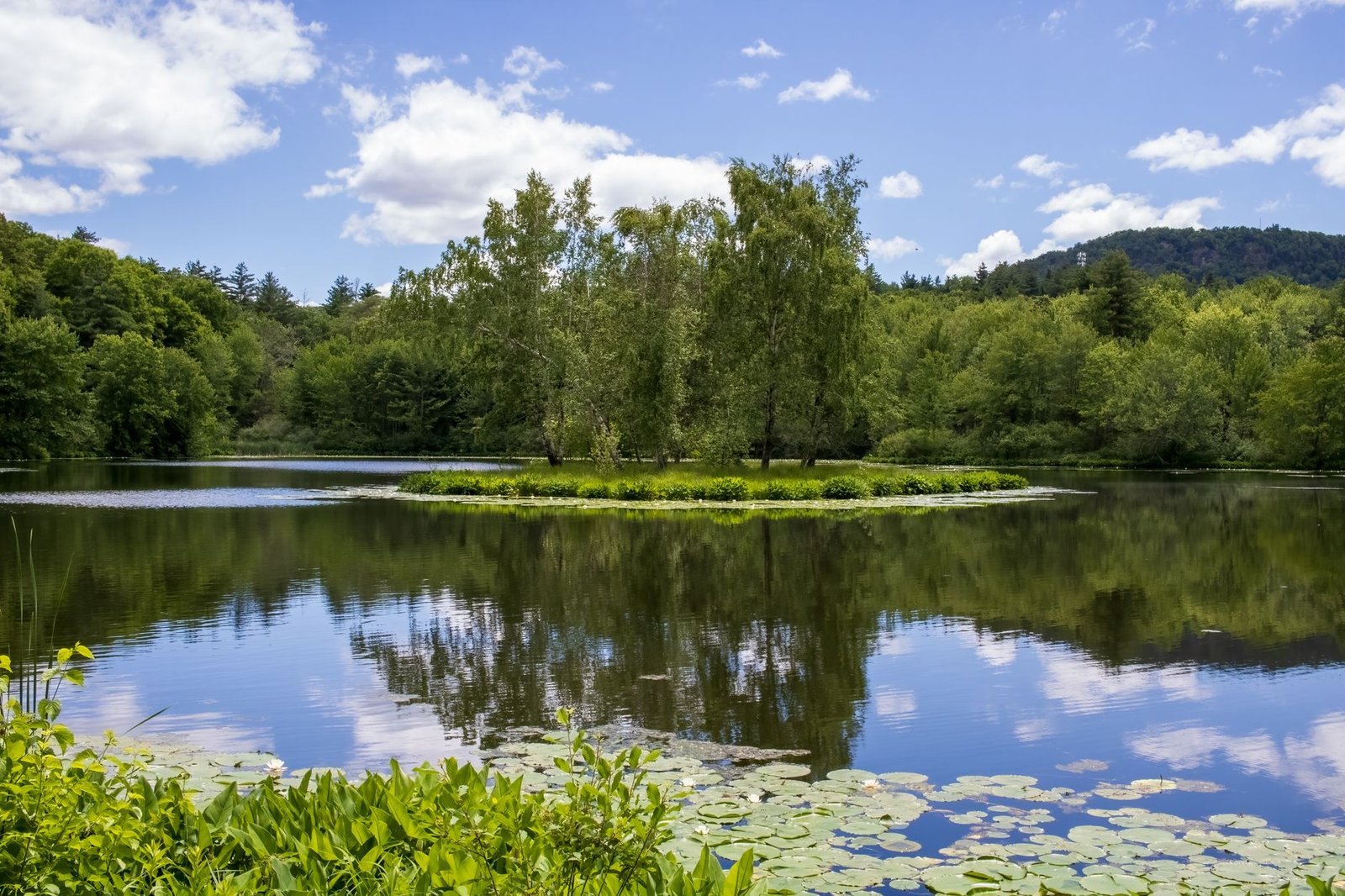
Why Amherst? A Small Town with a Big Personality
Amherst, Massachusetts, may not appear on the typical tourist radar like Boston or Cape Cod, but it offers a unique blend of intellectual vigor, artistic flair, and natural beauty that makes it a rewarding destination for curious travelers. Nestled in the Pioneer Valley of Western Massachusetts, Amherst is home to three renowned colleges—Amherst College, the University of Massachusetts Amherst, and Hampshire College—creating a vibrant, youthful atmosphere that spills onto its streets, parks, and local businesses. The town’s historic roots stretch back to the 17th century, and its commitment to cultural programming, community farming, and outdoor recreation ensures there is always something to discover, whether you’re a first‑time visitor or returning for a season.
Top Cultural Attractions: History, Literature, and Community
Amherst’s cultural scene is anchored by several institutions that celebrate its literary heritage and local history. The most iconic of these is the Emily Dickinson Museum, comprising the poet’s childhood home (the Homestead) and her brother’s house (the Evergreens). The museums preserve Dickinson’s handwritten manuscripts, personal objects, and the tranquil garden that inspired many of her poems. Guided tours, often led by knowledgeable docents, provide insight into the reclusive poet’s daily life and the broader context of 19th‑century New England.
Just a short walk away, the Amherst Historical Society operates the Amherst Historical Museum, housed in a restored 19th‑century building. Exhibits cover the town’s agricultural beginnings, its role in the abolitionist movement, and the evolution of its educational institutions. The Society also curates a rotating schedule of talks, genealogy workshops, and walking tours that let visitors step directly into Amherst’s past.
For those who enjoy a blend of contemporary art and children’s literature, the Eric Carle Museum of Picture Book Art is a must‑see. Founded by the beloved author of “The Very Hungry Caterpillar,” the museum showcases original artwork from picture‑book creators worldwide. Interactive galleries and a family‑friendly sculpture garden make it an engaging experience for all ages.
Exploring the Campuses: Amherst College & UMass Amherst
The two major campuses dominate the town’s skyline and are open to visitors, offering a glimpse into the academic life that fuels Amherst’s energy. Amherst College’s 90‑acre grounds feature Georgian‑style architecture, a meticulously maintained arboretum, and the Frost Music Center, which hosts free summer concerts in an outdoor amphitheater. A self‑guided walking map, available at the campus visitor center, points out the historic Littlefield Hall, the President’s House, and the serene “College Green” where students gather for study and recreation.
Just to the north, the University of Massachusetts Amherst campus spreads across 1,400 acres, blending modern facilities with expansive natural spaces. Highlights include the Mountainside Trail, a 2‑mile path that winds through woods and offers views of the Holyoke Range, and the UMass Museum of Art, which presents a rotating collection of contemporary and historical works. The campus also houses the Fine Arts Center, where you can often catch a student‑produced play or dance performance without an admission fee.
Both campuses provide visitor parking in designated lots; however, most attractions within walking distance of downtown Amherst are easily accessed on foot or by bike, making the town particularly friendly for pedestrians.
Museums and Art Spaces: From Picture Books to Contemporary Collections
In addition to the Eric Carle Museum, Amherst’s art scene flourishes in smaller galleries and community spaces. The Amherst College Museum of Natural History offers a modest but thoughtfully curated collection of taxidermy, fossils, and geological specimens, illustrating the region’s natural history and providing an educational resource for school groups.
The Five College Museums / Libraries Consortium coordinates exhibitions across the four neighboring colleges (Amherst, Smith, Mount Holyoke, and Hampshire). This collaborative approach means you’ll often find traveling exhibitions—ranging from Impressionist paintings to Indigenous artifacts—rotating through Amherst’s galleries throughout the year.
For a more experimental experience, check the schedule at the Hampshire College Arts Center. The Center showcases student‑led installations, avant‑garde performances, and film screenings, offering a window into the creative processes of emerging artists.
Outdoor Adventures: The Holyoke Range and Beyond
The natural landscape surrounding Amherst is a playground for hikers, cyclists, and nature lovers. The Holyoke Range, part of the larger Metacomet Ridge, rises sharply just a few miles west of town. Trails such as the Mount Holyoke Summit Trail and the Shutesbury Trail provide varying levels of difficulty, with rewarding vistas of the Connecticut River Valley. In spring, the range is dotted with wildflowers, while autumn brings a spectacular display of foliage.
For a more relaxed outdoor experience, head to Amherst Common, a centrally located green space that hosts concerts, farmer’s markets, and seasonal festivals. The adjacent Amherst Greenway is a paved multi‑use path that connects the town’s neighborhoods and offers a safe route for walkers and cyclists.
Families with young children often enjoy a visit to Kids’ Corner Playground, which features modern equipment and a nearby splash pad that opens during the summer months. The playground’s proximity to the Common makes it an easy stop while exploring downtown.
Food and Drink: Sampling Local Flavors
Amherst’s culinary scene reflects its college town character: diverse, inventive, and oriented toward fresh, locally sourced ingredients. Below is a short list of food categories you’ll encounter, each with a few representative options you can explore without needing to reference specific businesses.
- Farm-to-Table Cafés – Menus often highlight seasonal vegetables from nearby farms, artisan cheeses from Vermont, and locally caught fish.
- International Eats – You’ll find Ethiopian injera, Japanese ramen, and Mediterranean mezze, reflecting the multicultural student population.
- Cozy Bakeries – Freshly baked breads, scones, and pastries are a staple for a morning coffee, with many bakeries offering vegan and gluten‑free options.
- Breweries and Cideries – The Pioneer Valley is known for craft beer and hard cider; many taprooms provide tasting flights and indoor/outdoor seating.
- Farmers’ Market Delights – The Amherst Farmers’ Market, held on Saturdays from June through October, showcases produce, honey, baked goods, and ready‑to‑eat meals prepared by local vendors.
Many of these establishments also host live music nights, open‑mic poetry readings, or art displays, turning a simple dinner into an immersive cultural experience.
Seasonal Highlights: When to Visit Amherst
Amherst enjoys four distinct seasons, each offering a different set of activities and atmospheres.
- Spring (April–June) – The town bursts into bloom, and the farmer’s market opens. Campus tours and the annual Amherst Arts Festival showcase local talent.
- Summer (July–August) – Warm days are perfect for hiking the Holyoke Range, attending free outdoor concerts on the Common, and exploring the numerous campus art exhibitions.
- Fall (September–October) – The foliage in the Pioneer Valley is world‑renowned. This is also the time for the Amherst Film Festival and the Harvest Fair at the Common.
- Winter (November–March) – While temperatures dip, the town remains lively with holiday markets, indoor performances, and the occasional snow‑shoe trek on the Range.
For first‑time visitors seeking a balance of pleasant weather and a full calendar of events, late September through early October is often considered the sweet spot. The leaves are changing, campus life is still in full swing, and the town’s schedule includes art walks, literary talks, and harvest celebrations.
Getting Around: Transportation Options in and Around Amherst
Amherst’s compact layout makes it walkable, but visitors have several transportation choices depending on the length of their stay and the destinations they plan to explore.
- Walking – Downtown Amherst, the Common, and most cultural sites are within a short stroll of each other. Pedestrian‑friendly sidewalks and crosswalks make it safe and enjoyable.
- Biking – The town maintains a network of bike lanes and shared‑use paths, including the Amherst Greenway. Local bike‑share programs operate seasonal fleets of bicycles that can be rented at kiosks near the Common.
- Public Transit – The Pioneer Valley Transit Authority (PVTA) runs bus routes that connect Amherst with neighboring towns such as Northampton, Holyoke, and Springfield. Route 2 serves the UMass campus and downtown, while Route 1 links Amherst to the regional train station in Amherst‑North.
- Regional Rail – Amtrak’s Vermonter line stops at Amherst‑North, offering service between Washington, D.C., and St. Albans, VT. The station is a short drive or bus ride from downtown.
- Car Rentals and Rideshares – For day trips beyond the immediate area—such as the Connecticut River Valley or the Berkshires—a rental car provides flexibility. Rideshare services operate in Amherst, though availability can be limited during off‑peak hours.
Parking in downtown Amherst is generally free on the street, but some lots fill quickly on market days or during large events. It’s advisable to arrive early if you plan to drive.
Budget-Friendly Tips: Enjoying Amherst Without Breaking the Bank
Traveling on a budget doesn’t mean missing out on Amherst’s best experiences. Here are some practical suggestions to keep costs low while still soaking in the town’s culture and natural beauty.
- Free Campus Events – Both Amherst College and UMass host free public lectures, concerts, and art openings throughout the academic year. Check their event calendars online before you travel.
- Take Advantage of the Farmers’ Market – Fresh produce, baked goods, and prepared foods are often priced lower than at grocery stores, and you can sample a variety of local flavors in one place.
- Explore the Outdoors – Hiking the Holyoke Range, picnicking in the Common, or strolling the Greenway are all cost‑free activities that provide great scenery.
- Visit Museums on Discount Days – The Eric Carle Museum offers free admission on select Saturdays, and the UMass Museum of Art has “pay‑what‑you‑wish” evenings several times a year.
- Use the Public Library – The Amherst Public Library provides free Wi‑Fi, comfortable reading spaces, and occasional community events such as author talks and film screenings.
- Stay in Shared Accommodations – Hostels, bed‑and‑breakfasts, or vacation rentals shared among a few travelers can be more affordable than traditional hotels, especially during the academic off‑season.
Day Trips and Nearby Towns: Extending Your Amherst Experience
Amherst’s central location in the Pioneer Valley makes it an excellent base for exploring surrounding attractions. Below are a few day‑trip ideas that complement a stay in Amherst.
- Northampton – Just a 15‑minute bus ride away, this vibrant college town offers eclectic boutiques, live music venues, and the historic Smith College Museum of Art.
- Holyoke – Known as “The Paper City,” Holyoke features the Mount Tom State Reservation for hiking and the Holyoke Canal System, a National Historic Landmark.
- Connecticut River Walk – Follow the paved River Trail from Amherst to the town of Hatfield for scenic views, bird‑watching, and opportunities to kayak or paddleboard.
- Williamsburg and the Six Spots – A short drive west leads to historic Williamsburg, where the Williams College Museum of Art and the Lake Wyola recreation area await.
- The Berkshires – Approximately an hour’s drive north, the Berkshires provide world‑class cultural institutions such as the Museum of Fine Arts, Boston satellite, Tanglewood Music Center, and a host of hiking trails.
All of these destinations are reachable via PVTA buses, regional rail, or a short drive, making it easy to weave a varied itinerary around your Amherst base.
Where to Stay: Accommodation Options for Every Traveler
Amherst offers a range of lodging choices that cater to different budgets, travel styles, and group sizes.
- Bed and Breakfasts – Several family‑run inns in the downtown area provide comfortable rooms, homemade breakfasts, and a personal touch that reflects Amherst’s community spirit.
- University Guest Houses – Both Amherst College and UMass operate limited‑availability guest houses that can be booked by the public during conference periods or summer months.
- Vacation Rentals – Platforms such as Airbnb and Vrbo list entire homes, apartments, and private rooms in Amherst’s neighborhoods. Renting a house can be especially economical for groups.
- Motels and Hotels – A few modestly priced motels line the main thoroughfares near the highway, offering straightforward amenities for travelers who prioritize convenience.
- Camping – While Amherst itself does not have a large campground, the nearby Uplands Reservation and Mount Holyoke Range State Park provide primitive camping sites for those who enjoy outdoor overnight stays.
Because Amherst’s peak tourist season aligns with the college calendar, it’s wise to book accommodations at least a month in advance for trips during September and October.
Practical Logistics: Tips for a Smooth Amherst Visit
To help you feel prepared, here are some essential logistics to keep in mind before you set out.
- Weather – Summer temperatures average in the high 70s °F (mid‑20s °C), while winter can dip below 20 °F (‑6 °C). Pack layers and a waterproof jacket, especially if you plan to hike.
- Connectivity – Free Wi‑Fi is available at most cafés, the public library, and many campus buildings. Cellular coverage is generally reliable, but some rural areas on the Range may have spotty service.
- Currency – As a U.S. destination, cash is rarely needed for everyday purchases; most establishments accept credit/debit cards. Some smaller vendors at the farmer’s market may prefer cash.
- Health Services – The UMass Memorial Medical Center in nearby Springfield provides emergency care, while the campus health centers at Amherst College and UMass offer urgent‑care services for minor ailments.
- Safety – Amherst’s crime rate is low, and the town is generally considered safe for pedestrians, even after dark. Standard travel precautions—keeping valuables out of sight and locking your vehicle—are advised.
- Local Etiquette – Amherst residents value community involvement and environmental stewardship. Recycling bins are plentiful, and many local businesses encourage reusable containers. Being courteous and respectful of the town’s academic atmosphere will be appreciated.
With these practical considerations addressed, you’ll be ready to experience Amherst’s rich blend of culture, nature, and intellectual curiosity.
Putting It All Together: A Sample Three‑Day Itinerary
Below is a suggested itinerary that balances indoor attractions, outdoor exploration, and local culinary experiences. Feel free to adjust the order or length of each activity based on your interests and the season of your visit.
- Day 1 – Downtown & Campus Exploration
- Morning: Grab a coffee and a pastry at a local café; walk to the Amherst Farmers’ Market (seasonal) for fresh fruit and a light snack.
- Mid‑morning: Tour the Emily Dickinson Museum, allowing at least two hours for both the Homestead and Evergreens.
- Lunch: Enjoy a farm‑to‑table sandwich at a nearby eatery.
- Afternoon: Stroll the Amherst College campus, visiting the Frost Music Center grounds and the Amherst College Museum of Natural History.
- Evening: Attend a free concert on the Common (summer) or a theater production at the UMass Fine Arts Center.
- Day 2 – Art, Nature, and Local Flavors
- Morning: Visit the Eric Carle Museum of Picture Book Art; explore the adjacent sculpture garden.
- Mid‑morning: Hike a portion of the Mount Holyoke Summit Trail for panoramic views of the valley.
- Lunch: Pack a picnic with items from the farmer’s market and enjoy it at the top of the range or back at the Common.
- Afternoon: Explore the UMass campus, checking out the UMass Museum of Art and the student‑run coffee shop.
- Evening: Dine at an international café, perhaps sampling Ethiopian or Japanese cuisine.
- Day 3 – Day Trip to Northampton and the River
- Morning: Take the PVTA bus to Northampton; wander the vibrant downtown, browse independent bookstores, and visit the Smith College Museum of Art (if open).
- Lunch: Eat at a farm‑to‑table restaurant in Northampton’s historic district.
- Afternoon: Return to Amherst and rent a kayak or paddleboard to glide along the Connecticut River, or simply walk the river trail.
- Evening: Conclude your stay with a relaxed dinner at a local brewpub, pairing a craft beer with a regional cheese plate.
This itinerary offers a balanced taste of Amherst’s intellectual heritage, artistic offerings, outdoor recreation, and culinary diversity. Adjust the schedule to fit your pace, and you’ll leave with a deep appreciation for this New England gem.
Final Thoughts: Why Amherst Deserves a Spot on Your Travel List
Amherst may lack the towering skyscrapers of a metropolis or the sweeping beaches of a coastal resort, but its charm lies in the harmonious blend of academic energy, artistic expression, and natural beauty. From wandering the quiet corridors of historic homes to scaling the rocky ridges of the Holyoke Range, each activity offers a distinct perspective on what makes this town unique. Whether you’re a literature enthusiast tracing Emily Dickinson’s footsteps, a nature lover chasing fall colors, or a foodie seeking fresh, locally sourced meals, Amherst provides a welcoming, walkable environment that invites repeated visits. Pack your curiosity, bring a sturdy pair of shoes, and let Amherst’s intellectual spirit and scenic landscapes enrich your next travel adventure.
