
Key Takeaways
- Visit White Temple and Blue Temple early to avoid crowds
- Explore Doi Tung, Mae Salong, and the Golden Triangle with a driver
- Combine city sights with markets, night bazaar, and coffee shops for food variety
- Plan around weather, transport, and safety; pack water, sturdy shoes, and a rain layer
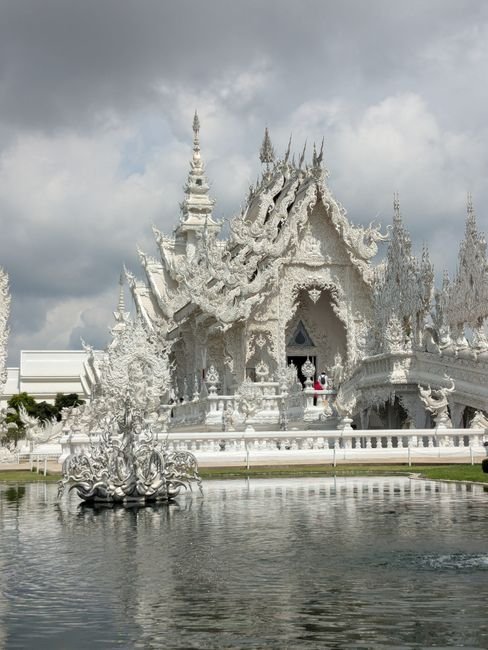
things to do in chiang rai range from visiting striking temples to tasting northern Thai food and exploring the hills beyond the city. Chiang Rai, in northern Thailand, is a relaxed base for seeing local art, mountain scenery and the meeting point of the Mekong and Ruak rivers.
The city is smaller and quieter than Chiang Mai, but its highlights are spread out. You can see several central sights on foot or by tuk-tuk, while temples, waterfalls and tea-growing areas outside town usually need a driver, tour or rental vehicle.
This guide covers the best things to do in chiang rai, with practical advice on timing, transport, food and local customs. Give yourself at least two full days for the city and a nearby excursion, or longer if you want to visit the mountains and border region at an easy pace.
20 Things to Do in Chiang Rai
Use this quick guide to choose what suits your schedule. Distances and travel times can vary with traffic, weather and your chosen transport.
| Experience | Where | Useful to know |
|---|---|---|
| Wat Rong Khun, the White Temple | South of central Chiang Rai | Go early for cooler weather and fewer crowds. |
| Blue Temple and Baan Dam Museum | North and northeast of the center | Allow time for transport between sites. |
| Night Bazaar and Clock Tower | Central Chiang Rai | Easy evening options for food and a walk. |
| Doi Tung and Mae Salong | Mountain areas outside the city | Plan a full day and check road conditions. |
| Khun Korn Waterfall | West of the city | Wear shoes with good grip and check trail access. |
Tip 1 – Visit Wat Rong Khun, the White Temple
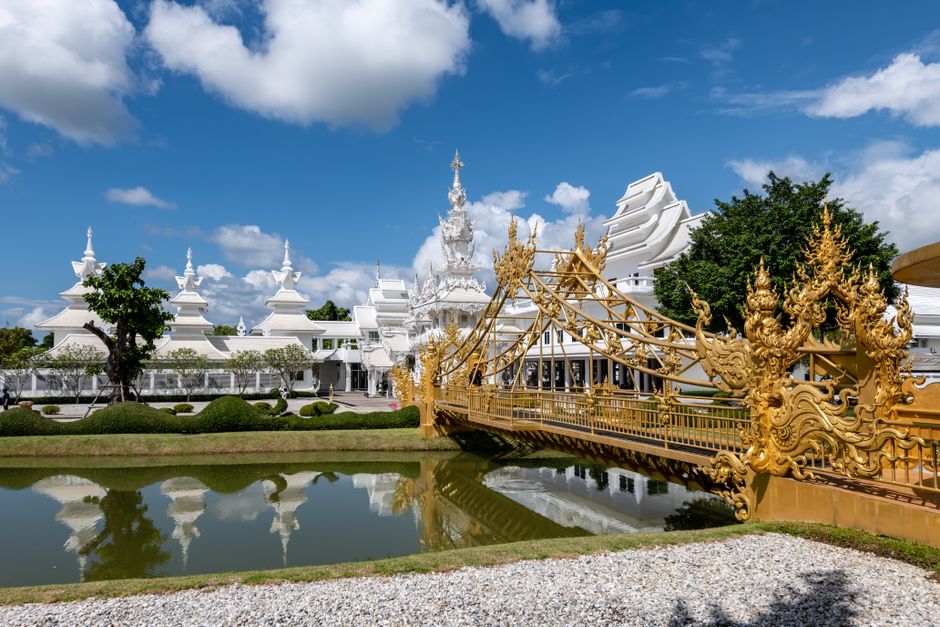
Wat Rong Khun is Chiang Rai’s best-known attraction, famous for its bright white exterior, mirrored details and unusual contemporary artwork. It is an active temple as well as an art project, so dress respectfully and follow signs about where photography is allowed.
It sits south of the city center, so plan transport rather than expecting to walk there. Arriving early can help you avoid the hottest part of the day and some tour groups. The intricate grounds are worth a slow visit, but the site can feel busy at peak times.
Tip 2 – See the Blue Temple
Wat Rong Suea Ten, commonly called the Blue Temple, stands out for its vivid blue walls, gold details and large interior Buddha image. It is closer to central Chiang Rai than the White Temple, making it an easy stop by tuk-tuk or local ride-hailing service.
Visit in the morning or later afternoon for softer light and a calmer feel. It remains a religious site, so cover your shoulders and knees, remove your shoes where asked and keep your voice low.
Tip 3 – Explore Baan Dam Museum
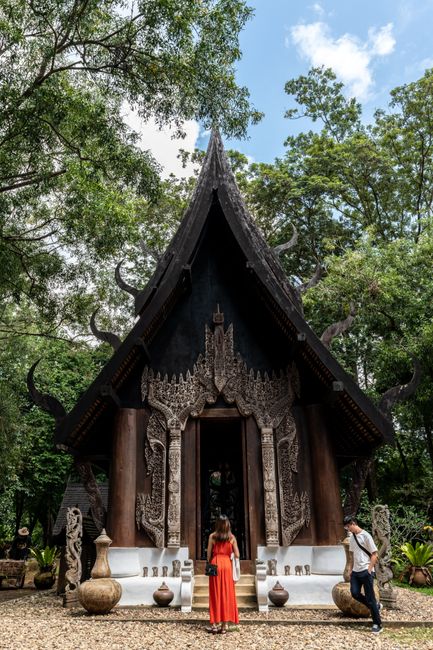
Baan Dam, or the Black House, is a collection of dark buildings, artworks and objects created by Thai artist Thawan Duchanee. It is more thought-provoking than a conventional museum, and some displays may feel unsettling to younger visitors.
The grounds are outside the central area, so combine the visit with the Blue Temple or arrange a driver for both. Take time to read the displays and respect any photography restrictions posted on site.
Tip 4 – Walk around the Clock Tower and central streets
Chiang Rai’s golden Clock Tower is a useful landmark in the center. Its illuminated evening display makes a short stop worthwhile, and the nearby streets are convenient for finding cafés, small shops and dinner.
The center is compact, but midday heat can make walking less comfortable. Carry water, use shaded streets where possible and take a tuk-tuk for longer hops rather than assuming every sight is close together.
Tip 5 – Visit Wat Phra Kaew
Wat Phra Kaew is an important temple in the city and is associated with the discovery of the Emerald Buddha, now housed in Bangkok. The Chiang Rai temple grounds offer a quieter visit than the city’s headline attractions and provide a glimpse of local religious life.
Keep temple etiquette in mind: dress modestly, remove shoes before entering designated buildings and avoid pointing your feet toward Buddha images. A respectful, unhurried visit is more rewarding than treating the temple as a quick photo stop.
Tip 6 – Stop at Wat Huay Pla Kang
Wat Huay Pla Kang is known for its large white statue of Guanyin and its hilltop setting. It is a little way from the center, so arrange a ride and check current access arrangements before you go.
The complex includes several buildings and stairs. If you have limited mobility or are traveling with small children, check which areas are accessible and take your time in the heat.
Tip 7 – Spend time at Singha Park
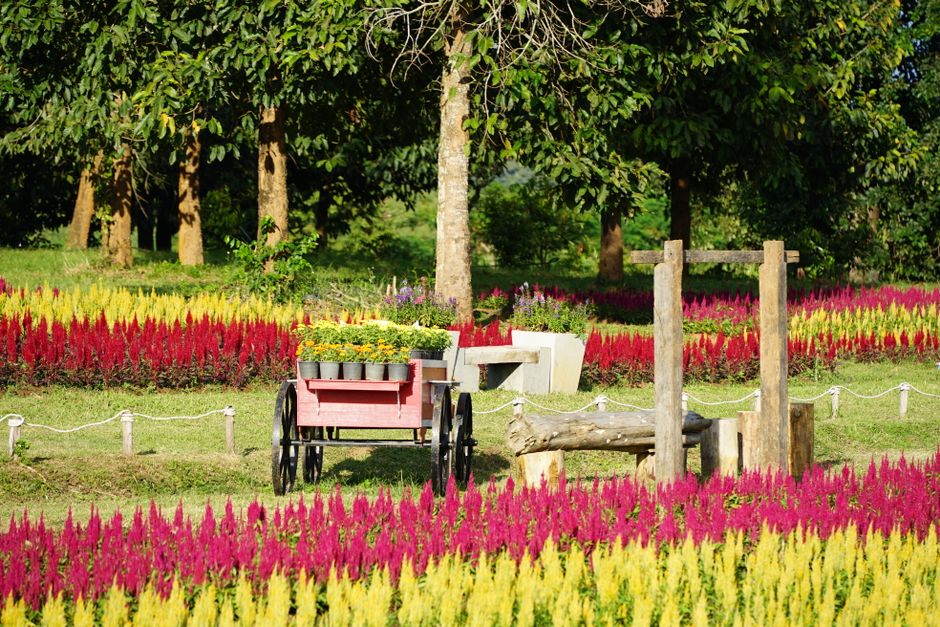
Singha Park is a large countryside park with open fields, gardens and seasonal activities outside the city. It can be a pleasant change of pace after temple visits, especially for families who want room to move around.
Check the park’s current opening information and activity options before setting out. You will need transport to reach it, and the experience depends on the season, weather and any events taking place.
Tip 8 – Taste tea in the northern hills
Tea-growing areas around Mae Salong offer cool air, mountain views and opportunities to sample locally grown tea. The journey from Chiang Rai takes time, but the scenery makes it a good choice for travelers who want to see more than the city center.
Roads can be winding, so consider a local driver if you are not used to mountain driving. Ask about tea prices before ordering and allow time to stop safely for viewpoints rather than stopping on narrow road shoulders.
Tip 9 – Visit Doi Tung and Mae Fah Luang Garden
Doi Tung is a mountain area known for Mae Fah Luang Garden and the Doi Tung Development Project. The garden is an attractive stop, while the surrounding area gives a sense of the region’s highland landscapes and communities.
Plan a full day from Chiang Rai and check current opening hours, weather and road conditions. If you want to visit several sites, a driver or organized day trip can make the schedule easier than relying on separate local rides.
Tip 10 – See the Golden Triangle

The Golden Triangle is the area where Thailand, Laos and Myanmar meet around the Mekong and Ruak rivers. It is a regional excursion rather than a quick city stop, so allow most of a day for the drive and time at viewpoints or local museums.
Being near international borders does not mean you can cross freely. Border access and boat trips depend on current rules and operators. Bring identification, follow official instructions and do not assume that a scenic river visit includes permission to enter another country.
Tip 11 – Take in the Mekong from Chiang Saen
Chiang Saen is a historic riverside town that makes a useful stop on a Golden Triangle day trip. Its temples, old walls and views over the Mekong offer a different atmosphere from central Chiang Rai.
Ask your driver to agree on the route and waiting time in advance. If you want a boat ride, confirm the operator, route, price and safety arrangements before paying, and follow local advice about river conditions.
Tip 12 – Try a local market or walking street
Chiang Rai’s weekend walking streets and local markets are good places to browse snacks, crafts and everyday goods. Market locations and operating days can change, so ask your hotel or check locally on the day.
Go hungry, carry small cash and be considerate when photographing sellers. Markets are working spaces as well as visitor attractions, and asking before taking close-up photos is a simple sign of respect.
Tip 13 – Walk to Khun Korn Waterfall
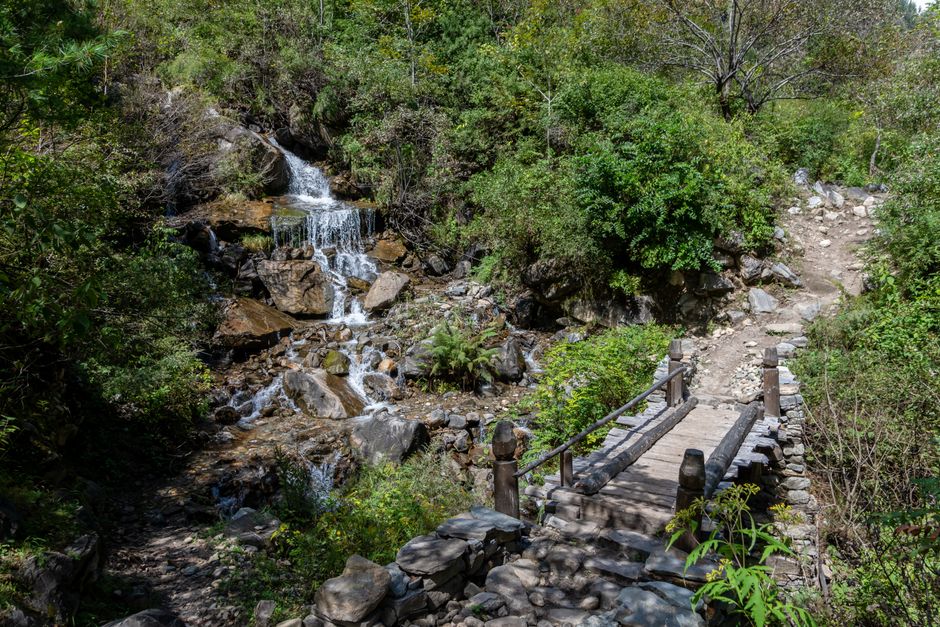
Khun Korn Waterfall is a popular nature trip west of the city, with a forest walk leading to the falls. The trail can be slippery, especially after rain, so wear shoes with reliable grip and bring drinking water.
Check whether the trail is open before traveling, as conditions can change during the rainy season. Leave enough daylight for the return walk and avoid climbing on wet rocks near the waterfall.
Tip 14 – Spend an evening at the Night Bazaar
Chiang Rai Night Bazaar is a convenient place to try northern Thai dishes, browse souvenirs and enjoy a relaxed evening. It is central and easy to combine with a walk near the Clock Tower.
Food stalls vary, so choose busy vendors with food prepared fresh. If you have dietary needs, use a translation app or show a written note, since ingredients such as fish sauce, shrimp paste and chili may not be obvious.
Tip 15 – Order northern Thai food
Try khao soi, a northern Thai curry noodle soup, along with sai ua, a fragrant northern-style sausage, and nam prik ong, a tomato and pork chili dip. Menus may include different regional versions, and spice levels can be stronger than expected.
For a milder meal, say “mai phet,” meaning not spicy. Chiang Rai also has familiar Thai dishes and vegetarian options, but clarify ingredients carefully if you avoid meat, fish sauce or shrimp paste.
Tip 16 – Find a local coffee shop
Northern Thailand grows coffee, and Chiang Rai has independent cafés where you can try locally roasted beans. A café break is also a practical way to escape the midday heat and plan your next stop.
Ask whether beans are from the region if local sourcing matters to you. Prices and styles vary, from simple iced coffee to specialty drinks, so there is no need to assume every café is a formal tasting experience.
Tip 17 – Explore respectfully and learn a few Thai phrases
Chiang Rai is home to people from different communities, including hill communities in the wider province. Choose responsible visits that explain where fees go, ask permission before photographing people and avoid treating cultural traditions as performances made solely for visitors.
A few phrases can make everyday interactions warmer. “Sawasdee” is a greeting, “khop khun” means thank you, and “mai phet” means not spicy. Adding the polite particles “kha” or “khrap” is common, depending on the speaker.
Tip 18 – Choose transport for the distance
Walk around the central streets when the weather is comfortable, and use tuk-tuks or local ride-hailing options for shorter journeys. For places outside town, agree on a fare and return plan with a driver or book a tour with a clear itinerary.
Chiang Rai does not have a metro system, and public transport to outlying attractions can be limited. The official Chiang Rai International Airport website is useful for checking airport information, while your accommodation can often help arrange a local transfer.
Tip 19 – Make room for family and budget-friendly choices
Families can balance temple visits with Singha Park, markets and short café breaks. Keep travel days flexible, carry snacks and water, and avoid trying to fit several distant sights into one hot afternoon.
Budget travelers can save by eating at local markets, staying near the central area and grouping nearby sights together. A private driver costs more, but may be good value when several travelers share the fare for a full-day trip.
Tip 20 – Plan around weather, safety and common mistakes
The cool season, roughly November to February, is generally popular for comfortable sightseeing, but it can be busy. Hot months can make midday visits tiring, while rainy-season showers may affect roads and trails. Check the forecast, pack a light rain layer and keep plans flexible.
A common mistake is assuming the White Temple, Blue Temple, Baan Dam and mountain attractions are all within easy walking distance. Map your stops before leaving, confirm return transport and avoid driving a scooter unless you are licensed, experienced and properly insured. Save your accommodation address offline, keep emergency contacts handy and use a translation or map app that works without mobile data.
Visa & Entry Requirements
Chiang Rai is in Thailand, and entry rules depend on the passport you travel on and the Thai government policies in force when you arrive. Visa exemptions, visa-on-arrival options and visa requirements differ by nationality and can change. Check the current guidance from the Thai Immigration Bureau and the Thai embassy or consulate responsible for your country before booking or traveling. Official government information is the final source to follow.
Check that your passport will remain valid for the period required for your trip and has enough blank pages for any necessary stamps. Requirements can vary, so do not rely on advice written for another passport holder. Confirm whether you need a visa or electronic travel authorization, how long you may stay, and whether you must complete any arrival form or provide information before departure.
Airline staff or border officials may ask for evidence of onward or return travel, accommodation details or funds, depending on your circumstances and current rules. Keep your hotel booking and travel plans accessible, either on your phone or on paper. Travel insurance is not a substitute for entry permission, but it can help with medical costs and disruptions. Check whether any vaccination documents are required for your route, particularly if you are arriving from a country with specific health controls.
Review customs rules before packing. Declare restricted or dutiable goods when required, and do not carry items for someone else unless you know exactly what they are. If your plans include crossing into Laos or Myanmar, check separate entry rules and use an authorized border crossing. These are practical checks, not legal advice or a guarantee of admission. Recheck official sources close to departure because policies can change.
Frequently Asked Questions About Things to Do in Chiang Rai
How many days should I spend in Chiang Rai?
Two full days can cover central temples, the Night Bazaar and one nearby attraction. Allow three or more days if you want to visit Doi Tung, Mae Salong, the Golden Triangle or a waterfall without rushing.
What are the best things to do in Chiang Rai for first-time visitors?
Start with Wat Rong Khun, the Blue Temple, Baan Dam Museum and the central Clock Tower area. Add a northern Thai meal at the Night Bazaar, then choose one day trip that matches your interests and available time.
Can I visit the White Temple and Blue Temple in one day?
Yes. They are commonly visited on the same day, but you will need transport between them. Check opening information before leaving and allow time for the journey, queues and a relaxed visit at each site.
Is Chiang Rai easy to get around without a car?
The central area is manageable on foot, with tuk-tuks and ride-hailing services useful for short trips. For attractions outside the city, arrange a driver or tour in advance because public transport can be limited.
When is the best time to visit Chiang Rai?
Many visitors prefer the cooler months from around November to February. The hotter months can be tiring for outdoor sightseeing, and rain can affect road or trail conditions in the wet season. Check the local forecast before planning excursions.
Is Chiang Rai suitable for families?
Yes, particularly if you mix temples and museums with open spaces, market visits and rest breaks. Consider the distance between attractions, afternoon heat and whether children will enjoy a full-day mountain drive.
What should I wear when visiting temples in Chiang Rai?
Wear clothing that covers your shoulders and knees, and choose shoes that are easy to remove. Follow signs at each temple, as rules about photography and access can differ between sites.
Conclusion: Plan Your Chiang Rai Trip at an Easy Pace
The best things to do in chiang rai combine the city’s distinctive temples and art with food, markets and time in the surrounding countryside. You do not need to visit every attraction to enjoy the region. Pick a few city highlights, then choose a day trip that fits your interests.
Plan transport before heading outside the center, check weather and opening details, and leave space for meals and breaks. Respect temple customs, ask before photographing people and keep your travel documents and emergency contacts accessible.
Chiang Rai rewards travelers who slow down and look beyond a checklist. With a little planning, you can enjoy its northern Thai character, mountain scenery and welcoming local rhythm at your own pace.
