
Key Takeaways
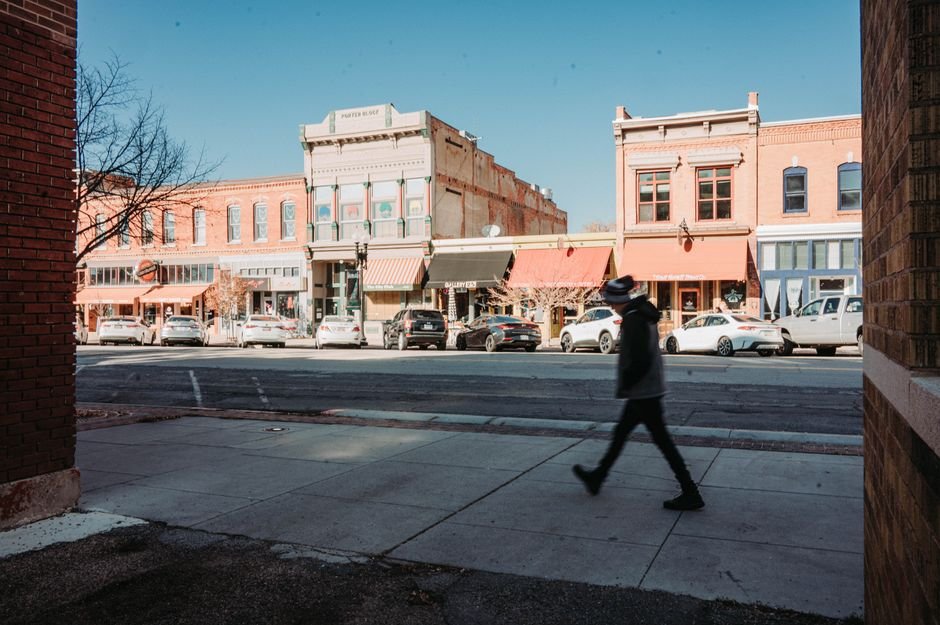
- Explore historic downtown on foot, browsing independent shops and cafes.
- Visit Civil War sites like Fredericksburg and Spotsylvania National Military Park and Chatham Manor.
- Enjoy outdoor spaces such as the Rappahannock River Heritage Trail and Old Mill Park.
- Plan transportation and seasonal considerations; use a car for battlefields and check opening hours.
things to do in fredricksburg range from exploring a historic downtown to walking Civil War battlefields beside the Rappahannock River. Fredericksburg, Virginia, is a rewarding stop between Washington, D.C., and Richmond, with plenty to see on a weekend visit.
The city is known for its preserved 18th- and 19th-century streets, museums, independent shops, and important Civil War history. You can spend a day visiting the main historic sights or stay longer for river walks, local restaurants, and nearby battlefields.
This guide focuses on Fredericksburg, Virginia, in the United States. It covers the best attractions, practical transport advice, food, seasonal tips, and a few common mistakes to avoid when planning your visit.
20 things to do in fredricksburg, Virginia
Fredericksburg’s historic center is compact, but the wider area has several significant sites. Plan your days around neighborhoods and battlefield locations to avoid spending too much time driving back and forth.
Tip 1 – Walk through Historic Downtown Fredericksburg

Begin on Caroline Street, where historic buildings now hold independent shops, galleries, cafes, and restaurants. The downtown is easy to explore on foot, and its brick sidewalks and older storefronts give you a sense of the city’s past without requiring a museum ticket.
Allow time to browse rather than treating the area as a quick photo stop. Some businesses keep shorter hours on Sundays or during quieter seasons, so check ahead if there is a particular shop or cafe you want to visit.
Tip 2 – Visit the Fredericksburg Area Museum
The Fredericksburg Area Museum offers a useful introduction to the people and events that shaped the city and surrounding region. Its exhibitions cover local history, culture, and community life, making it a good first stop before exploring historic sites outdoors.
Exhibitions and opening hours can change. Check the museum’s current information before your visit, and leave enough time to see the displays at a comfortable pace.
Tip 3 – See the Fredericksburg and Spotsylvania National Military Park

The Fredericksburg and Spotsylvania National Military Park preserves several Civil War battlefields and related sites. Start at the visitor center to get context, pick up maps, and ask which locations fit your available time. The park’s National Park Service visitor information is helpful for checking current conditions and planning a route.
The battlefield sites are spread across the region, so they are not all an easy walk from downtown. A car is useful for seeing more than one location. Wear comfortable shoes, bring water, and remember that some areas have limited shade.
Tip 4 – Explore the historic Fredericksburg Battlefield
The Fredericksburg battlefield includes landscapes connected with the 1862 Battle of Fredericksburg. The Sunken Road and nearby Marye’s Heights are among the best-known places to understand the fighting and its human cost.
Take time to read the interpretive signs and consider joining a ranger program if one is available. These open landscapes are more meaningful with some historical context, and hot summer weather can make a long walk tiring.
Tip 5 – Visit Chatham Manor
Chatham Manor sits on a hill overlooking the Rappahannock River and Fredericksburg. The historic house and grounds connect to several parts of the region’s history, including the Civil War, when the property served as a Union headquarters and hospital.
Check the National Park Service website for current access and any temporary closures. Even when house access is limited, the setting and views make the grounds worth considering as part of a battlefield visit.
Tip 6 – Spend time at the Rappahannock River Heritage Trail
The Rappahannock River Heritage Trail offers a quieter break from downtown and historic sites. Choose a short section for a gentle walk, or use the trail to enjoy river scenery and local green space.
Trail conditions can vary with weather and water levels. Use suitable shoes, keep children within sight near the water, and check local guidance before setting out after heavy rain.
Tip 7 – Explore Kenmore and the surrounding historic area

Kenmore is an 18th-century plantation house associated with the Washington family. Its historic rooms and grounds offer a closer look at life in colonial Virginia, including the stories of the enslaved people who lived and worked there.
Confirm tour schedules before you go, as access may depend on the season or special events. Pair the visit with a walk through the nearby historic district for a relaxed half-day outing.
Tip 8 – Tour Mary Washington House
Mary Washington House was the home of George Washington’s mother during the later years of her life. The modest historic house gives a different perspective from the region’s larger estates and battlefield sites.
Guided tours are a good way to understand the house and its period details. If you are visiting several historic properties, check which ones are open on the same day so you can plan a practical route.
Tip 9 – Browse the shops and galleries along Caroline Street
Caroline Street is a pleasant place to look for gifts, antiques, local art, and independent businesses. It is one of the easiest areas to explore without a car, and you can combine browsing with a coffee or meal nearby.
Many shops are small and independently run, so opening hours may differ from larger retail areas. Keep some flexibility in your schedule, especially on weekdays and in winter.
Tip 10 – Take a guided walking tour of downtown

A guided walking tour can bring the city’s architecture, local stories, and Civil War history together. It is especially useful if this is your first visit and you want an overview before exploring on your own.
Choose a tour that matches your interests and mobility needs. The historic streets include uneven surfaces in places, and summer afternoons can be warm, so consider an earlier start and bring water.
Tip 11 – Discover the city’s African American history
Fredericksburg’s history includes the experiences and contributions of African American residents, including people who lived through slavery and those who built community life after emancipation. Look for local museums, historical markers, and guided programs that address these stories directly.
Allow time for this history rather than treating it as a quick add-on. Museum schedules and special tours can change, so check current local listings before planning your day.
Tip 12 – Try local food and Virginia wine
Downtown has cafes, casual restaurants, and dining spots where you can take a break between sightseeing. Menus vary, but you will find familiar American options alongside seasonal dishes and locally inspired flavors.
Virginia wine is another regional experience to look for at local restaurants or tasting rooms outside the city center. If you plan to visit a winery, check its hours and transport options in advance, and arrange a designated driver if needed.
Tip 13 – Take a break in Old Mill Park

Old Mill Park is a useful place to pause during a busy sightseeing day. The park sits near the Rappahannock River and offers open space for a short walk, a picnic, or time outdoors with children.
Bring your own snacks and check local park notices for current facilities or events. Keep an eye on changing river conditions, especially after storms or periods of heavy rain.
Tip 14 – Visit the Hugh Mercer Apothecary Shop
The Hugh Mercer Apothecary Shop is a small historic site that introduces visitors to early medical practices in colonial Virginia. It is an unusual stop that works well for travelers interested in social history and the daily realities of life in the 18th century.
Because it is a smaller attraction, opening times may be limited. Check before visiting and allow time to explore the nearby historic blocks as well.
Tip 15 – Look for seasonal events and farmers markets
Fredericksburg hosts community events and seasonal activities throughout the year. Depending on your dates, you may find markets, festivals, live music, or special programs at local historic sites.
Event schedules can change from year to year. Search the city’s official website and local event listings before your trip, particularly if you are visiting on a holiday weekend.
Tip 16 – Take a family-friendly history break
Families can mix shorter museum visits with outdoor time at the river or a local park. Rather than planning a full day of battlefield stops, choose one or two sites and leave room for snacks, play breaks, and unhurried walks downtown.
Ask museums about child-friendly tours or activity sheets. In warm weather, bring water and sun protection, as several historic locations have open grounds with limited shade.
Tip 17 – Plan a budget-friendly day in the city
You can enjoy Fredericksburg without filling your schedule with paid tours. Walk around the historic district, explore public outdoor spaces, and choose one museum or house tour that best fits your interests.
Check attraction prices and opening hours before you go, as admission policies can differ. A picnic lunch or casual cafe meal can also help keep costs manageable.
Tip 18 – Use downtown as a base for a short road trip
Fredericksburg makes a convenient stop on a Virginia road trip, with Washington, D.C., and Richmond both within reach by road or rail. If you are extending your trip toward Northern Virginia, see this guide to 20 Fun and Best things to do in vienna va for ideas in another nearby Virginia destination.
Do not try to fit too many towns into one day. Travel times can change with traffic, and you will enjoy Fredericksburg more if you leave time to walk around instead of only stopping for photos.
Tip 19 – Choose the right season for your visit
Spring and autumn are comfortable seasons for walking and outdoor sightseeing. Summer brings longer days but can be hot and humid, while winter visits may offer quieter streets alongside shorter daylight hours and reduced opening schedules at some attractions.
Check the forecast and dress in layers. If a battlefield walk is part of your plan, schedule it for the cooler part of the day during summer.
Tip 20 – Avoid the most common planning mistake
The most common mistake is assuming that all of Fredericksburg’s historic sites are within a short walk of one another. Downtown is walkable, but the battlefields and some historic properties are spread across a wider area.
Group nearby attractions together, check opening times, and decide whether you will need a car or a rideshare. For current local information, start with the City of Fredericksburg website and the relevant attraction websites.
Quick reference for visiting Fredericksburg
| Plan | Useful details |
|---|---|
| Best for | American history, Civil War sites, historic streets, and a relaxed weekend |
| Suggested visit | One full day for downtown, or two to three days to include several battlefield sites |
| Getting around | Walk downtown; use a car or other transport for sites spread across the region |
| Good seasons | Spring and autumn are often comfortable for outdoor sightseeing |
| Book ahead | Check tour times, house access, special events, and rail tickets before travel |
| Emergency number | Call 911 in the United States for police, fire, or medical emergencies |
Practical travel advice for Fredericksburg
Getting to Fredericksburg and getting around
Fredericksburg is between Washington, D.C., and Richmond, and it has an Amtrak station as well as commuter rail service on some routes and schedules. Check the Amtrak Fredericksburg station page for current train information. The Virginia Railway Express website provides service details for its commuter trains.
Once you arrive, downtown is easy to explore on foot. A car is helpful for reaching battlefields and sites beyond the center. Use a current map app to check walking routes, parking, and driving times, and confirm public transport schedules directly with the operator.
Safety, local customs, and useful phrases
Fredericksburg is a city where ordinary travel awareness is sensible. Keep valuables secure, use marked crossings, and be careful around roads and river areas. In an emergency, call 911. For non-emergency questions, use the relevant city or visitor service rather than relying on emergency responders.
The United States uses the US dollar, and tipping is customary in many sit-down restaurants and for some service workers. English is the main language, but a few simple phrases help: “Excuse me,” “Could you help me?”, and “Where is the nearest restroom?” are useful almost anywhere.
What to pack and what to book in advance
Pack comfortable walking shoes, weather-appropriate layers, sun protection, and a reusable water bottle. Bring a light rain layer if the forecast is changeable. For summer battlefield visits, a hat and sunscreen are especially useful.
Book accommodation and train tickets early for busy weekends, holidays, or major events. Also check whether guided tours or historic house visits require advance reservations. A maps app and your rail operator’s app or mobile site can help with navigation and schedule updates.
Visa & Entry Requirements
Fredericksburg is in Virginia, United States, so international visitors must follow US entry rules. The requirements depend on the passport you hold, your travel purpose, your planned length of stay, and current US government policy. There is no single visa rule that applies to every traveler, and a visa or travel authorization does not guarantee admission at the border.
Before booking, check the US Department of State’s official visa information and, if relevant to your passport and trip, the official Electronic System for Travel Authorization. Use these government sources to confirm whether you need a visitor visa or an electronic authorization, how long you may stay, and what documents to carry. Rules can change, so check again close to departure.
Review your passport’s expiration date and make sure it meets the requirements that apply to your circumstances. Leave blank pages if needed for travel documents or stamps. Depending on your situation, border officials may ask about your return or onward travel, where you will stay, and how you plan to support your visit. Keep accommodation details and relevant itinerary information accessible.
Check current customs rules before packing food, plants, medicines, or other regulated goods. Travelers may need to declare certain items, and allowances can depend on what they bring and their travel circumstances. Vaccination or other health requirements can also change under government policy, so consult official guidance rather than relying on an old checklist. Travel insurance is a practical way to prepare for unexpected medical or travel costs, but it does not replace entry documents.
For your final checklist, use official US government or embassy information for your passport and route. This section is general travel guidance, not legal advice, and it cannot confirm whether a particular traveler will be admitted.
FAQs about things to do in fredricksburg
Is Fredericksburg, Virginia, worth visiting?
Yes, especially if you enjoy American history, Civil War sites, walkable historic streets, and a slower-paced city break. It also works well as a stop between Washington, D.C., and Richmond.
How many days should I spend in Fredericksburg?
One full day is enough to explore downtown and visit one or two attractions. Plan two or three days if you want to include several battlefield sites, historic houses, museums, and time to relax by the river.
Can I explore Fredericksburg without a car?
You can visit downtown on foot and reach the city by train, but a car or other transport makes it easier to see sites outside the center. Check the location of each attraction before deciding how to get around.
What are the best things to do in fredricksburg with children?
Families can walk downtown, visit a museum or historic house, and take breaks at a local park or by the river. Keep outdoor visits shorter in hot weather and check whether attractions offer child-friendly activities.
When is the best time to visit Fredericksburg?
Spring and autumn are often pleasant for walking and outdoor history visits. Summer offers long days but can be hot and humid, while winter may bring quieter streets and shorter hours at some attractions.
What is the most important thing to plan before visiting?
Check where each attraction is located and confirm its opening hours. Downtown is walkable, but the battlefields and some historic properties are spread out, so you may need to plan transport between them.
Conclusion: things to do in fredricksburg
Fredericksburg, Virginia, is a compact city with a wide range of experiences, from historic downtown streets and local restaurants to Civil War battlefields and river trails. You can shape a visit around history, family-friendly stops, or a relaxed weekend with plenty of time to browse and eat.
For the best experience, group attractions by location, check schedules before setting out, and leave room for breaks. With a little planning, the many things to do in fredricksburg can make a memorable stop on a Virginia trip.
