
Key Takeaways
- Walk Cathedral Square and the Avon River for free city immersion.
- Ride the Christchurch Gondola or hike Port Hills for panoramic views of the plains and harbour.
- Explore Botanic Gardens, Hagley Park and Riverside Market for nature, picnics and local flavours.
- Use buses, tram or bike, pack layers and check weather to stay comfortable.
things to do in christchurch new zealand range from strolling through leafy parks to riding a gondola above the Canterbury Plains. New Zealand’s South Island city is a welcoming base for culture, food, and outdoor adventures.
Christchurch has rebuilt and reinvented itself since the 2011 earthquakes. You’ll find heritage buildings alongside creative new spaces, a pretty riverside centre, and easy access to beaches and hills.
This guide to things to do in christchurch new zealand covers popular sights, local experiences, practical transport advice, and ideas for different budgets. Give yourself at least two full days in the city, or longer if you plan day trips.
For current visitor information and event ideas, check ChristchurchNZ’s official visitor guide before you go.
20 Things to Do in Christchurch New Zealand
Christchurch is easy to explore at a relaxed pace, but the best plan depends on the weather and how far you want to travel. These tips combine central attractions with neighbourhoods, local food, and outdoor options.
Tip 1 – Walk through the central city and Cathedral Square

Start in the central city to get a feel for Christchurch’s mix of old and new. Cathedral Square remains a landmark, while nearby lanes, public art, and newer buildings show how the city has changed since the earthquakes.
Allow time to wander rather than following a strict route. Some buildings and sites may be closed or under renovation, so check access locally. Wear comfortable shoes, as many of the most interesting details are best seen on foot.
Tip 2 – Take a riverside stroll along the Avon
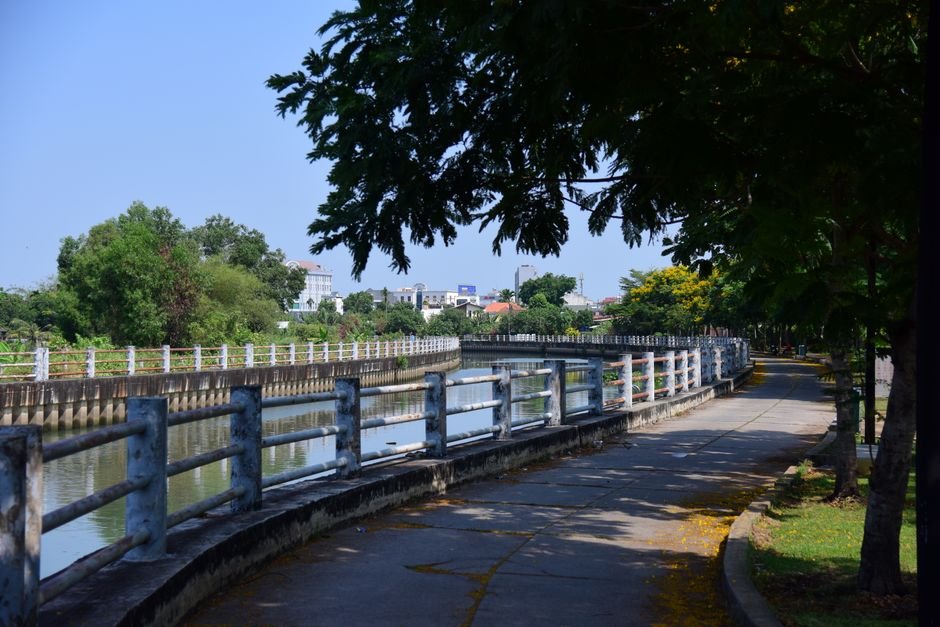
The Avon River, also known by its Māori name Ōtākaro, winds through the centre and gives the city a quieter side. Follow the paths near the central city, watch the punts pass, and stop at a riverside café or bench.
This is a pleasant, low-cost activity and a good way to break up visits to museums and shops. Paths can be busy at peak times, and the weather can change quickly, so bring a light jacket.
Tip 3 – Ride the Christchurch Gondola for wide views
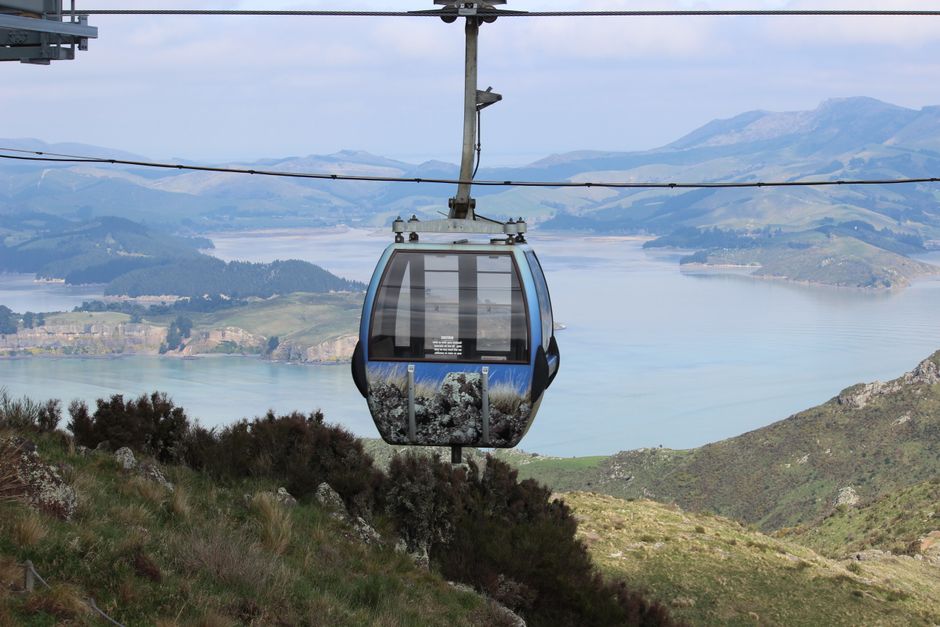
The gondola climbs the Port Hills to a viewpoint overlooking the city, the Canterbury Plains, and the harbour. On a clear day, the views are a highlight. At the top, you can take a short walk or spend time at the visitor facilities.
Check operating hours and weather conditions before setting out. The gondola is outside the central city, so allow time for the journey and check transport options. Tickets cost more than a simple city walk, making this a worthwhile splurge if visibility is good.
Tip 4 – Explore the Botanic Gardens and Hagley Park
Christchurch Botanic Gardens sit within the large green expanse of Hagley Park. Follow paths past mature trees, flower beds, and the Avon, or choose a quiet spot for a picnic. The gardens are especially enjoyable in spring and summer, though the park is worth a visit in any season.
Entry to the gardens is free. Leave enough time to explore because the grounds are larger than they first appear. If you’re travelling with children, bring snacks and allow time for a relaxed walk rather than trying to cover every path.
Tip 5 – Visit the Canterbury Museum precinct and arts spaces
Christchurch has a strong arts and heritage scene, with public galleries, creative spaces, and cultural attractions around the centre. Check current opening information for museums and exhibitions before you go, as venues can close temporarily or change locations during redevelopment.
Allow a few hours if you’re planning an indoor culture day. A gallery visit is also a useful backup when rain or wind makes outdoor plans less appealing. Check ticket prices and any timed-entry requirements in advance.
Tip 6 – Browse Riverside Market and try local food
Riverside Market brings together food stalls, produce, cafés, and small shops in a central covered setting. It’s a convenient place to sample several things without committing to a full restaurant meal. You’ll find options for breakfast, lunch, snacks, and an early dinner.
It can get busy around lunchtime and on weekends, so arrive early if you want a seat. Prices vary between stalls, and a market meal may cost more than a supermarket picnic, but it’s an easy way to try a range of local flavours.
Tip 7 – Spend time in the seaside suburb of Sumner

Sumner is a coastal suburb with a beach, cafés, and a relaxed village feel. It’s a good choice for a slower afternoon, a coastal walk, or a coffee with sea views. Check local conditions before swimming, as surf and currents can vary.
Getting there takes longer than exploring the central city, so plan your transport and return journey. If you’re visiting in summer, bring sun protection and expect more people on the beach.
Tip 8 – Walk the Port Hills tracks
The Port Hills offer walking routes with views across Christchurch, Lyttelton Harbour, and the plains. Choose a short, well-marked track if you’re new to the area, or set aside more time for a longer route. Conditions can be exposed, and some paths are steep.
Check track updates and weather before leaving. Carry water, wear shoes with good grip, and keep to marked tracks. For official information on outdoor areas and track planning, consult the New Zealand Department of Conservation website.
Tip 9 – See the city by tram
The Christchurch Tram provides a convenient way to pass several central sights while learning a little about the city. You can ride for the experience or use it as part of a day spent exploring the centre.
Check current routes, fares, and operating times before your visit. The tram is a visitor attraction rather than a replacement for the city’s regular bus network, and it may not be the cheapest way to get from one point to another.
Tip 10 – Take a day trip to Lyttelton

Lyttelton is a historic port town across the Port Hills, known for its harbour setting, independent cafés, and weekend market. It makes a rewarding half-day trip from Christchurch and offers a different pace from the central city.
Check the market schedule if that’s part of your plan. Bus and road options vary, so confirm the return journey before you leave. If you’re driving, allow extra time for the hill route and look out for changing weather.
Tip 11 – Find street art and creative spaces
Public art is part of Christchurch’s evolving identity. Look for murals and creative installations as you walk between central city streets, laneways, and newer developments. The exact artwork you see can change, so keep your eyes open rather than relying only on a fixed list.
This is a free way to add colour to a city walk. Be respectful around businesses and residential areas, and avoid blocking doorways when stopping to take photos.
Tip 12 – Try a neighbourhood café or local brewery
Beyond the main visitor streets, Christchurch has neighbourhood cafés and bars that are good places to slow down. Look for local coffee, seasonal produce, and New Zealand beers or wines. If you’re unsure where to start, ask your accommodation host or a local for a current recommendation.
Opening hours can be shorter than visitors expect, particularly outside the busiest areas. Check hours before making a special trip, and remember that alcohol service follows New Zealand laws and venue policies.
Tip 13 – Visit the International Antarctic Centre

Near Christchurch Airport, the International Antarctic Centre offers an indoor experience focused on Antarctic exploration and science. It can be a useful option for families or for a rainy day, and its location makes it possible to visit before or after a flight if your schedule allows.
Check the current programme, opening hours, and ticket prices before going. It’s not in the central city, so factor in the transfer time and any luggage arrangements.
Tip 14 – Enjoy a family-friendly day outdoors
Families can mix playground stops, easy park walks, and a relaxed riverside visit. Hagley Park and the Botanic Gardens have plenty of open space, while the city’s cafés and markets make convenient breaks for snacks and restrooms.
Build in time for unplanned stops. Christchurch is well suited to a flexible family day, but the city centre and larger parks can involve more walking than young children expect.
Tip 15 – Look for low-cost things to do
Some of the best things to do in christchurch new zealand are free or inexpensive: walk the central city, explore Hagley Park, follow the river paths, and look for public art. A picnic can also help keep food costs down.
Paid attractions can add up, so choose the experiences that matter most to you. If you’re planning other coastal holidays as well, you may also enjoy this guide to 20 fun things to do in Hilton Head.
Tip 16 – Use buses and plan your airport transfer
Christchurch has a local bus network, and buses can be useful for reaching suburbs and attractions beyond walking distance. Check routes, fares, and service times on the Metro Christchurch public transport website. Timetables can vary by day and route.
Plan your airport journey before travel day, especially if you have an early flight or bulky luggage. Taxis and rideshare services may be more convenient, while a bus can be a lower-cost option depending on your route and schedule.
Tip 17 – Choose the right season for your plans
Summer, from December to February, usually brings warmer weather and longer daylight hours, but popular spots can be busier. Autumn and spring are good for walking and garden visits, though conditions can shift. Winter is cooler and can be wet, but the city remains a useful base for indoor attractions and regional trips.
Pack layers in every season. A sunny morning doesn’t guarantee a warm afternoon, especially on the coast or in the hills.
Tip 18 – Book key activities and day trips ahead
For popular attractions, guided trips, and special events, check whether advance booking is recommended. Booking ahead is especially helpful during school holidays, busy summer dates, and weekends when you have limited time in the city.
Keep some flexibility in your itinerary. Weather can affect outdoor plans, so avoid booking every hour of your stay unless an activity has limited availability.
Tip 19 – Pack for walking, sun, and changeable weather
Bring comfortable walking shoes, a light waterproof layer, and clothes you can wear in layers. Sun protection is important in New Zealand, even when the air feels cool. A reusable water bottle and a small day bag are useful for parks, markets, and coastal outings.
If you’re heading into the Port Hills or further afield, take extra water and check the forecast. Conditions outside the city can be different from those in the centre.
Tip 20 – Avoid the most common planning mistake
A common mistake is treating Christchurch only as an overnight stop before heading elsewhere. The city has enough gardens, food, neighbourhoods, and nearby landscapes to fill several days, especially if you like a slower pace.
Another mistake is assuming every attraction is within an easy walk of the centre. Check distances and transport before you set out, and group nearby activities together. For emergencies in New Zealand, call 111 for police, fire, or ambulance services.
Quick Reference: Christchurch Travel Tips
| Plan | Useful starting point | Keep in mind |
|---|---|---|
| First city walk | Central city, Cathedral Square, and the Avon | Check access around any buildings or sites under redevelopment |
| Green space | Botanic Gardens and Hagley Park | Allow time to wander; the park is larger than it looks |
| Coastal outing | Sumner | Check surf conditions and plan your return transport |
| Hill views | Christchurch Gondola or Port Hills tracks | Weather affects visibility and walking conditions |
| Getting around | Walk in the centre and use buses for longer trips | Check routes and service times before travelling |
| Emergency help | Call 111 in an emergency | Use this number for police, fire, or ambulance services |
Visa & Entry Requirements
Entry requirements for New Zealand depend on the passport you hold, your reason for travel, and the rules in force when you travel. Visa, passport-validity, electronic travel authorization, vaccination, customs, and length-of-stay requirements are not the same for every visitor. Check the latest information before booking and again close to departure.
Start with the official Immigration New Zealand visa information to find the rules that apply to your circumstances. Depending on your passport and travel purpose, you may need a visitor visa, a New Zealand Electronic Travel Authority (NZeTA), or another form of permission. Do not assume that a visa-free arrangement means no pre-travel authorization is required.
Check your passport’s expiry date and make sure it meets New Zealand’s current validity rules for your situation. It’s also sensible to have spare blank pages for travel documentation, although page requirements can depend on your route and documents. If your trip includes another country, check that country’s rules too.
Before travelling, confirm whether you may be asked for evidence of onward or return travel, accommodation details, sufficient funds, or travel insurance. These requirements can depend on your entry category and personal circumstances. Travel insurance is not a substitute for any required visa or authorization, but it can help with unexpected medical costs and travel disruption.
New Zealand has strict biosecurity and customs controls to protect its environment and agriculture. Declare items when required, including food, outdoor equipment, and other goods covered by the arrival declaration. Check official guidance before packing anything you are unsure about. Vaccination and health rules can also change, so verify current requirements through government sources rather than relying on older travel advice.
Rules can change without much notice, and this information is general travel guidance, not legal advice or a guarantee of entry. For the final answer, use Immigration New Zealand’s current guidance or contact the nearest New Zealand embassy or consulate if your situation is unclear.
Frequently Asked Questions
How many days should I spend in Christchurch?
Two full days is a good starting point for the central city, gardens, and one nearby outing. Stay three or more days if you want time for Sumner, Lyttelton, the Port Hills, or a slower schedule.
What are the best things to do in christchurch new zealand for first-time visitors?
Begin with the central city and Avon riverside, then visit the Botanic Gardens and Hagley Park. Add the gondola or a coastal trip to Sumner if the weather is suitable.
Is Christchurch easy to explore without a car?
The central city is walkable, and local buses connect many other areas. A car can be useful for reaching several regional sights in one day, but it isn’t essential for a short city visit.
What is the best time of year to visit Christchurch?
Summer offers longer days and generally warmer conditions, while spring and autumn are pleasant for walks and gardens. Winter is cooler, so pack layers and plan some indoor activities as a backup.
Is Christchurch a good destination for families?
Yes. Parks, gardens, markets, and indoor attractions give families a range of options. Plan around walking distances and check current opening hours and ticket details before setting off.
Are there free things to do in Christchurch?
Yes. You can walk through the central city, enjoy the Avon paths, explore Hagley Park and the Botanic Gardens, and look for public art without paying an entry fee. Transport, food, and special attractions may add to your day’s costs.
What should I know about safety in Christchurch?
Use normal city precautions, keep valuables secure, and follow local signs and advice around roads, beaches, and walking tracks. Weather and sea conditions can change, so check them before outdoor activities. Call 111 for police, fire, or ambulance emergencies.
Conclusion
Christchurch rewards visitors who make time to explore beyond the first central-city walk. From the Avon and Botanic Gardens to the Port Hills, Sumner, and Lyttelton, the city offers a mix of relaxed urban experiences and easy outdoor escapes.
Use this guide to plan the things to do in christchurch new zealand that suit your interests, then leave room to adjust for weather and opening times. With comfortable shoes, a flexible itinerary, and a little planning, you can enjoy a memorable stay in New Zealand’s largest South Island city.
