
Key Takeaways
- Explore medieval Città Alta starting at Piazza Vecchia and its historic churches.
- Ride the funiculars for easy access between Città Bassa and Città Alta, including San Vigilio.
- Sample Lombard specialties like casoncelli, polenta, and stracciatella gelato.
- Balance visits with museums in the lower city and outdoor walks on the Venetian walls.
things to do in bergamo include walking medieval lanes, riding a hillside funicular and tasting hearty Lombard food. This northern Italian city has two distinct sides: historic Città Alta above and lively Città Bassa below.
Bergamo is in Lombardy, about 50 kilometres northeast of Milan. Many visitors arrive through Milan Bergamo Airport, then head straight to the upper town. Give yourself time to explore both areas, though. The lower city has museums, shops and excellent places to eat, while the hilltop old town is the setting for many of Bergamo’s best-known sights.
This guide to things to do in Bergamo covers landmark visits, local food, transport, safety and practical planning. A day is enough for the main sights, but staying one or two nights gives you a more relaxed visit and a chance to see the city after day-trippers leave.
20 Things to Do in Bergamo: A Practical Guide
Tip 1 – Start in Piazza Vecchia

Piazza Vecchia is the natural starting point for exploring Città Alta. Historic buildings frame the square, and the cafés make it an easy place to pause before visiting nearby churches and museums. Look up at the Campanone, the civic tower, which rings at 10 p.m. in a tradition linked to the old city gates closing.
The square can feel busy in the middle of the day, especially on weekends. Come earlier for quieter photos, or return in the evening when the stone façades are softly lit.
Tip 2 – Visit the Basilica of Santa Maria Maggiore
This richly decorated church is one of Bergamo’s most memorable interiors. Its exterior is relatively plain, so step inside to see the ornate furnishings, tapestries and detailed decoration. Check current opening times before you go, as access can change around services and special events.
The basilica stands beside Piazza Vecchia. Dress respectfully, keep your voice low and avoid entering during a service unless visitors are clearly welcome.
Tip 3 – See the Cappella Colleoni
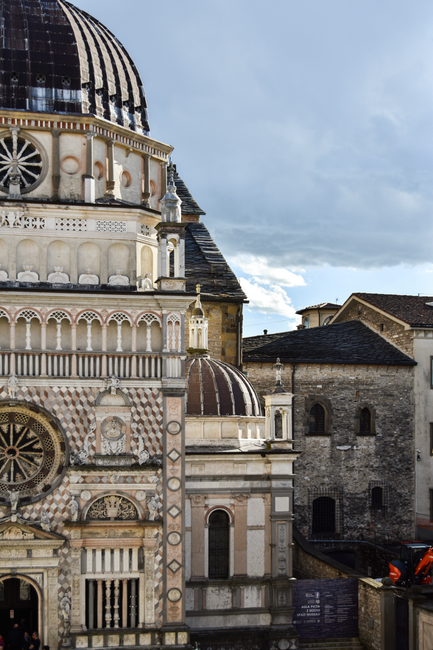
Next to the basilica, the Cappella Colleoni stands out for its patterned marble façade and sculptural details. It was built as a funerary chapel for the military leader Bartolomeo Colleoni and is a compact but striking stop on a Città Alta walk.
It is easy to combine with the basilica and the cathedral in one visit. Opening hours can vary, so check locally rather than assuming every nearby religious site has the same schedule.
Tip 4 – Walk along the Venetian Walls
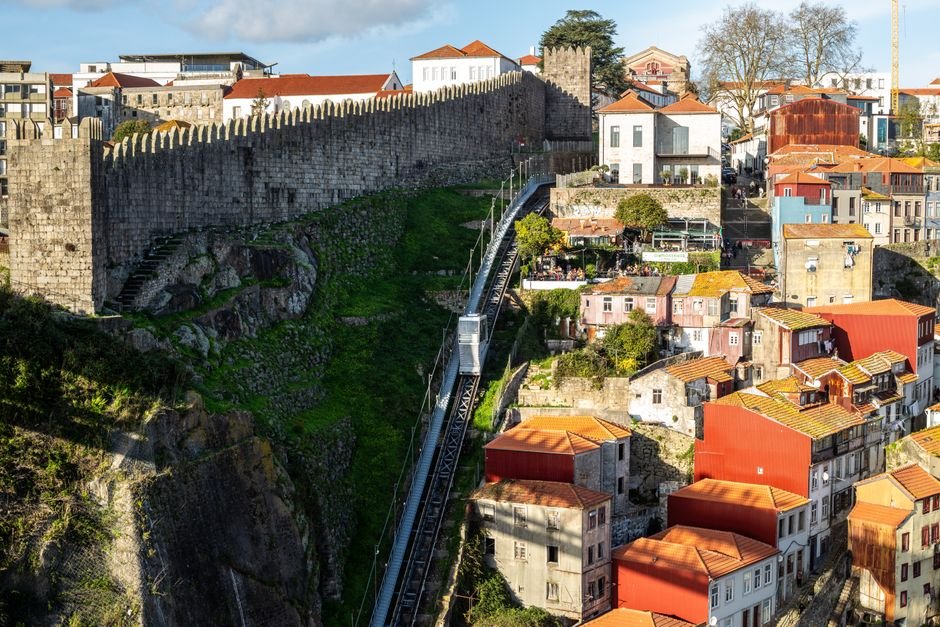
Bergamo’s Venetian Walls wrap around Città Alta, with broad paths, grassy sections and views across the lower city and surrounding countryside. The fortifications are part of a UNESCO World Heritage site, and walking a section is one of the simplest ways to appreciate the city’s setting.
You do not have to complete the whole circuit. Choose a stretch that suits your time and energy, and wear comfortable shoes. The route is mostly manageable, but summer sun and limited shade can make a midday walk tiring.
Tip 5 – Take the funicular between the two cities
The lower funicular links Città Bassa with Città Alta and turns the climb into a short, scenic ride. It is useful when your legs are tired, but riding it is also part of the Bergamo experience. Buy a suitable ticket and check service information with ATB Bergamo public transport.
Queues can form at popular times, particularly on weekends. If you are happy to walk uphill, the streets and stairways offer a more gradual alternative, though some routes are steep.
Tip 6 – Continue up to San Vigilio
A second funicular climbs from Città Alta to San Vigilio, a quieter hilltop area with wide views and the remains of a castle. It is a rewarding addition if you have more than a few hours and want a break from the busiest streets.
Allow time to wander around the upper station and viewpoints. Check the operating schedule before setting out, especially outside the main tourist season, and bring water on warm days.
Tip 7 – Climb the Campanone for city views

The Campanone, also known as the Civic Tower, offers a high viewpoint over the rooftops of Città Alta and the Lombard plain. It is one of the best places to understand how the old town sits above the modern city.
There may be stairs or lift access depending on current arrangements, so check before visiting if mobility is a concern. The view is especially appealing near sunset, but this is also a popular time to visit.
Tip 8 – Explore the Rocca and its gardens
The Rocca is a historic fortress area with open spaces and views over Bergamo. It makes a pleasant, less formal stop between the main squares and the city walls. Take a slow walk through the grounds and look for viewpoints across both Città Alta and Città Bassa.
It is a good option for visitors who want a little fresh air without committing to a long countryside walk. Check access and museum hours if you plan to go inside any exhibition spaces.
Tip 9 – Make time for the Duomo of Bergamo
Bergamo Cathedral, dedicated to Saint Alexander, sits close to Piazza Vecchia and the basilica. Its interior offers a quieter contrast to the richly decorated Santa Maria Maggiore. Together, these religious landmarks give a sense of the city’s long history and artistic traditions.
As with other churches, be considerate of worshippers and follow any photography restrictions. A short visit is usually enough unless you enjoy studying church architecture in detail.
Tip 10 – Visit Accademia Carrara in Città Bassa

Accademia Carrara is a major art museum in the lower city, with a collection spanning several centuries of Italian art. It is a worthwhile choice if you want a cultural visit beyond the old town’s architecture. See the Accademia Carrara official website for exhibitions, opening times and ticket information.
Allow a couple of hours if you like art, and check whether advance booking is useful for your visit. Pair the museum with a walk around Città Bassa rather than rushing back uphill straight away.
Tip 11 – Look for Gaetano Donizetti’s Bergamo
The composer Gaetano Donizetti was born in Bergamo, and the city keeps his story visible through museums, historic sites and performances. If you are interested in opera or music history, look up current events at the Donizetti Theatre and check whether a performance fits your dates.
Even without a concert, you can notice the city’s musical heritage while exploring the centre. Event schedules change seasonally, so book popular performances ahead when possible.
Tip 12 – Taste casoncelli and polenta
Make room for local Lombard cooking. Casoncelli alla bergamasca are stuffed pasta traditionally served with butter, sage, pancetta and cheese. Polenta is another regional staple, often served with meat, mushrooms or local cheeses.
These are filling dishes, so consider sharing a starter or choosing a lighter meal if you plan to walk afterwards. Menus and recipes vary between restaurants, and vegetarian options are easier to find in larger places than in traditional trattorias.
Tip 13 – Try a local aperitivo

Aperitivo is an easy way to slow down after sightseeing. Order a drink in Città Bassa or Città Alta and enjoy the small snacks that may come with it. The exact offering depends on the bar, so check whether food is included before choosing a place.
For a more local evening, eat a little later than you might at home. Italian meal times vary, but many restaurants become busier after about 7:30 p.m.
Tip 14 – Enjoy a gelato stop
Gelato makes a welcome break between walks, particularly in warm weather. Bergamo is also associated with stracciatella, a chocolate-speckled milk gelato flavour created in the city in the 1960s. Try it alongside another flavour if you want to compare textures and taste.
Look for gelato stored in covered metal tins or modestly displayed tubs rather than unusually tall, brightly coloured piles. This is not a guarantee of quality, but it can help you avoid places focused mainly on display.
Tip 15 – Wander through Città Bassa
Città Bassa has broad streets, shops, cafés and everyday city life. Walk along the main avenues, browse local stores and notice the contrast with the medieval upper town. It is also a practical base for hotels and restaurants, often with easier access to transport.
To get a sense of the wider city, spend time in both districts instead of treating the lower town only as a place to sleep. For another example of planning a walkable city visit, see this guide to 20 Fun and Best things to do in christchurch new zealand. Christchurch is a separate destination, but its city-guide format can offer ideas for structuring a multi-stop trip.
Tip 16 – Visit the botanical garden
The Bergamo Botanical Garden, located in Città Alta, is a small and peaceful stop with plant collections and views. It is especially pleasant when you want a quieter break from busy squares and museums.
Opening dates and hours may be seasonal, and the garden is not a large attraction. Check its current schedule and combine it with a walk toward San Vigilio if the weather is good.
Tip 17 – Plan a family-friendly day
Families can keep the day simple: ride the funicular, explore the walls, pause for gelato and choose one museum or church rather than trying to see everything. The open areas around the Rocca and the panoramic paths give children space to move around.
Some old-town streets are cobbled and steep, so a lightweight stroller or carrier may be easier than a large pushchair. Build in snack and rest stops, and avoid packing too many timed attractions into one day.
Tip 18 – Choose a good season and time of day
Spring and autumn are often comfortable for walking, with milder temperatures than midsummer. Summer brings longer days but can be hot, while winter offers a quieter atmosphere and cooler weather. Check the forecast before planning a long walk along the walls.
For popular sights, start early or visit later in the afternoon. Weekends and holiday periods can bring more visitors to Città Alta, while some smaller attractions may have reduced seasonal hours.
Tip 19 – Get around with a little planning
Bergamo’s airport is served by local buses, and the city’s funiculars and bus network make it easier to move between the airport, station, Città Bassa and Città Alta. Check routes and tickets before boarding through the ATB transport website. The Milan Bergamo Airport website has current airport information.
Google Maps can help with walking directions, while the ATB website or app is useful for local transport updates. If travelling onward by train, check schedules with the rail operator and allow extra time when changing between the airport and station.
Tip 20 – Avoid the most common visitor mistake
The most common mistake is spending all your time in Città Alta and missing the lower city, or trying to squeeze both districts into a rushed airport layover. Bergamo’s character comes from the contrast between the two, and the uphill journeys take time.
Give yourself at least a full day if you want to see the main landmarks at a comfortable pace. Wear shoes with good grip for stone streets, keep a little cash or a card handy, and check opening hours before building your day around a specific museum or church.
Quick Reference: Planning a Visit to Bergamo
| Travel detail | Useful advice |
|---|---|
| Best for | Historic architecture, art, food and easy city walks |
| Suggested stay | One full day for highlights, two nights for a slower visit |
| Top areas | Città Alta for medieval sights, Città Bassa for shops, dining and transport |
| Getting around | Walk, use ATB buses and ride the funiculars between the city levels |
| Local dishes | Casoncelli alla bergamasca, polenta and stracciatella gelato |
| Useful planning check | Confirm museum hours, funicular service and airport transport before travel |
Visa & Entry Requirements
Bergamo is in Italy, which is part of the Schengen Area. Entry requirements are not the same for every visitor. Visa rules, passport-validity requirements, any required blank pages, electronic travel authorization, vaccination guidance, customs rules and permitted length of stay depend on the passport you hold and the government policies in force when you travel.
Before booking or departing, check the Italian government’s Visa for Italy portal for visa information relevant to your circumstances. You can also consult the Italian embassy or consulate responsible for your place of residence. Use official sources for the final answer, as airline guidance and general travel websites may not reflect a recent policy change.
Check that your passport will meet the validity rules that apply to your case and has enough blank pages if required. If you need a visa or electronic authorization, confirm the application process, processing time and permitted stay before making non-refundable plans. Do not assume that a visa issued for one purpose automatically allows another activity or a longer stay.
Border officials or carriers may ask for evidence of your onward or return journey and where you plan to stay. Keep accommodation details and relevant travel documents accessible. Travel insurance is a sensible safeguard for medical costs, delays and cancellations, although whether it is required depends on the traveler’s situation and current rules.
Vaccination requirements can depend on your travel history and the policies in effect, so check official health advice if relevant. Customs rules also vary, especially for restricted goods, cash declarations and items brought into the European Union from outside it. Declare goods when required and check the current customs guidance for your route. These notes are for trip planning, not legal advice, and do not guarantee admission.
Frequently Asked Questions About Things to Do in Bergamo
Is Bergamo worth visiting?
Yes. Bergamo combines a well-preserved hilltop old town, Renaissance and medieval landmarks, art museums and good regional food. It is also a practical stop for travellers flying through Milan Bergamo Airport.
How many days do you need in Bergamo?
One full day is enough to see several major sights in Città Alta and take a short walk in Città Bassa. Two nights make the visit more relaxed and leave time for museums, San Vigilio or a longer meal.
What are the best things to do in Bergamo for first-time visitors?
Start with Piazza Vecchia, Santa Maria Maggiore and the Venetian Walls. Ride the funicular between the upper and lower city, then make time for local food and a walk through Città Bassa.
Is Bergamo easy to explore on foot?
The historic centre is very walkable, but Città Alta has steep sections, steps and cobbled streets. Use the funicular or bus when you want to save energy, and wear comfortable shoes with a good grip.
What food should I try in Bergamo?
Try casoncelli alla bergamasca, polenta and local cheeses. Stracciatella gelato is another city-associated treat. Restaurant menus differ, so ask about ingredients if you have allergies or dietary needs.
Is Bergamo safe for visitors?
Bergamo is generally straightforward to visit, but use ordinary city precautions. Keep an eye on bags in crowded areas and on public transport, avoid leaving valuables visible in a parked car, and use well-lit routes at night. In Italy, call 112 for emergency assistance.
What is the best way to reach Città Alta?
The lower funicular is the easiest option for many visitors, and buses also serve the upper town. Walking up is possible but involves a climb. Check ATB service and ticket information before travelling.
Conclusion: Make Time for Both Sides of Bergamo
The best things to do in Bergamo bring together the old and new parts of the city. Explore Città Alta’s squares, churches and walls, then make time for the museums, shops and dining streets below.
Plan around the funiculars and opening hours, leave room for a long meal, and wear shoes suited to uneven streets. Whether you are visiting for a day or staying longer, Bergamo rewards a steady pace and a little curiosity.
