
Key Takeaways
- Quiet Atlantic shoreline and nature trails offer relaxed coastal experiences
- Loggerhead Marinelife Center provides sea turtle conservation education
- Check pier status, beach conditions, and nesting rules before visiting
- Rental car or rideshare is essential for accessing attractions
things to do in juno beach include quiet Atlantic beaches, sea turtle conservation, coastal trails, and easy outings around Florida’s Palm Beach County. This small seaside town is a relaxed base for travelers who want nature and beach time without the pace of a larger resort city.
Juno Beach is in the United States, on Florida’s southeast coast, between Jupiter and Palm Beach Gardens. It is compact, so a car is useful for reaching restaurants and nearby attractions, while the beach and several nature spots are easy to enjoy at a slower pace.
Use this guide to plan a first visit, choose activities for different budgets, and prepare for Florida’s sunshine, seasonal weather, and sea turtle nesting rules. Attraction hours, beach conditions, and access can change, so check official sources before setting out.
Things to Do in Juno Beach
Quick Reference for Juno Beach
| Topic | What to know |
|---|---|
| Location | Palm Beach County, Florida, United States |
| Best for | Beaches, wildlife, nature walks, and a quieter coastal stay |
| Getting around | A rental car or rideshare is practical; local bus service is available on some routes |
| Typical visit | Two or three days for Juno Beach, with extra time for nearby Jupiter and Palm Beach Gardens |
| Good to plan ahead | Sea turtle center hours, beach conditions, seasonal weather, and the Juno Beach Pier’s current status |
20 Things to Do in Juno Beach
Tip 1 – Visit Loggerhead Marinelife Center

Loggerhead Marinelife Center is one of the best-known places in Juno Beach. The center focuses on sea turtle conservation and marine life, with exhibits and opportunities to learn about rehabilitation work. It is a useful first stop if you want context for the local beaches and nesting season.
Check the Loggerhead Marinelife Center’s official website for current opening hours, programs, and admission details. Allow extra time if you are visiting with children or want to join a scheduled activity.
Tip 2 – Spend time at Juno Beach Park
Juno Beach Park is a straightforward place to enjoy the Atlantic shoreline. Come for a swim when conditions are safe, stretch out with a book, or take a walk along the sand. Beach facilities and access can vary, so check the Town of Juno Beach’s information before your visit.
Florida’s sun can feel strong even on breezy or cloudy days. Bring water, sunscreen, and a hat, and follow posted signs about swimming, wildlife, and beach rules. If the surf looks rough, stay out of the water and choose a walk or indoor activity instead.
Tip 3 – Check the Juno Beach Pier before you go

The Juno Beach Pier is a familiar local landmark and a popular spot for coastal views and fishing when it is open. Its access and operating status may change because of maintenance, weather, or improvement work, so do not build your day around entering the pier without checking first.
Look for updates from the Town of Juno Beach before driving over. If the pier is closed, the town’s beach access points still offer a chance to enjoy the ocean and take a shoreline walk.
Tip 4 – Learn about sea turtle nesting season
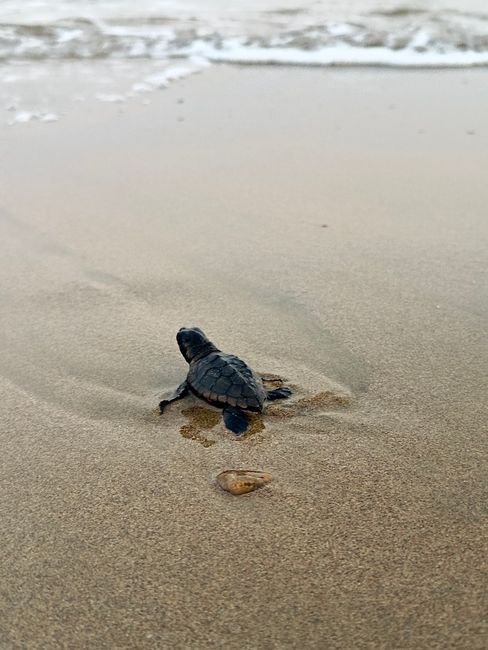
Juno Beach is closely connected with sea turtle conservation. Nesting season in Florida generally runs from spring into fall, but timing and local conditions can vary. Loggerhead, green, and leatherback turtles are among the species found in the region.
At night, keep lights away from the beach and never approach or touch a turtle, hatchling, or marked nest. Follow signs and instructions from local authorities. A visit to the marinelife center can help explain why small choices, such as keeping the beach dark and clear, matter.
Tip 5 – Enjoy the shoreline at sunrise
Juno Beach faces east, making early morning a lovely time for a quiet walk beside the water. The beach is often cooler and less busy than it is later in the day. Sunrise is also a good time for photos, though bright light and changing clouds mean conditions will differ from one morning to the next.
Bring a light layer in cooler months and a reusable water bottle year-round. Leave shells and wildlife where you find them, and check local rules before collecting anything from the beach.
Tip 6 – Try a beach walk instead of planning every hour
One of the pleasures of Juno Beach is having room in the day for unplanned time. Walk a section of the sand, pause to watch shorebirds, and take a break in the shade. This is a low-cost way to experience the coast without needing to book an activity.
Choose a beach access point that suits your group and mobility needs. Sand can be difficult for strollers and wheelchairs, so ask the town about current accessible facilities before your visit.
Tip 7 – Explore Juno Dunes Natural Area

For a change from the beach, look for trails at Juno Dunes Natural Area. The coastal habitat gives you a closer look at the region’s plants and wildlife, and a short walk here can fit neatly between a beach visit and lunch.
Wear closed shoes, bring water, and stay on marked paths. Florida heat and insects can make even an easy trail feel demanding in the middle of the day, so mornings are often more comfortable. Confirm current access and trail details with the town before going.
Tip 8 – Add a nearby visit to John D. MacArthur Beach State Park
Just south of Juno Beach, John D. MacArthur Beach State Park offers a different coastal setting, with natural areas and opportunities to explore the water. It is a good option for visitors who want more than a resort-style beach day while staying close to Juno Beach.
Check the Florida State Parks page for John D. MacArthur Beach State Park for current admission, hours, and activity information. Arrive early on busy days and bring supplies you may need, as services can be limited compared with a town center.
Tip 9 – Look for wildlife from a respectful distance
Birds and other coastal wildlife are part of the Juno Beach experience. Take binoculars if you have them, move quietly, and watch from paths or public areas. You may spot shorebirds along the water or wildlife in natural areas, but sightings are never guaranteed.
Do not feed animals or try to get close for a photograph. Keeping a respectful distance is safer for both visitors and wildlife, particularly around nesting areas and protected habitats.
Tip 10 – Make a nearby trip to Blowing Rocks Preserve
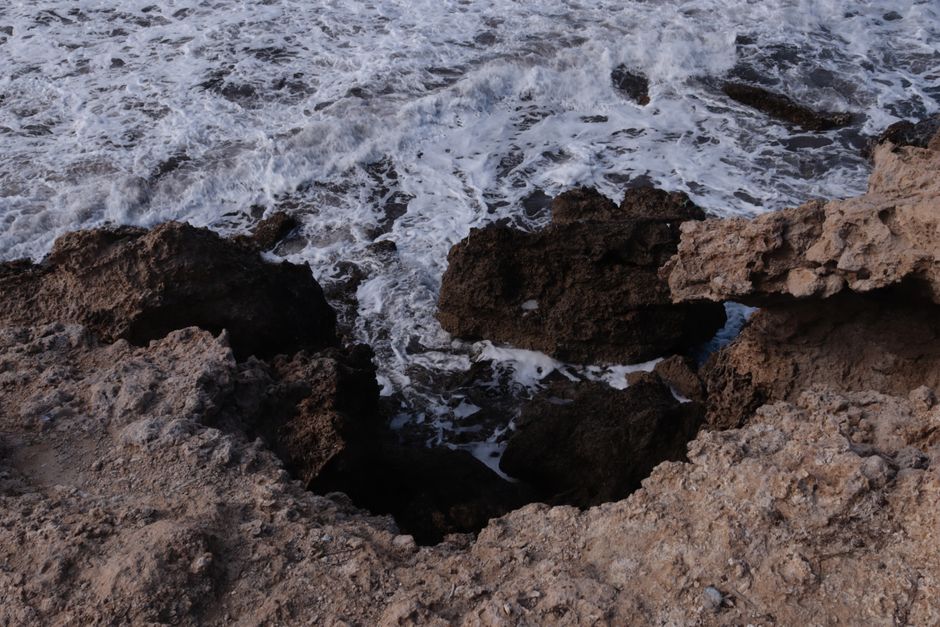
Blowing Rocks Preserve in nearby Hobe Sound is a worthwhile coastal outing from Juno Beach. Its rocky shoreline is especially striking when waves meet the limestone, but conditions depend on the sea and weather. It is a nature preserve, not a place to climb on rocks or swim wherever you like.
Review the preserve’s visitor information and follow all posted safety guidance before setting out. Keep a safe distance from wave action, wear suitable footwear, and avoid visiting during rough surf or severe weather.
Tip 11 – Sample local seafood and casual Florida dining
Juno Beach and the surrounding Palm Beach County area have casual restaurants where visitors can look for seafood, sandwiches, and familiar American meals. Restaurant choices and opening hours change, so check current listings and recent reviews rather than relying on an old directory.
For more variety, consider nearby Jupiter or Palm Beach Gardens, both a short drive away. Ask about the catch of the day, local specials, and whether reservations are recommended during busy evenings or holiday periods.
Tip 12 – Keep breakfast and coffee plans flexible
For a beach-focused morning, have breakfast before heading to the sand or find a café along the nearby main roads. Juno Beach is spread out rather than built around one dense pedestrian downtown, so checking your route and opening hours can save time.
If you are staying in a rental or hotel, a simple breakfast at your accommodation can also help keep costs down. Stock up on snacks and drinking water before a long beach or park visit.
Tip 13 – Plan an easy family day
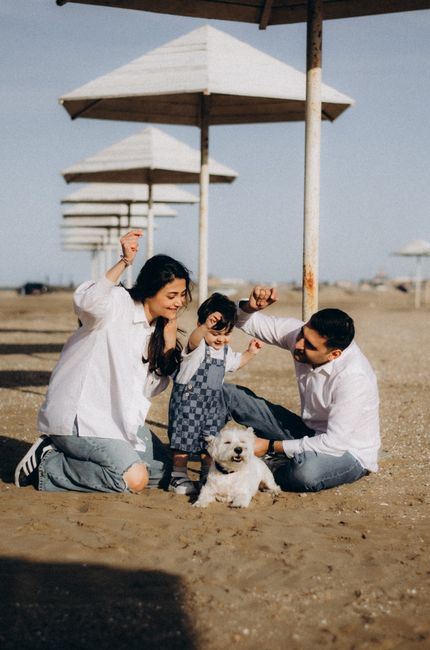
Families can combine a visit to Loggerhead Marinelife Center with a few hours at the beach. The center offers an educational activity, while the shoreline gives children room to play when weather and water conditions are suitable.
Bring sun protection, water, snacks, and a change of clothes. Check the center’s current programs and the town’s beach conditions before you leave, and build in a quiet break during the hottest part of the day.
Tip 14 – Enjoy Juno Beach on a modest budget
A trip here does not have to be built around paid attractions. Beach time, walks, and nature viewing can make up much of the itinerary, while a visit to the sea turtle center or a nearby state park can be chosen to suit your budget and interests.
Save on transport by grouping activities in the same area, and compare accommodation prices in Juno Beach, Jupiter, and Palm Beach Gardens. A room farther from the shoreline may cost less, but check how much you will spend getting to the beach and restaurants.
Tip 15 – Visit Jupiter Inlet Lighthouse on a nearby outing
The Jupiter Inlet Lighthouse is a short drive from Juno Beach and adds local history to a coastal trip. The lighthouse grounds and visitor experiences may have different hours or access arrangements, so check before you go rather than assuming every part is open each day.
Use the Jupiter Inlet Lighthouse and Museum website for current visitor details. This is a useful choice for travelers who want a break from the beach and an activity with a strong connection to the area’s maritime past.
Tip 16 – Choose your season with weather in mind
Winter and early spring often bring comfortable conditions for outdoor activities, while summer can be hot, humid, and stormy. The Atlantic hurricane season runs from June through November, so check forecasts and local advisories when traveling during those months.
Sea turtle nesting season overlaps with warmer months, making conservation a visible part of the local environment. Whatever the season, plan outdoor activities for morning or late afternoon when possible, and keep flexible plans for sudden rain or heat.
Tip 17 – Arrange transport before you arrive
Juno Beach is not a large downtown where every attraction is easily reached on foot. A rental car makes it simpler to visit beaches, nature areas, restaurants, and nearby Jupiter or Palm Beach Gardens. Rideshares may be available, but pickup times can vary.
Local buses serve parts of Palm Beach County, but routes and schedules may not suit every visitor’s plans. Check the Palm Tran route and service information before depending on public transport. If you are flying, Palm Beach International Airport is the closest major airport for many visitors; confirm flight and ground transport options directly with the airport.
Tip 18 – Follow beach and water safety guidance
Check local beach notices, weather forecasts, and posted warnings before swimming. Rip currents can occur along Florida’s Atlantic coast, even when the water looks inviting. If you are caught in a current, do not fight it by swimming directly toward shore; follow current lifeguard or public safety guidance.
For urgent emergencies in the United States, call 911. For non-emergency questions, use official local government or public safety contacts. Keep your phone charged, tell someone where you are going for a longer outing, and avoid entering the water during storms or rough conditions.
Tip 19 – Use maps and weather tools, but verify local details
A map app is useful for finding beach access, restaurants, and nearby attractions, but opening hours and road conditions can change. Check the attraction’s own website or contact it directly when a visit depends on a specific schedule.
Use a reliable local forecast for heat, thunderstorms, and coastal conditions. Save your accommodation address and important contact details offline, especially if you are traveling internationally or expect limited mobile coverage.
Tip 20 – Avoid the most common planning mistake
A common mistake is assuming Juno Beach has a compact resort center where every activity, restaurant, and shop is within a short walk. The town is quieter and more spread out, so plan how you will get between your accommodation, the beach, and evening meals.
Also check the status of the pier and any attraction you most want to visit. If you are pairing Florida with a separate trip to Italy, you can use our guide to 20 Fun and Best things to do in bergamo to plan a contrasting city stop, but keep those travel arrangements separate from your Juno Beach plans.
Visa & Entry Requirements
Juno Beach is in the United States, and entry rules depend on the passport you hold, your reason for travel, and current U.S. government policy. A visa, passport-validity rule, electronic travel authorization, vaccination requirement, customs procedure, and permitted length of stay are not the same for every traveler. Do not assume that a rule applying to one nationality applies to you.
Before booking, check the U.S. Department of State’s official U.S. visa information and the U.S. Customs and Border Protection information for international visitors. Travelers using the Visa Waiver Program must meet its eligibility requirements and obtain the required travel authorization before travel. Other visitors may need a visa appropriate to their purpose. Review the official ESTA website if the Visa Waiver Program may apply to you.
Check your passport’s expiration date and make sure it has any required blank pages. Confirm whether you need a visa or electronic authorization, how long you may stay, and whether your travel purpose matches the permission you have. Some travelers may be asked about return or onward travel and where they will stay, so keep your itinerary and accommodation details accessible.
Review current customs rules for food, medicines, cash, and other goods you plan to bring. Declare items when required and follow instructions from border officials. Vaccination and health documentation rules can change, so confirm them through official U.S. government sources and your airline before departure. Travel insurance is not a substitute for entry permission, but it can help with unexpected medical or travel costs. For the final requirements, consult the U.S. government or the nearest U.S. embassy or consulate. This information is general travel guidance, not legal advice, and no entry outcome can be guaranteed.
Frequently Asked Questions
Is Juno Beach worth visiting?
Yes, especially if you enjoy beaches, wildlife conservation, and a quieter coastal base. The town is small, so visitors looking for a busy nightlife district or a large number of attractions within walking distance may prefer to include nearby Jupiter or Palm Beach Gardens in their plans.
What are the best things to do in Juno Beach for a first visit?
Start with Loggerhead Marinelife Center, spend time at a public beach, and explore a local nature area. If you have extra time, add a nearby state park or the Jupiter Inlet Lighthouse. Check opening hours and access before you go.
How many days should I spend in Juno Beach?
Two or three days gives most visitors time for the beach, the marinelife center, and one or two nearby outings. Stay longer if you want unhurried beach days or plan to explore several places in Palm Beach County.
Do I need a car in Juno Beach?
A car is useful because the town’s attractions and dining options are spread out. Some bus service and rideshares may be available, but routes and wait times may not match every itinerary. Check transport details before deciding to travel without a car.
When is the best time to visit Juno Beach?
Winter and early spring are popular for milder outdoor weather. Summer can be hot and humid, with afternoon storms, and it overlaps with sea turtle nesting season. Check forecasts and local notices whatever time of year you visit.
Can I see sea turtles in Juno Beach?
Sea turtles nest in the wider area, but sightings are not guaranteed, and visitors should never approach or disturb turtles or nests. Learn about conservation at Loggerhead Marinelife Center and follow local rules, especially after dark during nesting season.
Is Juno Beach family-friendly?
It can be a good choice for families who enjoy beaches, nature, and educational visits. Bring sun protection, water, and snacks, and check beach conditions and attraction hours before traveling with children.
Conclusion
Juno Beach is a relaxed Florida destination where a simple beach day can sit alongside wildlife education, coastal walks, and short trips to nearby parks and historic sites. Its appeal is more about nature and a slower pace than a packed schedule of urban attractions.
Plan transport in advance, check current opening times and beach conditions, and take local sea turtle protections seriously. With a little preparation, the best things to do in juno beach can fit into an easy, rewarding Palm Beach County getaway.
