
Key Takeaways
- Start at Denver Union Station for easy downtown access and transit connections
- Explore Red Rocks, Denver Art Museum, Capitol, City Park and nearby neighborhoods
- Use RTD public transport; rent a car only for mountain day trips
- Stay hydrated, acclimate to altitude, and pack layered clothing for changing weather
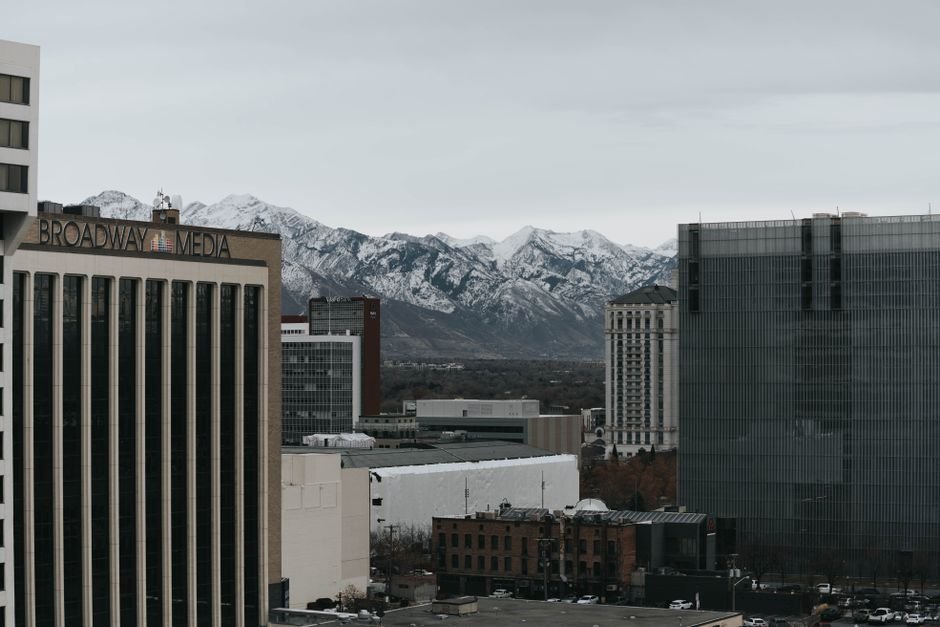
things to do in demver include exploring a lively downtown, tasting local food, and taking in views of the Rocky Mountains. Denver, Colorado, pairs city attractions with easy access to outdoor adventures.
Known as the Mile High City, Denver sits about 5,280 feet above sea level. Give yourself time to adjust, drink water, and take breaks if you are not used to the altitude.
This guide to things to do in demver covers well-known sights, local neighborhoods, practical transport advice, and ideas for different budgets. The city is enjoyable year-round, but weather and mountain conditions can change quickly.
20 Things to Do in demver: A Practical Guide
Tip 1 – Start at Denver Union Station
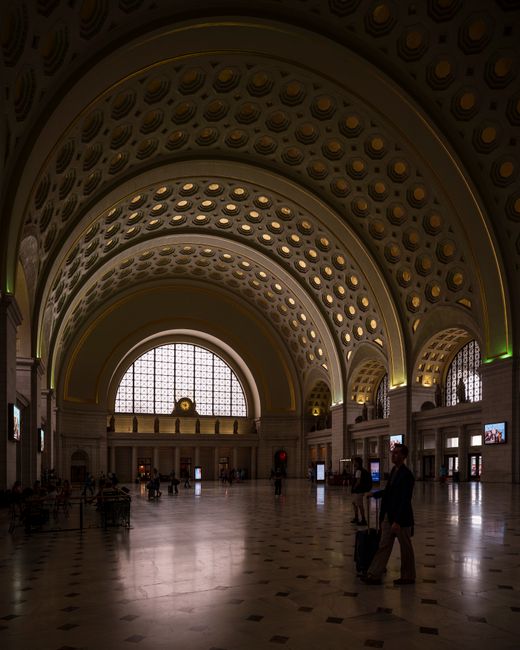
Denver Union Station is a handsome historic landmark and a useful starting point for exploring downtown. Step inside to see the restored Great Hall, then choose from its cafes and restaurants. Nearby LoDo, short for Lower Downtown, has brick buildings, shops, and lively streets.
The station is also a transport hub, so it is convenient if you arrive by train or want to connect to local transit. It can be busy at meal times and on event nights.
Tip 2 – See a show or concert at Red Rocks Park and Amphitheatre
Red Rocks is a natural rock formation and open-air concert venue just outside Denver. The setting is spectacular, even if you are not attending a performance. Check the official schedule before visiting because event preparations or concerts can affect access.
Bring water and sun protection for daytime walks. The altitude and stairs can make the venue feel more demanding than it looks, so take your time. You can check event and visitor information on the official Red Rocks website.
Tip 3 – Explore the Denver Art Museum
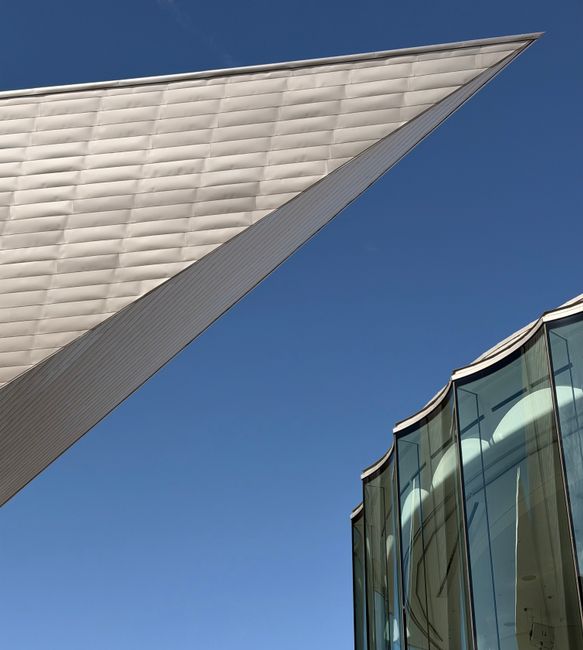
The Denver Art Museum is known for its striking architecture and broad collections, including Indigenous arts, modern and contemporary works, and art from around the world. Allow a few hours rather than trying to see every gallery at once.
Exhibitions, opening hours, and ticket options can change. Check the Denver Art Museum website before your visit, especially if you have a particular exhibition in mind.
Tip 4 – Visit the Colorado State Capitol
The Colorado State Capitol stands near Civic Center Park and offers a look at the state’s government and architecture. Its gold-colored dome is a familiar city landmark. Tours and access arrangements may vary, so check current visitor details before setting out.
Pair the Capitol with a walk through Civic Center Park or a visit to nearby museums. This part of downtown is especially pleasant in mild weather, although summer afternoons can be hot and sunny.
Tip 5 – Spend time in RiNo
The River North Art District, usually called RiNo, is known for murals, galleries, restaurants, and breweries. Walk along its main streets to see public art, but remember that murals can change as walls are repainted.
RiNo is spread across several blocks, and some destinations are easier to reach by transit or rideshare than by walking from downtown. Visit during the day for a relaxed art walk, or go in the evening for food and nightlife.
Tip 6 – Browse the shops and cafes of Larimer Square
Larimer Square is a compact historic district with restored buildings, independent shops, and restaurants. It makes an easy stop while exploring downtown and is particularly atmospheric after dark when the street lights come on.
Prices at some restaurants can be higher than in other neighborhoods. If you are watching your budget, enjoy the architecture and choose a casual meal elsewhere nearby.
Tip 7 – Walk through Denver Botanic Gardens

Denver Botanic Gardens offers a peaceful break from downtown, with themed gardens, seasonal displays, and indoor areas. Spring and summer bring colorful blooms, while the gardens can still be enjoyable in cooler months depending on what is open.
Check admission details and seasonal events before you go. The gardens are not right beside Union Station, so plan your bus, rideshare, or parking arrangements in advance.
Tip 8 – Discover City Park and the Denver Museum of Nature & Science
City Park has open lawns, paths, and views toward the city and mountains on clear days. The Denver Museum of Nature & Science sits beside the park and is a good choice for families or anyone interested in science, wildlife, and regional history.
Both the museum and park can fill a half day or more. Check museum exhibitions and admission information before visiting, and bring a layer because the weather can shift during an outdoor walk.
Tip 9 – Try local food at a neighborhood market
Denver’s food scene includes green chile, tacos, modern American cooking, and plenty of independent cafes. Explore a food hall or neighborhood restaurant to sample several styles without planning a formal dinner.
Ask about spice levels if you are unfamiliar with green chile, as recipes range from mild to hot. For popular restaurants, reserve ahead for weekend evenings or expect a wait.
Tip 10 – Catch a game or event at Coors Field

Coors Field is home to the Colorado Rockies and sits close to downtown. A baseball game is a fun way to spend an evening, even if you are not a dedicated fan. The ballpark’s high elevation can affect how the game feels, and sunny seats may get warm.
Check the team schedule and stadium policies before buying tickets. On game days, transit and walking are often easier than driving and looking for parking near the stadium.
Tip 11 – Sample Denver’s craft beer scene
Denver has a strong craft beer culture, with breweries in areas such as RiNo and the South Platte River corridor. Many taprooms offer tasting flights, which let you try smaller pours rather than committing to a full glass.
Drink responsibly, especially at altitude, where alcohol may affect you more quickly than expected. Use transit or a rideshare if you plan to visit more than one brewery.
Tip 12 – Get to know Capitol Hill and South Broadway
Capitol Hill has historic homes, independent shops, and relaxed cafes. South Broadway offers vintage stores, music venues, and casual places to eat. These neighborhoods give you a different feel from the office towers and visitor sights downtown.
Allow extra time to get between neighborhoods, since Denver’s sights are spread out. Check transit options before you set off, and use well-lit main streets when walking in the evening.
Tip 13 – Plan a mountain day trip carefully
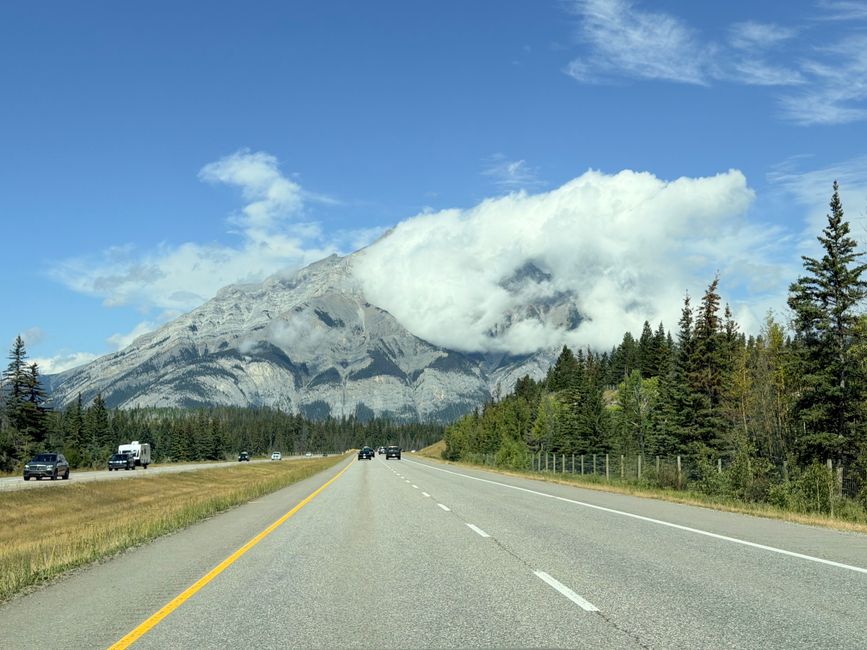
The Rocky Mountains make an appealing day trip from Denver, but a scenic drive is not the same as a quick city excursion. Choose a destination based on the season, road conditions, and how much driving you are comfortable with. Popular mountain roads can be busy on weekends.
Check weather and road updates before leaving, carry water and warm layers, and do not assume every route is open year-round. If you prefer not to drive, look into guided tours or scheduled transport options.
Tip 14 – Walk or cycle along the South Platte River
The South Platte River Trail offers a way to get outdoors without leaving the city. Choose a short stretch for a walk or rent a bicycle for a longer ride. Conditions and trail activity vary, so check your route and stay alert around other users.
Bring water, sunscreen, and a light layer. If you are cycling, follow local rules and use a helmet. The trail is a useful option when you want a break from museums and busy shopping areas.
Tip 15 – Find family-friendly activities
Families can combine City Park with the Denver Museum of Nature & Science, visit the Downtown Aquarium, or look for seasonal events and performances. Check age recommendations, opening hours, and ticket availability before planning the day.
Build in breaks rather than packing too many attractions into one schedule. Denver’s size and altitude can make a full day more tiring, particularly for young children.
Tip 16 – Enjoy free and lower-cost options
Walk through Union Station, admire public art in RiNo, spend time in a city park, or explore downtown on foot. Some museums and attractions offer selected free days, but those dates may require advance reservations or have limited entry times.
Look up current admission prices before you travel. A transit pass may help if you plan to make several trips, but compare its cost with the fares for your actual itinerary.
Tip 17 – Use public transport and plan airport connections
Denver International Airport is far from the city center. The airport train is a convenient option for reaching downtown, while buses, taxis, and rideshares provide other choices. Check the airport’s current ground transportation information at Denver International Airport’s official website.
For getting around the city, check routes and service updates with Denver’s RTD public transit system. Transit is useful along major corridors, but some attractions and neighborhoods may require a transfer or a short rideshare trip.
Tip 18 – Take altitude, weather, and personal safety seriously
Denver’s elevation can cause headaches, fatigue, or shortness of breath for some visitors. Drink water, take it easy on your first day, and avoid overexertion if you feel unwell. Seek medical help for serious or worsening symptoms.
Use ordinary city precautions: keep valuables out of sight, stay aware of your surroundings, and plan your route after dark. Call 911 for an emergency in the United States. For non-emergency local assistance, check official city information.
Tip 19 – Choose your season and pack for changing conditions
Summer is popular for outdoor events and day trips, while spring and fall can bring comfortable temperatures and changing weather. Winter is colder, and snow may affect travel plans. Mountain weather can be very different from conditions in Denver on the same day.
Pack layers, comfortable walking shoes, sunglasses, and sunscreen in any season. Check the forecast shortly before you travel, particularly if you plan to visit Red Rocks or take a mountain excursion.
Tip 20 – Avoid the common mistake of treating Denver as a mountain resort
Denver is a large city, not a ski town, and the Rocky Mountains are not right outside every hotel door. Leave enough time for transport, road conditions, and changing weather if you plan a day trip beyond the city.
If your wider U.S. itinerary includes Texas, plan that as a separate travel leg rather than assuming it is close to Colorado. For ideas for a Texas stop, see this guide to 20 Fun and Best things to do in castroville tx.
Quick Reference for Things to Do in demver
| Experience | Good for | Practical note |
|---|---|---|
| Union Station and LoDo | First-time visitors, food, architecture | Easy to combine with downtown sights |
| Red Rocks | Concerts, scenery, outdoor walks | Check event access and bring water |
| Denver Art Museum | Art and rainy-day plans | Check exhibitions and tickets in advance |
| City Park and nature museum | Families and outdoor time | Allow several hours for both |
| Mountain day trip | Scenery and outdoor activities | Check road and weather conditions first |
| RiNo | Murals, breweries, and restaurants | Plan transport between areas |
Practical Travel Tips for Denver
Getting around
Downtown is walkable in sections, but Denver’s attractions are spread across the city. Use RTD buses and trains for major routes, and check schedules before late-night journeys. A rental car is useful for mountain trips, but it can be an unnecessary expense if you are staying in the center.
Advance bookings
Book accommodation early for major events, busy summer weekends, and popular concert dates. Reserve tickets for games, performances, and timed-entry attractions when required. Check cancellation terms if your plans depend on mountain weather.
Local customs and useful phrases
English is the main language used across Denver. A friendly “hello,” “please,” and “thank you” is appreciated. Tipping is customary in many U.S. restaurants and for some service workers; check the bill because a service charge may already be included.
Useful apps and emergency information
Before arrival, consider downloading the RTD app or using its official trip-planning tools, along with a reliable map app and weather app. Keep your hotel address available offline. Call 911 for police, fire, or medical emergencies in the United States.
Visa & Entry Requirements
Denver is in the United States, and entry requirements are set by U.S. federal authorities. The rules that apply to your visit depend on the passport you hold, your travel purpose, and current government policy. Check requirements with the U.S. Department of State visa information and the U.S. Customs and Border Protection guidance for international visitors before booking or departure.
Check your passport’s expiry date and confirm whether the United States requires a particular period of validity beyond your planned stay for your passport. Passport validity agreements and rules can differ, so do not rely on advice intended for another nationality. Make sure your passport has any blank pages needed for travel documents or entry processing.
Depending on your passport and circumstances, you may need a visa or may be eligible to apply for authorization through the Visa Waiver Program. Electronic authorization is not the same as a visa, and eligibility does not guarantee admission. Apply through official government channels and allow enough time for processing. Do not assume that a previous visa or authorization remains suitable for a new trip.
Before travel, confirm the permitted length of stay and any conditions attached to your admission. Officials may ask about your return or onward travel, accommodation, and the purpose of your visit, so keep relevant booking details accessible. Travel insurance is not a substitute for entry permission, but medical care in the United States can be expensive, making suitable coverage a sensible consideration.
Vaccination and health-related entry rules can change, so check current U.S. government guidance for your route and circumstances. Review customs rules for food, plants, medicines, cash, and other goods, and make required declarations. Requirements can depend on what you bring and where you are arriving from. Use official government sources for your final checks, since policies may change and no general summary can guarantee entry.
Frequently Asked Questions
What are the best things to do in demver on a first visit?
Start with Union Station and LoDo, then choose a museum, a neighborhood such as RiNo, or a visit to Red Rocks. If you have more time, add a park or a carefully planned mountain day trip.
How many days should I spend in Denver?
Two or three days is a useful starting point for downtown, museums, and a few neighborhoods. Add extra days if you want to visit Red Rocks, explore more of the city, or take a mountain excursion.
Is Denver easy to explore without a car?
Yes, especially if you stay near downtown and use public transit, walking, and rideshares. A car is helpful for some mountain destinations, but check road conditions and parking before driving.
What is the best time of year to visit Denver?
Late spring through early fall is popular for parks and outdoor plans. Weather can change in any season, and mountain conditions may differ from those in the city. Check forecasts close to your travel dates.
Is altitude a concern for visitors?
Some travelers feel tired, lightheaded, or short of breath at Denver’s elevation. Take it easy when you arrive, drink water, and get medical help if symptoms are severe or worsening.
Are there free things to do in Denver?
Yes. You can explore public areas such as Union Station, walk through city parks, and view outdoor murals. Some attractions also have free-entry dates, but check schedules and reservation requirements in advance.
Conclusion: Make the Most of Your Denver Visit
The best things to do in demver depend on your interests, but a balanced visit can include downtown landmarks, art, local food, and time outdoors. Pick a few neighborhoods instead of trying to cover the whole city in one day.
Plan transport before you go, allow time to adjust to the altitude, and check current details for events and mountain trips. With a little flexibility, Denver makes a welcoming base for city experiences and Colorado scenery.
