
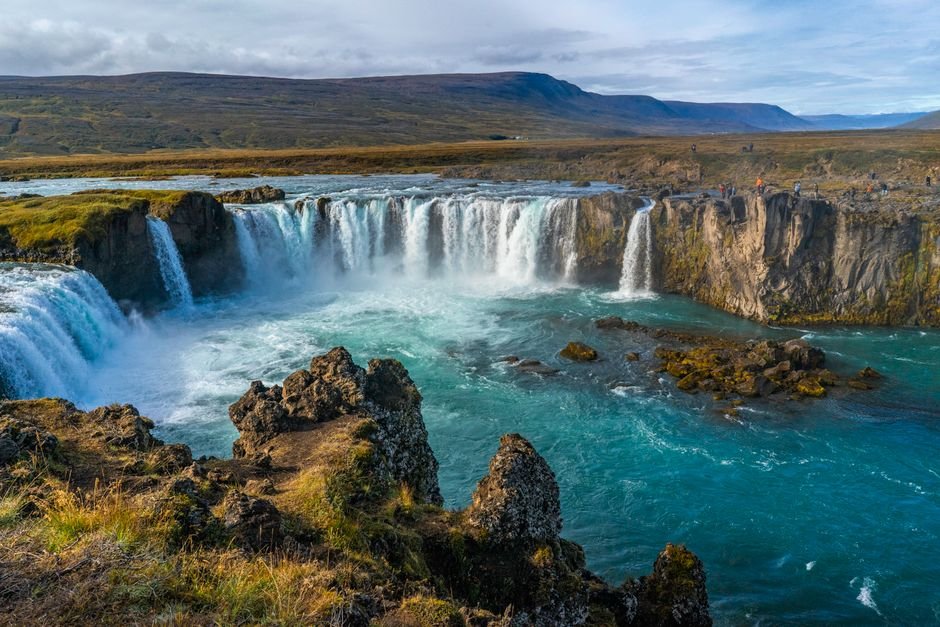
Key Takeaways
- Explore central Reykjavík on foot, focusing on Laugavegur and Hallgrímskirkja
- Take a Golden Circle day trip to Þingvellir, Geysir and Gullfoss
- Join a whale‑watching tour from the old harbor, but sightings are not guaranteed
- Drive safely, check road conditions and weather, and pack layers for changeable July weather
Things to Do in Iceland in July
things to do in iceland in july range from exploring Reykjavík’s colorful streets to taking long summer day trips beneath the midnight sun. July is one of the warmest, busiest months in Iceland, with long daylight hours and good access to many popular sights.
Reykjavík is the country’s capital and a useful base for museums, food, swimming pools, and guided excursions. You can also use the city as a starting point for trips to the Golden Circle, the South Coast, and other parts of Iceland. These journeys take time, so plan your route around realistic driving distances rather than trying to see the whole country in a few days.
Summer brings milder weather, but it does not guarantee sunshine. Pack layers, book popular tours and accommodation ahead, and check road and weather conditions before heading out. This guide covers practical ways to enjoy Iceland in July, whether you have a few days in Reykjavík or a longer trip around the island.
20 Things to Do in Iceland in July
Use this list to plan a mix of Reykjavík activities and day trips. If you are short on time, choose a few experiences that suit your interests instead of trying to fit every major attraction into one itinerary.
Tip 1 – Explore central Reykjavík on foot
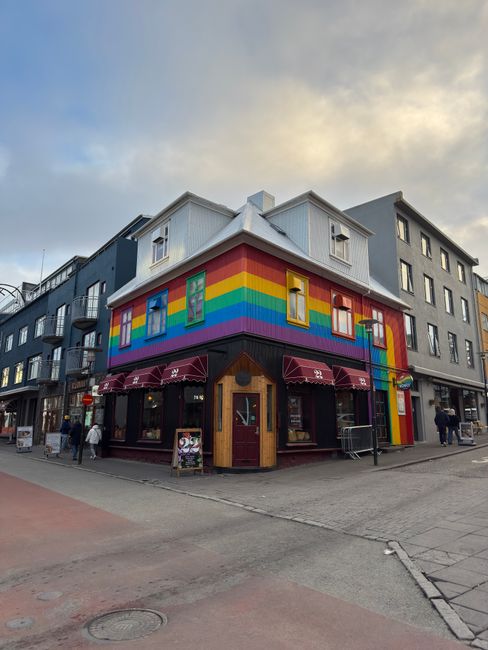
Start around Laugavegur, the city’s main shopping street, then wander into nearby lanes for cafés, independent shops, and colorful houses. The center is compact and easy to explore on foot. Wear comfortable shoes, as you may walk farther than expected between stops.
Hallgrímskirkja is one of Reykjavík’s best-known landmarks. Visit the church interior and, if it is open, take the elevator up the tower for views across the city and surrounding mountains. Check opening times before you go.
Tip 2 – Visit Harpa Concert Hall and the old harbor
Harpa’s glass exterior is worth seeing in daylight and after dark. Walk inside to admire the architecture, check the event calendar, or stop for a break. From there, stroll toward the old harbor, where you will find boat tour operators, seafood restaurants, and views across the water.
Harbor cruises and whale-watching trips often depart from this area. They can be memorable, but sea conditions and wildlife sightings vary. If you are prone to seasickness, consider bringing suitable medication and checking the forecast before booking.
Tip 3 – Take a Golden Circle day trip

The Golden Circle is a popular route from Reykjavík that includes Þingvellir National Park, the Geysir geothermal area, and Gullfoss waterfall. Many visitors join a guided day tour, while confident drivers can rent a car and set their own pace.
Allow a full day, including travel time and stops. In July, popular sites can be busy, so an early departure can make the experience calmer. Stay on marked paths and follow signs around geothermal features.
Tip 4 – See Reykjavík from the water on a whale-watching tour
July is a popular month for whale-watching trips from Reykjavík’s old harbor. Tours typically last a few hours, and operators provide warm outer layers on many boats. Sightings are never guaranteed, so choose a company with a clear policy about repeat trips if wildlife is not seen.
For a more relaxed alternative, take a short harbor cruise or enjoy the waterfront on foot. You can still appreciate the sea and mountain scenery without spending several hours on a boat.
Tip 5 – Spend time at a geothermal swimming pool
Public pools are part of everyday life in Reykjavík. They offer warm outdoor pools, hot tubs, and a chance to unwind after walking around the city. Laugardalslaug is a large, popular option, while smaller neighborhood pools can feel quieter.
Follow the posted washing rules before entering the water. Bring a swimsuit and towel or check whether rentals are available. Pools are often better value than private geothermal spas, though facilities and prices vary.
Tip 6 – Visit a museum when the weather changes
Reykjavík has museums covering Icelandic history, art, maritime life, and local culture. The National Museum of Iceland is a useful place to learn about the country’s past, while Reykjavík Art Museum has several locations and changing exhibitions.
Museums are a practical choice on a rainy or windy day. Check current opening hours and exhibit details before setting out, as schedules can differ by location and season.
Tip 7 – Walk the coastal path to the Sun Voyager
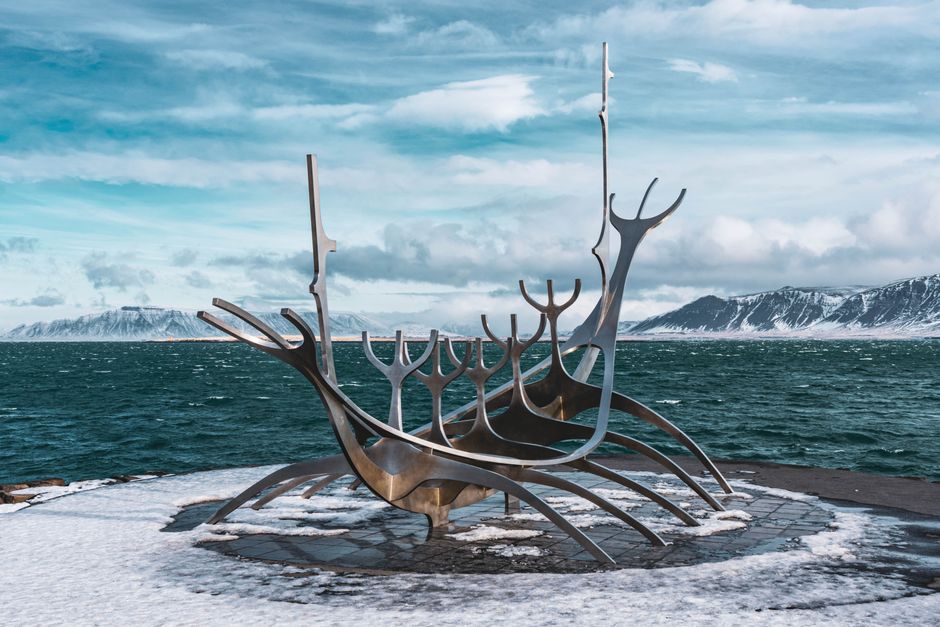
The Sun Voyager sculpture stands along Reykjavík’s waterfront and is an easy stop on a coastal walk. Continue toward the old harbor or simply enjoy the views across Faxaflói Bay. The path is exposed, so bring a wind-resistant layer even on a bright day.
Early mornings and later evenings can feel less crowded. July stays light late into the night, but the low sun can make a sunset walk especially scenic.
Tip 8 – Try Icelandic food in the city
Look for local dishes such as lamb soup, fresh fish, skyr, and rye bread. Reykjavík has everything from casual bakeries and cafés to higher-end restaurants. For a lower-cost meal, compare lunch specials and supermarket options rather than relying on restaurant dinners every day.
Menus and prices can change, and some traditional foods may not suit every taste. Ask staff about ingredients if you have allergies or dietary needs.
Tip 9 – Make a short trip to the Reykjanes Peninsula
The Reykjanes Peninsula, southwest of Reykjavík, has lava fields, rugged coast, geothermal areas, and the Blue Lagoon. It is also close to Keflavík International Airport, which can make it a practical addition at the start or end of a trip.
Conditions and access can change, especially around volcanic areas. Check official safety updates before driving and follow any closures or local instructions. Do not approach active volcanic sites or restricted areas.
Tip 10 – Visit the South Coast’s waterfalls and black-sand beaches
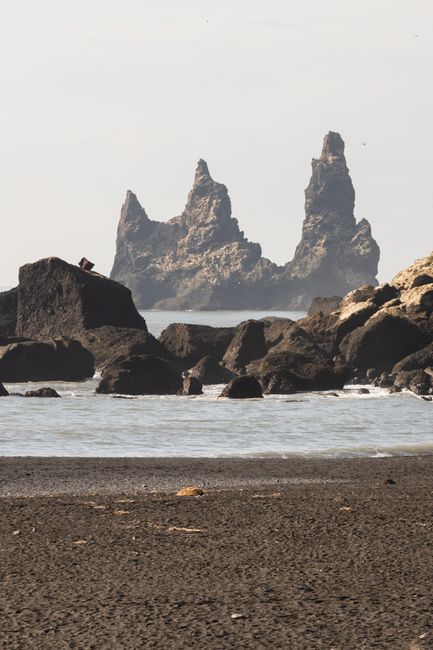
Seljalandsfoss and Skógafoss are two famous waterfalls along the South Coast. Further east, the black-sand beach at Reynisfjara is known for strong waves and striking rock formations. This region is usually visited on a long day trip or as part of a multi-day drive.
Keep well back from the water at Reynisfjara. Sneaker waves can reach far up the beach without warning. Follow warning lights and posted signs, and never turn your back on the sea.
Tip 11 – Add a glacier experience with a qualified guide
Glaciers are impressive, but crevasses, changing ice, and weather make them unsafe to explore alone. Book a guided glacier walk with a reputable operator that supplies suitable equipment and explains the route’s difficulty.
Check what is included before paying, and be honest about your fitness and mobility. If you prefer not to walk on ice, a viewpoint or glacier lagoon boat trip may be a better fit for your plans.
Tip 12 – Choose a hot spring experience that fits your budget
Iceland has several geothermal bathing options, from city swimming pools to destination spas. Private lagoon experiences often cost more and may require advance reservations, while public pools offer a more everyday local experience at a lower price.
Compare location, transport, facilities, and entry rules before booking. Do not assume every natural-looking hot pool is safe for bathing. Use official information and avoid entering water where access or safety is unclear.
Tip 13 – Take a day to enjoy Þingvellir National Park
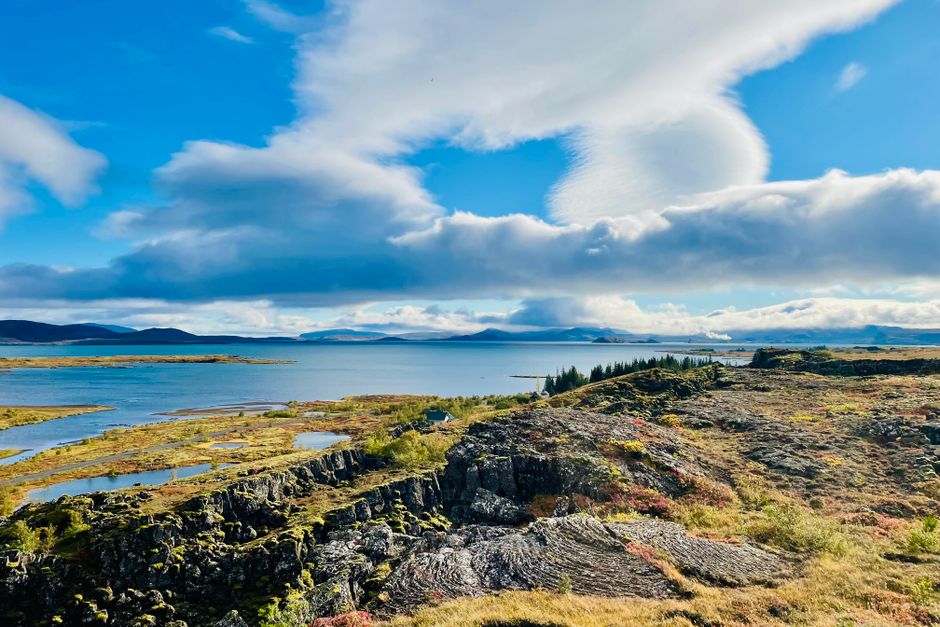
Þingvellir is part of the Golden Circle and is known for its landscape, walking trails, and historic importance to Iceland. Allow time to explore rather than treating it as a quick photo stop. Paths can be uneven, so wear sturdy walking shoes.
Stay on marked routes to protect the landscape and yourself. Check the park’s current visitor information for access details and any notices before travelling.
Tip 14 – Book a northern or highland adventure only if conditions suit
Some travelers use July to reach remote parts of Iceland, including highland areas that are inaccessible in winter. Access depends on road openings, vehicle suitability, weather, and current conditions. A standard rental car is not automatically suitable for every route.
Check road restrictions and rental terms carefully. If a route involves river crossings or rough terrain, choose a qualified local tour instead of taking risks with an unfamiliar vehicle.
Tip 15 – Consider a West Iceland or Snæfellsnes excursion
West Iceland and the Snæfellsnes Peninsula offer coastal scenery, small communities, volcanic landscapes, and long stretches of open road. These areas are rewarding, but they are not a quick add-on to a short Reykjavík stay.
Plan an overnight stop if you want time to explore. Check fuel availability and driving times in advance, and leave room in your schedule for weather or road delays.
Tip 16 – Use Reykjavík’s buses for easy city journeys
Reykjavík is walkable in the center, but buses can help you reach neighborhoods and attractions farther away. Check routes, payment options, and service information with Strætó, Iceland’s public bus service.
For day trips outside the city, compare bus tours, rental cars, and organized excursions. Local buses do not serve every tourist attraction frequently, so confirm the return journey before you leave.
Tip 17 – Plan for long daylight and changeable weather
July has very long daylight hours, which gives you flexibility for sightseeing and road trips. It is not full daylight all night, but evenings stay bright much later than many visitors expect. Bring an eye mask if light affects your sleep.
Weather can shift quickly. Pack a waterproof jacket, warm layers, and shoes that handle wet paths. Check forecasts and local alerts during your trip rather than relying only on the conditions you see in the city.
Tip 18 – Book the most popular experiences in advance
July is peak travel season, so accommodation, rental cars, whale-watching trips, and popular spa visits can sell out. Reserve key parts of your itinerary early, especially if your travel dates are fixed.
Keep some flexibility for outdoor plans. A tour that can be rescheduled or a spare day in your itinerary can help if weather or road conditions change.
Tip 19 – Choose a base and avoid excessive driving
Reykjavík works well for city visits and selected day tours. If you want to explore the South Coast, West Iceland, or other regions in depth, consider staying overnight outside the capital rather than driving back and forth each day.
A common tourist mistake is trying to circle the entire country in a short trip because July has long daylight. Long hours behind the wheel still become tiring, and road conditions can slow you down. Build a route with rest stops and realistic daily distances.
If you enjoy planning city breaks alongside nature-focused trips, our guide to 20 Fun and Best things to do in demver offers another city itinerary to compare when organizing future travel.
Tip 20 – Learn a few local customs and useful phrases
Most people working in tourism speak English, but a few Icelandic words are appreciated. “Takk” means thank you, and “góðan daginn” is a polite greeting during the day. A simple “please” is often expressed through polite wording and tone rather than a direct one-word equivalent.
Follow local signs, respect private property, and leave nature as you found it. Take rubbish with you, keep to marked paths, and do not walk on fragile moss or closed areas.
Quick Reference for Things to Do in Iceland in July
| Experience | Best for | Useful planning note |
|---|---|---|
| Central Reykjavík walk | First-time visitors and short stays | Comfortable shoes make the compact center easier to explore. |
| Golden Circle | Waterfalls, geothermal sights, and history | Allow a full day from Reykjavík. |
| Whale-watching tour | Marine wildlife and harbor scenery | Book ahead and remember sightings are not guaranteed. |
| South Coast trip | Waterfalls, coastline, and black sand | Consider an overnight stop if visiting several places. |
| Geothermal pool | Relaxation and local culture | Check entry rules and bring or rent a swimsuit and towel. |
| Highland drive or tour | Remote landscapes and adventurous travel | Check road openings, vehicle requirements, and safety guidance. |
Practical Travel Advice for Iceland in July
Getting around and road safety
Reykjavík’s central area is easy to explore on foot, and city buses serve many neighborhoods. For longer journeys, a rental car gives flexibility, while guided tours can reduce the pressure of driving unfamiliar roads. Before setting out, check Iceland’s current road conditions and SafeTravel Iceland’s safety information.
Drive on the right and obey speed limits. Roads can be narrow, gravel-covered, or exposed to sudden weather changes. Use designated parking and never stop in the road for a photograph. In an emergency in Iceland, call 112.
Useful apps and emergency information
Save maps for offline use in case mobile coverage is limited. Check official road and weather updates before long drives, and share your itinerary with someone if you are travelling into a remote area. Keep your accommodation address and emergency contact details accessible without an internet connection.
What to pack
Pack layers, a waterproof outer jacket, warm mid-layers, and comfortable water-resistant shoes. A swimsuit is useful for pools and geothermal bathing. Bring an eye mask if you are sensitive to late-evening light, plus any personal medication you may need.
Best time to visit in July
July is a strong choice for travelers who want long days, generally milder temperatures, and access to many seasonal routes. It is also one of the busiest and more expensive months. Early starts can help you avoid some crowds, while booking accommodation and major activities ahead can make planning easier.
Visa & Entry Requirements
Iceland is part of the Schengen Area, but entry conditions are not the same for every traveler. Visa requirements, passport-validity rules, electronic travel authorization requirements, permitted length of stay, vaccination rules, and customs requirements depend on your passport and current government policy. Check the latest information for your specific circumstances before booking and again before departure.
Use the Icelandic government’s Directorate of Immigration information and the Icelandic embassy or consulate responsible for your place of residence. Some visitors may need a Schengen visa, while others may enter visa-free for a limited period. A visa or other travel approval does not guarantee entry, and border officials may ask questions about the purpose and length of your stay.
Check that your passport will remain valid for the period required under the rules that apply to you. Confirm whether it needs unused pages, and make sure the details on any visa or electronic authorization match your passport. If asked, you may need to show return or onward travel, proof of accommodation, and evidence that you can cover your trip. Consider travel insurance that fits your activities and medical needs.
Review official customs guidance before packing food, alcohol, medicines, or high-value goods. Declare items when required and do not assume that rules are the same as those in your home country. Vaccination and health-entry requirements can change, so check official advice close to your travel date. These checks are practical guidance, not a legal guarantee or legal advice. For the final answer, follow current Icelandic government instructions and advice from the relevant embassy or consulate.
Frequently Asked Questions
Is July a good time for things to do in Iceland in July?
Yes. July offers long days, generally milder weather than winter, and access to many popular routes and activities. It is also peak season, so expect more visitors and higher demand for accommodation, rental cars, and tours.
Can I see the northern lights in Iceland in July?
No, July is not a suitable month for northern lights viewing because the nights are too bright. Plan a winter visit if seeing the aurora is a priority.
How many days should I spend in Reykjavík?
Two or three days gives you time to explore central Reykjavík, visit a museum or pool, and enjoy local food. Add more days if you want day trips, or stay longer to explore other regions without rushing.
Do I need to rent a car in Iceland in July?
Not necessarily. You can explore central Reykjavík on foot and use organized tours for many popular sights. A car is useful for independent travel, but only rent one if you are comfortable with the route, road conditions, and applicable rental requirements.
What should I wear in Iceland in July?
Wear layers and bring a waterproof jacket, warm clothing, and comfortable shoes. Even if the day starts sunny, wind and rain can make outdoor stops feel cold.
Are restaurants and attractions in Reykjavík expensive?
Prices can be high compared with many destinations. Save money by comparing lunch offers, using supermarkets for some meals, visiting public pools, and prioritizing the paid tours that matter most to you.
What is the most common mistake visitors make in July?
Trying to cover too much ground in too little time is a frequent mistake. Long daylight does not remove driving fatigue or weather delays. Choose fewer regions, plan reasonable distances, and leave time for breaks.
Conclusion
Things to do in iceland in july include Reykjavík walks, geothermal pools, museums, whale-watching trips, and road journeys to waterfalls, national parks, and coastal landscapes. The best itinerary depends on how many days you have and how much time you want to spend driving.
Book popular experiences early, dress for changeable weather, and check official road and safety updates before travelling beyond the city. If you plan a balanced route and leave room for unhurried stops, July can be an excellent time to experience Reykjavík and the wider landscapes of Iceland.
