
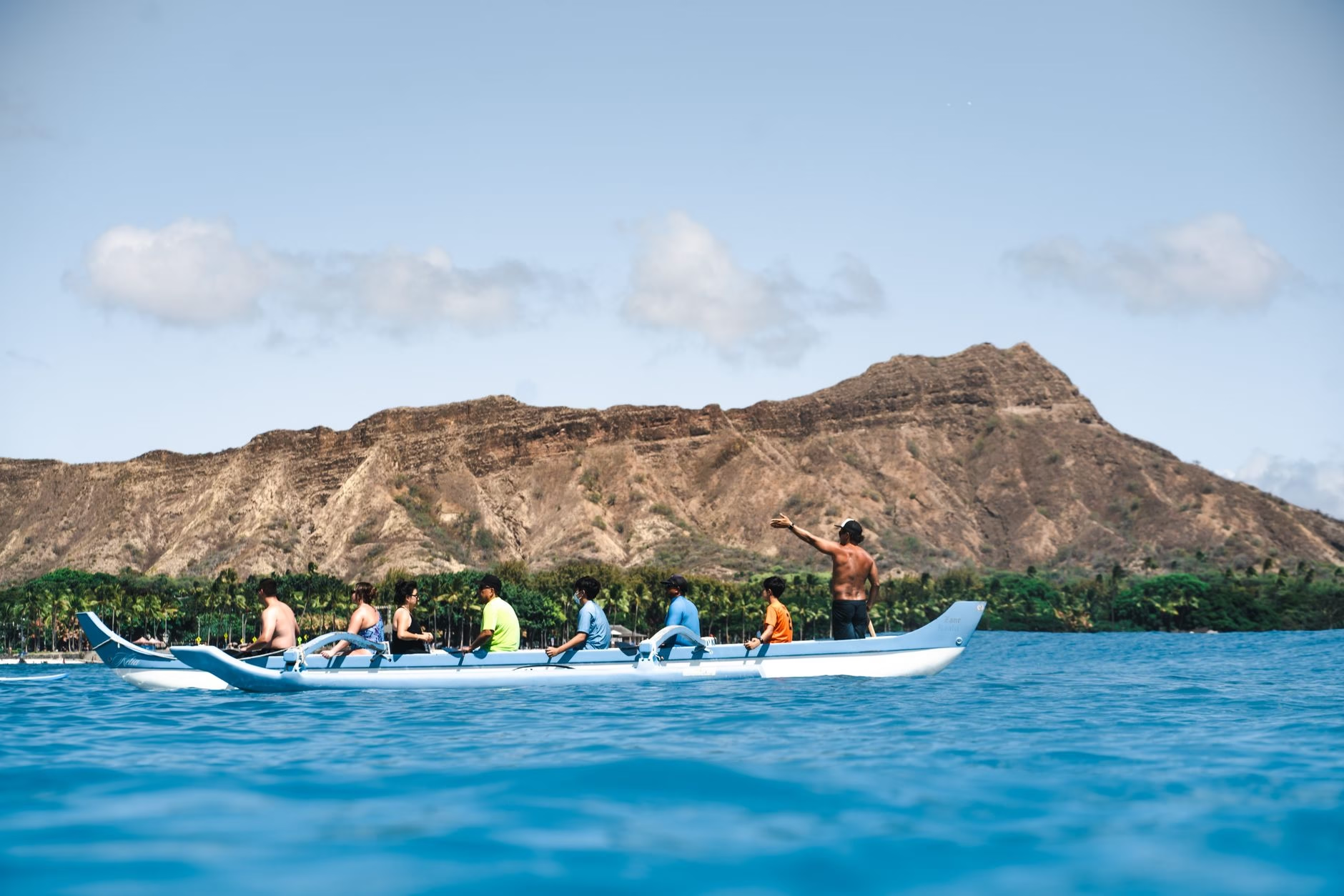
Why Oahu Is a Kid‑Friendly Island
Oahu offers a blend of beach play, cultural immersion, and gentle adventure that feels tailor‑made for families. The island’s compact size makes it easy to hop between attractions without long‑haul drives, while the warm tropical climate encourages outdoor activity year‑round. From interactive museums to tide‑pooling beaches, Oahu presents learning opportunities disguised as fun. The local hospitality culture also means that many restaurants, hotels, and tour operators are accustomed to welcoming children, often providing kid‑focused menus, stroller‑friendly facilities, and flexible scheduling.
When to Visit: Seasons and Weather for Families
Oahu’s climate is classified as tropical semi‑arid, meaning there are two main seasons: a warm, dry summer (May through October) and a cooler, wetter winter (November through April). For families, the summer months usually provide the most reliable sunshine and calm seas, ideal for beach days and snorkeling. However, winter brings larger surf on the North Shore—perfect for watching professional surfers but less suitable for little swimmers.
Consider the school calendar when planning your trip. The summer break aligns with peak tourist season, which can mean higher occupancy at hotels and busier attractions. If you prefer quieter beaches and shorter lines at museums, the shoulder months of late April or early May and September can be sweet spots—still warm enough for swims but with fewer crowds.
- May–June: Warm, moderate crowds, ideal for families.
- July–August: Peak tourism, best for guaranteed activities but expect higher demand.
- September–October: Pleasant weather, lower prices, and still plenty of sunshine.
- November–April: Cooler, more rain, but great for cultural festivals and whale‑watching.
Getting There: Flights and Arrival Tips
Honolulu International Airport (HNL) serves as the primary gateway to Oahu. Most major U.S. carriers operate daily flights from the mainland, and many offer family‑friendly amenities such as early boarding for families with children and complimentary kid meals on longer routes. When booking, look for “family fare” options or flexible tickets that allow changes without heavy penalties—useful if your travel dates shift due to school schedules.
Upon arrival, head straight to the baggage claim and collect any strollers or car seats you may have checked. The airport’s ground transportation center provides clear signage for shuttle services, rideshares, and car‑rental counters. If you plan to rent a car, request a vehicle with a built‑in child‑seat anchor system (LATCH) to ensure a safe ride for younger passengers.
Getting Around: Car Rental, TheBus, and Bike Rentals
Oahu’s public transportation system, TheBus, is a reliable, affordable way to move between major attractions. Buses run every 10‑15 minutes in the Honolulu area and less frequently on the outer island routes. Most buses are equipped with wheelchair ramps and a designated space for strollers, making them a convenient option for families on a budget.
If you prefer the freedom to explore at your own pace, renting a car is a popular choice. A midsize sedan with ample trunk space easily accommodates two car seats, a stroller, and beach gear. Remember that traffic can be heavy around Honolulu during rush hour (approximately 7‑9 am and 4‑6 pm), so plan extra travel time for trips to the North Shore or windward side.
For shorter distances, especially around Waikiki, bike‑share programs and local rental shops offer child‑size helmets and tandem bikes. Riding a bike along the beachfront promenade can be a fun, low‑stress way for older kids to see the coastline.
Top Kid‑Focused Attractions in Honolulu
Honolulu packs a surprising number of attractions that cater directly to children’s curiosity and energy levels.
- Honolulu Zoo: Situated near Waikiki, the zoo showcases native Hawaiian birds, African savanna mammals, and a dedicated children’s petting area. Interactive keeper talks happen several times a day.
- Waikiki Aquarium: A compact yet engaging aquarium that lets kids get up close with Hawaiian reef fish, sea turtles, and an impressive collection of coral. The touch pool is a highlight for tactile learners.
- Bishop Museum: While the museum covers the broader natural and cultural history of Hawaii, its Science Adventure Center offers hands‑on exhibits designed for younger visitors, including a planetarium show about the night sky over the Pacific.
- Honolulu Children’s Discovery Center: An indoor play space where imagination meets education—kids can role‑play as doctors, fire‑fighters, or marine biologists in realistic settings.
All of these sites provide stroller‑friendly paths, family restrooms, and often have on‑site cafés offering kid‑friendly menu options.
Exploring Oahu’s North Shore with Children
The North Shore is famed for its legendary surf breaks, but it also offers gentle activities suitable for families. While the big‑wave spots like Banzai Pipeline and Sunset Beach are best viewed from the safety of the shore, there are calmer coves where the water is shallow enough for little ones to splash.
One popular family stop is Haleiwa Town, a historic surf village with boutique shops, local ice‑cream stands, and a laid‑back vibe. Kids love wandering the art galleries and watching surfboards being waxed. Nearby, the Waimea Valley trail leads to a beautiful waterfall that can be accessed via a short, paved path—perfect for a stroller or a small hiking backpack.
For marine life enthusiasts, the Hanauma Bay Nature Preserve (just south of the North Shore) offers one of the island’s best snorkeling experiences. The bay’s calm, protected waters make it an ideal introduction to underwater exploration for children who can wear a simple mask and snorkel.
Family‑Friendly Beaches and Water Activities
Choosing the right beach can make or break a family vacation. Here are a few top picks that balance safety, amenities, and fun.
- Kapiʻolani Beach Park: Located just west of Waikiki, this beach has a large grassy area for picnics, playground equipment, and gentle surf that’s great for beginner swimmers.
- Ala Moana Beach Park: Featuring a protected lagoon, this spot offers calm waters for paddleboarding and a wide promenade perfect for a family bike ride.
- Lanikai Beach: While a bit farther from the main hotel districts, Lanikai’s powder‑soft sand and shallow waters make it a favorite for families who don’t mind a short drive.
- Sunset Beach (Kailua): On the windward side, the beach’s gentle tide pools reveal small fish and crabs, providing a natural classroom for curious kids.
When planning beach days, pack a basic safety kit: reef‑safe sunscreen, a hat, a small first‑aid pouch, and plenty of water. Many beaches have lifeguard stations, but it’s still wise to keep an eye on children, especially when waves start to build.
Educational Stops: Museums, Gardens, and Cultural Sites
Oahu’s rich heritage is woven into its museums and historic sites, many of which offer interactive programs for children.
- Iolani Palace: The only royal palace on U.S. soil, it offers guided tours that include stories of Hawaiian monarchs—some tours feature a “royal dress‑up” segment for kids.
- USS Arizona Memorial at Pearl Harbor: While the solemn nature of the site calls for respectful behavior, the accompanying museum provides age‑appropriate exhibits that explain World War II history in a way younger visitors can grasp.
- Kapiʻolani Community College’s Tropical Botanic Garden: A quiet spot where families can wander among native plants, learn about traditional Hawaiian uses of flora, and spot native birds.
- Makapuʻu Point Lighthouse Trail: A paved walkway leads to sweeping ocean views, and the lighthouse itself sparks interest in maritime navigation.
Many of these locations feature audio guides or children’s activity booklets that can be downloaded in advance, turning a simple visit into an immersive learning adventure.
Outdoor Adventures: Hiking, Snorkeling, and Parks
While Oahu’s reputation is built on its beaches, the island also boasts a network of family‑friendly trails and parks.
Diamond Head State Monument offers a moderate hike with a paved section that leads to a summit view of Honolulu. The trail’s steepest part is a series of short steps, making it manageable for energetic kids and a rewarding photo spot for the whole family.
For a more relaxed walk, the Manoa Falls Trail winds through a tropical rainforest and ends at a 150‑foot waterfall. The path is mostly shaded, and the occasional stream crossing adds a sense of adventure without being hazardous.
Snorkeling enthusiasts can head to Shark’s Cove on the North Shore during calm summer days. The cove’s rock formations create natural “pools” where colorful fish gather, and the water is typically shallow enough for children to stay near the shore while they explore.
Finally, the Ko Olina Lagoons provide a man‑made, wave‑free swimming environment. The lagoons are surrounded by grassy picnic areas, playgrounds, and a shallow “kid’s beach” that is ideal for toddlers learning to swim.
Food that Kids Love (and Parents Too)
Hawaiian cuisine is a delightful mix of Asian, Polynesian, and American flavors—many of which appeal to younger palates. Breakfast is often a “plate lunch” of eggs, rice, and fruit, while lunch options include fresh poke bowls (which can be customized to reduce raw fish for picky eaters) and loco‑moco, a comfort dish of rice, hamburger patty, fried egg, and gravy.
For a sweet treat, shave‑ice stands across the island serve finely shaved ice topped with flavored syrups—kids adore the bright colors and refreshing coolness. Many vendors also offer “tropical fruit bowls” featuring mango, pineapple, and papaya, providing a nutritious snack on the go.
Most family‑oriented restaurants in Waikiki and the surrounding neighborhoods provide kids’ menus featuring familiar items such as chicken nuggets, pasta, and grilled fish. When dining out, ask for a high chair or booster seat if needed, and request that sauces be served on the side to accommodate selective eaters.
Day Trips from Honolulu That Suit Young Travelers
While a base in Honolulu offers plenty to keep a family occupied, short day trips broaden the island experience without demanding extensive travel.
- Leeward Coast (Ko Olina): A drive of about 30 minutes takes you to the tranquil Ko Olina Lagoons, ideal for calm swimming and a beachside picnic. The nearby Ko Olina Golf Club has a small kids’ playground.
- Kailua Town: This charming windward town offers a sheltered beach with gentle waves, a local farmer’s market (great for fresh fruit snacks), and the iconic Lanikai Pillbox hike—short enough for older children.
- Polynesian Cultural Center: Located on the North Shore, the center offers an immersive cultural showcase with village replicas, hands‑on activities, and an evening luau. The “Ha ‘a No‘i” village, dedicated to children, provides age‑appropriate crafts and storytelling.
- Kualoa Ranch: While many of the ranch’s movie‑set tours focus on thrill‑seekers, the “Family Ranch Tour” includes a gentle horseback ride and a petting zoo, making it suitable for younger kids.
All of these destinations are reachable within a one‑hour drive, allowing families to return to their Honolulu accommodations by early evening.
Budget‑Smart Planning for a Family Vacation
Traveling with children can feel expensive, but a few strategic choices keep costs manageable without sacrificing fun.
- Accommodation: Look for vacation rentals or condo‑style hotels that include a kitchen. Preparing simple breakfasts and snacks reduces the need for daily restaurant meals.
- Transportation: TheBus passes are economical for families; a weekly pass covers unlimited rides for the whole household and can be purchased at most bus stops.
- Free Activities: Beaches, public parks, and hiking trails are generally free. Pack a picnic and spend the day at a beach park that has playground equipment, such as Kapiʻolani Beach Park.
- Discounted Tickets: Many attractions offer reduced rates for children under a certain age or provide family bundles that lower the per‑person cost. Check each site’s official website before you go.
- Souvenirs: Set a modest budget for each child and encourage them to pick one meaningful item—perhaps a locally‑made wooden toy or a small piece of jewelry—rather than multiple trinkets.
By prioritizing experiences over material purchases and taking advantage of the island’s natural assets, families can stretch their travel dollars while creating lasting memories.
Practical Logistics: Packing, Safety, and Health
Preparing for an island trip with kids involves a mix of practical packing and an awareness of local safety considerations.
- Essentials: Pack lightweight, breathable clothing, a wide‑brimmed hat, reef‑safe sunscreen (SPF 30 or higher), and a reusable water bottle for each child.
- Health: Bring a small first‑aid kit containing band‑aids, antiseptic wipes, and any prescription medication. Over‑the‑counter remedies for motion sickness, insect bites, and upset stomachs are helpful for sudden ailments.
- Safety: Most beaches have lifeguard stations; however, always supervise children closely, especially when waves are larger. If your family plans to snorkel, consider a child‑size mask and flotation vest.
- Strollers and Car Seats: A compact, foldable stroller works well on paved sidewalks and in public transport. Verify that any rental car includes LATCH anchors or bring your own car seats to meet safety standards.
- Documentation: Carry copies of passports, travel insurance, and a list of emergency contacts. The local emergency number is 911, and many pharmacies are open late for minor health concerns.
Putting It All Together: Sample 7‑Day Itinerary
Below is a flexible, kid‑focused itinerary that balances beach time, cultural experiences, and light adventure. Adjust the pacing based on your children’s energy levels and interests.
- Day 1 – Arrival and Settling In: Check into a family‑friendly condo near Waikiki. Spend the afternoon strolling the beachfront promenade, letting kids play in the sand at Kapiʻolani Beach Park.
- Day 2 – Honolulu Zoo & Waikiki Aquarium: Morning at the zoo, followed by lunch at a nearby café. After lunch, explore the aquarium and finish the day with shave‑ice on the beach.
- Day 3 – Diamond Head & Beach Time: Early hike up Diamond Head for panoramic views, then reward the family with an afternoon at Ala Moana Beach Park for swimming and paddleboarding.
- Day 4 – North Shore Exploration: Drive to Haleiwa, visit the art galleries, and enjoy a casual lunch of fish tacos. In the afternoon, head to Waimea Valley for the waterfall walk.
- Day 5 – Cultural Immersion: Spend the morning at Iolani Palace with a guided tour, then visit the Bishop Museum for its interactive science exhibits. Evening luau at the Polynesian Cultural Center (reserve a family package).
- Day 6 – Beach Day at Lanikai: Early departure to Lanikai Beach for gentle surf and tide‑pooling. Pack a picnic and let the kids build sandcastles while you relax under the shade of a palm.
- Day 7 – Departure: Use any remaining time to revisit a favorite spot or shop for souvenirs in Waikiki before heading to the airport.
This outline offers a mix of structured activities and free play, ensuring that children stay engaged without feeling rushed. Remember to stay flexible—Oahu’s charm often lies in spontaneous moments, like spotting a sea turtle while snorkeling or joining a local family for a beach volleyball game.
