
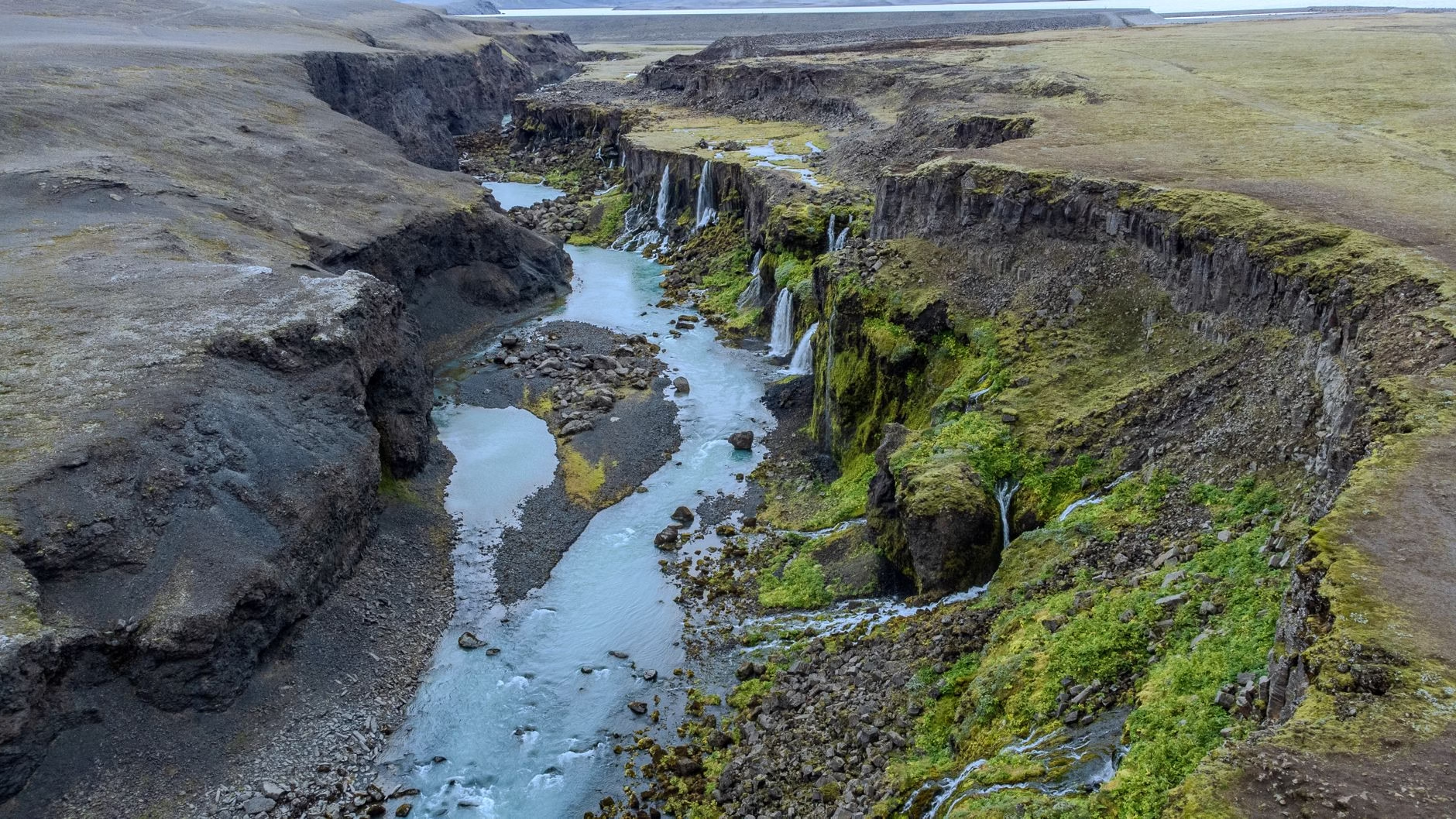
Iceland is a land of fire and ice, where volcanic landscapes sit beside glacial rivers and waterfalls cascade from black‑sand cliffs. It feels like stepping onto another planet, yet the warm hospitality of the locals makes it surprisingly welcoming. Whether you’re chasing the elusive northern lights, soaking in geothermal pools, or trekking across moss‑covered highlands, the island offers a mix of dramatic scenery and cultural quirks that keep travelers coming back. This guide covers the top things to do in Iceland, practical tips for getting around, and ideas for stretching your itinerary without breaking the bank.
1. When to Visit – Seasons and What They Offer
The best time to experience Iceland depends on what you want to see. The country’s high latitude creates distinct seasons, each with its own highlights.
- Summer (June – August): Long days (the midnight sun around the solstice), accessible highland roads, and vibrant festivals. Ideal for hiking and multi‑day road trips.
- Autumn (September – October): Cooler temperatures, fewer tourists, and the first chances to see the northern lights as nights darken.
- Winter (November – March): Snow‑covered landscapes, ice caves, and prime aurora‑hunting conditions. Daylight is limited, but the atmosphere is magical.
- Spring (April – May): Melting snow opens up waterfalls, birdlife returns, and the country awakens from its winter lull.
For first‑time visitors, late June to early September balances weather, road access, and daylight, while still allowing a reasonable chance of spotting the aurora in early September.
2. Getting There – Flights and Entry Basics
The main gateway is Keflavík International Airport (KEF), located about 50 km southwest of Reykjavík. Most intercontinental flights connect through major European hubs such as London, Copenhagen, or Amsterdam. Upon arrival, you’ll go through passport control (no visa required for U.S., EU, and many other nationals for stays under 90 days) and customs.
There are three convenient ways to reach Reykjavík:
- Airport shuttle bus: Regular services run between KEF and the city center, stopping at major hotels and the main bus terminal.
- Taxi: More expensive but offers door‑to‑door service, especially useful if you have a lot of luggage.
- Rental car: Ideal for self‑driving itineraries; pick up the car at the airport and you’ll have the freedom to explore at your own pace.
Remember to have a valid driver’s license (an International Driving Permit is not required for U.S. or EU licenses) and to check the vehicle’s insurance coverage for gravel roads and off‑road use, which are common in Iceland.
3. Getting Around – Roads, Tours, and Public Transport
Iceland’s road network is surprisingly good for a country with such rugged terrain. The Ring Road (Route 1) circles the island, connecting most major sights. However, many attractions lie off this main artery, requiring secondary routes.
Driving tips:
- Speed limits are 90 km/h on paved roads, 80 km/h on gravel, and often lower in towns.
- Always check road.is for weather and road conditions; sudden storms can close mountain passes.
- Fuel stations can be sparse in remote areas, so fill up whenever you can.
- Off‑road driving is illegal and heavily fined—stay on marked roads.
If you prefer not to drive, organized tours are abundant. Day tours, multi‑day packages, and specialty experiences (e.g., ice‑cave walks) are offered by local operators who know the safest routes and can provide knowledgeable guides.
Public buses connect Reykjavík with larger towns like Akureyri and Ísafjörður, but service to rural attractions is limited. For budget travelers, a combination of public transport to major hubs and local tours for remote sites works well.
4. Reykjavík – The Capital’s Must‑See Highlights
Reykjavík may be small, but its cultural pulse is strong. Spend at least a day wandering the city’s colorful streets, soaking up art, history, and cuisine.
- Hallgrímskirkja: This iconic church offers a panoramic elevator ride to a viewing platform with sweeping city views.
- Harpa Concert Hall: A striking glass façade on the harbor; you can join a free guided tour to learn about its architecture.
- Laugavegur Shopping Street: Boutique shops, design stores, and cozy cafés line this main pedestrian avenue.
- National Museum of Iceland: A concise yet thorough overview of the island’s settlement, Viking heritage, and modern development.
- Sun Voyager (Sólfar): A modern sculpture on the waterfront that makes a perfect photo spot at sunrise or sunset.
Evenings come alive in the city’s many bars and music venues. Look for places offering live Icelandic folk or contemporary bands—music is a national pastime, and the capital’s nightlife reflects that.
5. The Golden Circle – Classic Day‑Trip Route
The Golden Circle is the most popular day‑trip circuit from Reykjavík and includes three natural wonders that epitomize Iceland’s geology.
- Þingvellir National Park: A UNESCO World Heritage site where the North American and Eurasian tectonic plates pull apart. Walk the rift valley, see the historic Althing (world’s oldest parliament), and dip your toes in the crystal‑clear Silfra fissure (great for snorkeling if you’re adventurous).
- Geysir Geothermal Area: Home to the original “geyser” that gave the word its name. The active Strokkur erupts every few minutes, shooting boiling water up to 20 m.
- Gullfoss Waterfall: A two‑tiered cascade that drops 32 m into a rugged canyon. On sunny days, you can often spot rainbows in the spray.
All three sites are well‑marked from the Ring Road, with ample parking and visitor facilities. If you have extra time, consider adding the nearby Secret Lagoon in Flúðir for a low‑key geothermal soak.
6. South Coast – Waterfalls, Black Sand, and Glaciers
The south coast is a photographer’s dream, packed with iconic sights that can be explored in a two‑day loop from Reykjavík.
- Seljalandsfoss: A 60‑meter waterfall you can walk behind, offering a unique perspective.
- Skógafoss: A powerful, 25‑meter‑wide cascade with a stairwell to a viewing platform; on sunny days a double rainbow often appears.
- Reynisfjara Black‑Sand Beach: Famous for its basalt columns, sea stacks (Reynir), and roaring Atlantic waves. Keep a safe distance from the water—rogue “sneaker waves” are a known hazard.
- Vatnajökull Glacier: Europe’s largest ice cap. Guided glacier hikes, ice‑cave tours, and the Skaftafell nature reserve are accessible from the nearby town of Höfn.
Stop at the small fishing village of Vík for a quick meal—local fish soup is comforting after a day of exploring. If you have extra time, the Jökulsárlón glacier lagoon, where icebergs drift into a blue‑tinted lake, is unforgettable.
7. West Iceland and Snæfellsnes Peninsula – A Miniature Iceland
Often described as “Iceland in miniature,” the Snæfellsnes Peninsula packs volcanoes, lava fields, cliffs, and charming villages into a compact area.
- Snæfellsjökull National Park: Dominated by a glacier‑capped volcano that inspired Jules Verne’s Journey to the Center of the Earth. Short hikes offer views of lava tubes and coastal cliffs.
- Kirkjufell Mountain: The most photographed mountain in Iceland, especially when reflected in the nearby waterfall, Kirkjufellsfoss.
- Búðir Black Church: A simple wooden church set against a stark black‑sand beach—perfect for a quiet moment.
- Stykkishólmur: A picturesque harbor town with a charming old‑town feel and easy ferry connections to the Westfjords.
Driving the peninsula takes a full day, but you can break it up with a night in the town of Grundarfjörður or the coastal village of Arnarstapi, where sea cliffs host nesting seabirds.
8. The Westfjords – Remote Wilderness for the Adventurous
If you crave solitude, the Westfjords are Iceland’s least‑visited region, offering dramatic fjords, towering cliffs, and abundant wildlife.
- Dynjandi Waterfall: A tiered cascade that drops 100 m in total, often called the “jewel of the Westfjords.”
- Látrabjarg Cliffs: The westernmost point of Europe, famous for puffin colonies during summer. The cliffs also provide stunning sunset views.
- Ísafjörður: The region’s largest town, with a lively cultural scene, museums, and a historic wooden harbor.
- Rauðisandur Beach: A vast red‑sand beach contrasting sharply with the typical black sands of Iceland.
Road conditions can be challenging; many routes are gravel and may be closed in winter. A sturdy 4×4 vehicle is recommended, and checking local weather updates daily is essential.
9. Icelandic Food & Drink – Tasting the Land
Icelandic cuisine is rooted in the sea, the land, and the geothermal environment. While the food scene has modernized, traditional dishes remain a must‑try.
- Seafood: Fresh cod, haddock, and Arctic char are served grilled, pan‑seared, or in hearty fish stews. Look for a “fish of the day” on menus.
- Skyr: A creamy, yogurt‑like dairy product, often enjoyed with berries or honey. It’s high in protein and a quick snack for hikers.
- Lamb: Icelandic lamb is pasture‑raised and has a distinct, slightly sweet flavor. Roasted lamb shoulder with rosemary is a common restaurant offering.
- Hot Dogs: The humble Icelandic hot dog, usually made from lamb, pork, and beef, is a beloved street food—try one with crispy onions, raw onions, ketchup, mustard, and remoulade.
- Geothermal Bread (Rúgbrauð): Dark rye bread baked in the ground using geothermal heat; it has a sweet, dense texture perfect for butter or smoked salmon.
For drinks, try the local craft beers, which often feature Icelandic barley and unique hop blends. Non‑alcoholic options include “Brennivín” (a spirit made from potatoes) for the adventurous, or simply enjoy a cup of hot water with a pinch of sea salt—an age‑old Icelandic remedy for sore throats.
10. Outdoor Adventures – Hiking, Glaciers, and Water Sports
Iceland is an outdoor playground. Below are the most accessible yet unforgettable activities.
- Hiking: Trails range from easy walks around Reykjadalur (the “Steam Valley”) to challenging highland treks like Laugavegur, a 55‑km route that can be completed in four days.
- Glacier Walks: Certified guides lead you across crevasse‑filled ice, using crampons and ice axes. Popular glaciers for tours include Sólheimajökull and Skaftafell’s Vatnajökull.
- Ice‑Cave Exploration: From November to March, meltwater forms crystal‑blue caves within glaciers—these are only accessible with an experienced guide.
- Whale Watching: Húsavík on the north coast is known as the whale‑watching capital, with sightings of humpback, minke, and occasionally blue whales.
- Thermal Baths: Aside from the famous Blue Lagoon, natural hot pools such as the Secret Lagoon, Mývatn Nature Baths, and numerous hidden geothermal springs provide relaxing dips.
Remember to dress in layers, carry waterproof outerwear, and respect local signage—many areas are protected, and staying on marked paths preserves fragile ecosystems.
11. Day Trips and Excursions from Reykjavík
If you’re based in the capital for a few days, several day‑trip options let you sample Iceland’s diversity without a long drive.
- Reykjanes Peninsula: Explore the volcanic landscape of Gunnuhver, the Bridge Between Continents, and the coastal cliffs of Reykjanesviti lighthouse.
- Snæfellsnes (Half‑Day Loop): A quick drive to see Kirkjufell and the lava fields around Berserkjahraun.
- Þórsmörk Valley: Accessible via a super‑jeep or bus, this lush river valley is surrounded by glaciers and offers gentle hikes.
- Hraunfossar and Barnafoss: A series of rivulets spilling over lava fields, located in the west of the island, reachable within two hours.
Most of these trips can be booked through local tour operators who provide transportation and a guide, or you can rent a car and follow well‑marked routes. The flexibility of a self‑drive day trip allows you to stop at hidden waterfalls or photo spots that aren’t on the standard itinerary.
12. Practical Logistics – Accommodation, Safety, and Connectivity
Accommodation options: Iceland offers a range of stays from guesthouses and farm stays (known as “farmstays”) to boutique hotels in Reykjavík and hostels in larger towns. Booking in advance is essential during the summer peak, while winter sees more availability.
Safety: Iceland consistently ranks as one of the safest countries. Still, nature can be unforgiving. Always heed local weather warnings, never walk on glaciers without a guide, and stay away from “dangerous waves” at beaches.
Connectivity: Mobile coverage is excellent in towns and along major roads, but can be spotty in remote highlands. Consider purchasing a local SIM card (e.g., from Íslandssími) for data and navigation. Public Wi‑Fi is common in cafés and hotels.
Currency and Payments: The Icelandic króna (ISK) is the official currency. Credit and debit cards are accepted virtually everywhere, even for small purchases like a coffee. ATMs are plentiful in urban areas but rarer in remote towns—withdraw enough cash before heading into the countryside.
13. Budget Tips – Seeing Iceland Without Overspending
Traveling in Iceland can be pricey, but a few strategies keep costs manageable.
- Cook Your Own Meals: Many guesthouses and hostels provide kitchen facilities. Stock up on groceries from supermarkets like Bonus or Krónan—buying fresh produce and bread is cheaper than dining out for every meal.
- Free Attractions: Most natural wonders (waterfalls, beaches, national parks) are free to access. The main expense is fuel or transport.
- Travel Off‑Season: Visiting in late spring or early autumn reduces accommodation prices while still offering decent weather.
- Use Public Buses for Long‑Distance Travel: The Strætó bus system connects major towns and some rural areas. Combine with day tours for remote sights.
- Bring Reusable Gear: A sturdy water bottle, reusable food containers, and a warm hat can save you on disposable items and keep you comfortable on long hikes.
Consider a “tour‑lite” approach: rent a car for a few days, then join guided day tours for specific activities like glacier hiking. This hybrid method balances freedom with cost efficiency.
14. Sustainable Travel – Respecting Iceland’s Fragile Environment
Iceland’s popularity has put pressure on its delicate ecosystems. Travelers can help preserve its pristine beauty by following these simple principles:
- Stay on Marked Paths: Off‑trail walking can damage fragile moss, which can take decades to recover.
- Leave No Trace: Pack out all waste, avoid littering, and use designated toilets or portable waste bags when facilities are unavailable.
- Respect Wildlife: Keep a safe distance from birds, especially puffins, and never feed animals.
- Use Renewable Energy Options: Choose hotels that advertise geothermal heating or solar power. Many Icelandic establishments already run on clean energy.
- Support Local Communities: Purchase handmade crafts directly from artisans, eat at locally owned restaurants, and consider staying in farmstays that contribute to rural economies.
By traveling responsibly, you ensure that future visitors can experience the same awe‑inspiring landscapes that make Iceland a world‑renowned destination.
Conclusion – Crafting Your Icelandic Adventure
Iceland is a place where every turn reveals a new natural wonder: a waterfall hidden behind a cliff, a geyser erupting in the distance, or a midnight sky illuminated by dancing auroras. The top things to do span iconic routes like the Golden Circle, daring highland hikes, cultural immersion in Reykjavík, and quiet moments soaking in a geothermal pool under a star‑filled sky.
Planning your trip with the seasonal guide, transportation options, and budget strategies outlined here will give you the confidence to explore beyond the guidebooks and discover your own personal highlights. Whether you’re a first‑time visitor chasing the northern lights or a seasoned adventurer seeking remote fjords, Iceland rewards curiosity, respect for nature, and a willingness to embrace the ever‑changing weather. Pack your warm layers, charge your camera, and set out for a land that feels both ancient and newly imagined.
