
Key Takeaways
- White Beach is the island’s iconic stretch of sand
- Bulabog Beach offers world‑class kite‑surfing
- Delicious Filipino seafood is a must‑try
- Plan ahead for peak season crowds and transport
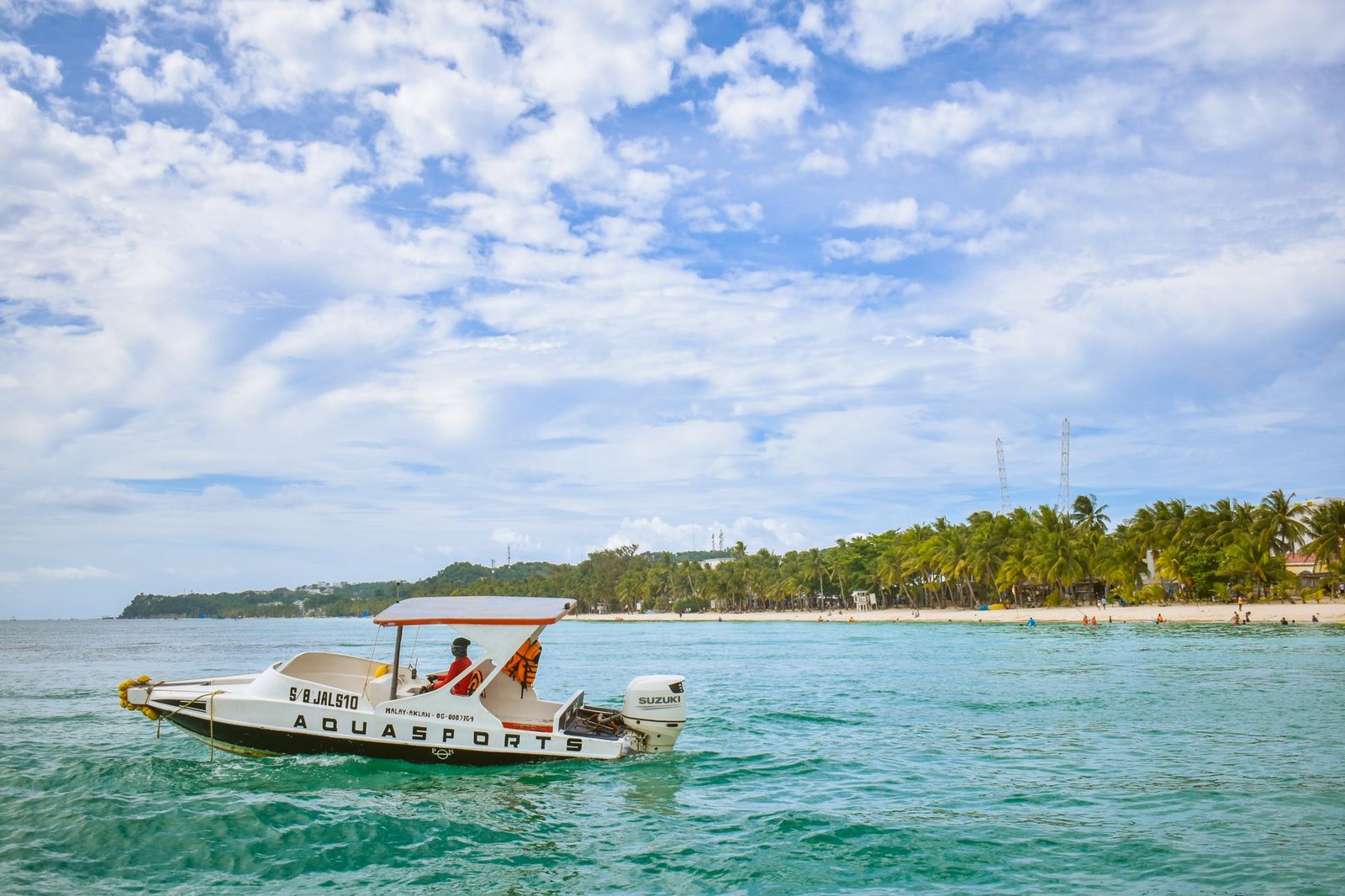
When you type Things to do in boracay into a search engine, you’re probably dreaming of powder‑white sand, crystal‑clear waters, and a lively island vibe that feels both relaxed and exciting. Boracay, a small crescent‑shaped island in the Philippines, has become a magnet for travelers seeking a mix of beach bliss and adventure, all within a compact, walkable area. Whether you’re a first‑time visitor or a repeat explorer, the island offers a surprisingly diverse menu of activities that can fill any itinerary.
This guide walks you through the most rewarding experiences, practical tips, and hidden gems that make Boracay more than just a postcard. From sunrise walks on White Beach to night market feasts, you’ll find the information you need to plan a balanced, unforgettable stay. Remember to check the latest travel advisories and local regulations, as the island periodically updates its environmental policies to protect its natural beauty.
Why Boracay Remains a Top Island Getaway
Boracay’s reputation rests on its stunning shoreline, but the island’s appeal goes deeper than sand. After a major clean‑up in 2018, the government imposed strict visitor caps, waste management rules, and zoning laws that have restored the island’s ecosystems. The result is a cleaner, safer environment that still offers the vibrant energy travelers love.
The island’s compact size, just about 7 kilometers long, means you can walk or bike between most attractions, reducing the need for cars and keeping traffic light. This walkability encourages spontaneous detours: a quiet beachfront bar, a hidden cove, or a bustling market can be discovered in just a few minutes.
Finally, the community’s hospitality shines through in the countless family‑run eateries, friendly dive operators, and locals who greet you with a warm “Mabuhay!” This genuine friendliness enhances every activity, making each experience feel personal.
Things to do in boracay: Beach Activities
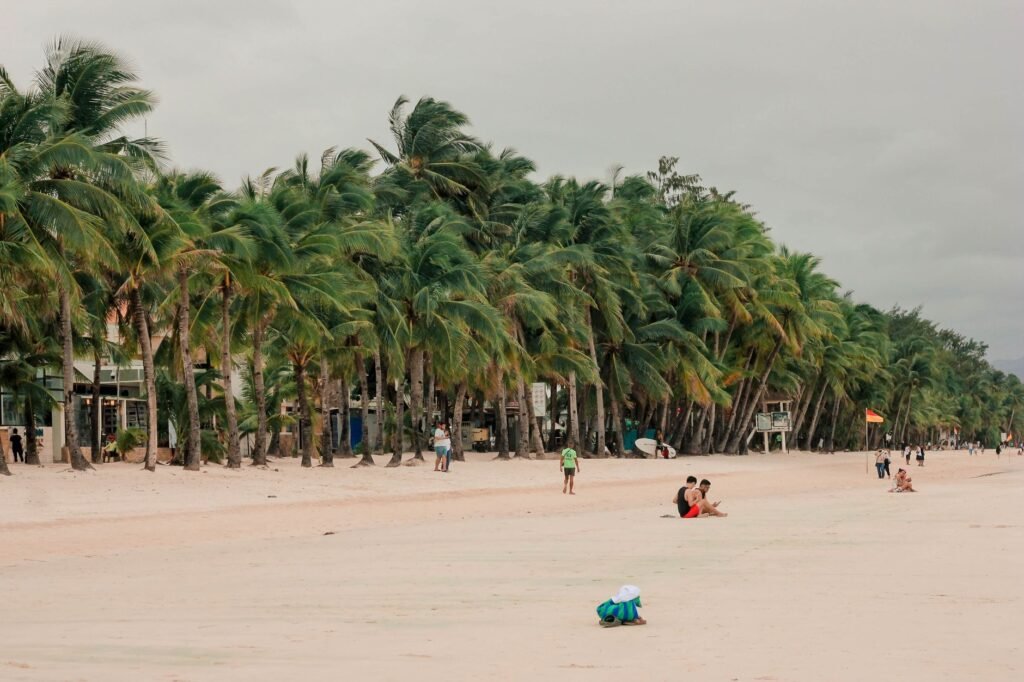
White Beach, the island’s flagship shoreline, stretches for about four kilometers and offers soft, powdery sand that stays cool underfoot even in midday heat. Early morning walks are especially magical, as the sunrise paints the sky in pastel hues while the water remains calm for a gentle swim.
Beyond sunbathing, consider joining a beach yoga class. Many resorts and independent instructors set up mats at sunrise, providing a peaceful way to stretch while listening to the gentle surf. If you’re traveling with kids, the shallow lagoon near Station 1 offers safe wading and sandcastle building.
For those craving a bit of pampering, a beachfront massage under a thatched gazebo can be a perfect way to unwind. Many local therapists use coconut oil and native herbs, delivering a uniquely Filipino spa experience.
Top Beach Spots
- White Beach (Station 1‑4): Ideal for swimming, sunbathing, and a lively promenade of shops and restaurants.
- Bulabog Beach: Known for wind‑powered sports; calmer waters in the early morning make it suitable for paddleboarding.
- Puka Shell Beach: A quieter alternative with natural shells and excellent snorkeling.
Beach Activity Checklist
- Pack reef‑safe sunscreen to protect marine life.
- Bring a reusable water bottle; many beachfront vendors refill for a small fee.
- Rent a beach chair and umbrella from reputable vendors to avoid over‑pricing.
Below is a quick comparison of the island’s most popular beaches:
| Beach | Best For | Typical Crowd |
|---|---|---|
| White Beach | Sunbathing, swimming | Families, couples |
| Bulabog Beach | Kite‑surfing, windsurfing | Adventure seekers |
| Puka Shell Beach | Quiet relaxation, snorkeling | Travelers seeking seclusion |
Water Sports and Adventure
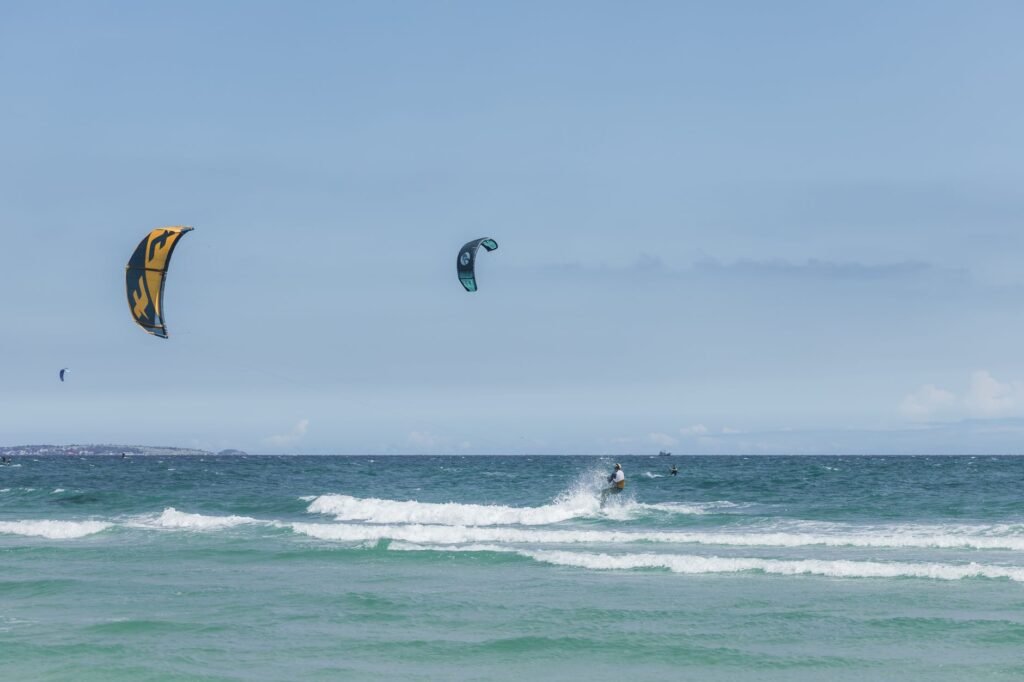
When the trade winds pick up, Bulabog Beach transforms into a world‑class kite‑surfing hub. International schools offer lessons for beginners, while seasoned riders can rent high‑performance kites and boards. The best wind window typically runs from November to April, making the dry season the prime time for aerial thrills.
Snorkeling and scuba diving are equally popular, thanks to the island’s vibrant coral reefs. Dive shops near Station 2 provide gear rentals and guided trips to nearby dive sites such as Crocodile Island and the famous “Shipwreck.” Even novice snorkelers can enjoy the shallow reefs just off the shore of Puka Shell Beach, where colorful fish dart among the corals.
For a unique perspective, try a stand‑up paddleboard (SUP) tour at sunrise. Guided tours often combine paddling with a light breakfast of fresh fruit and local pastries, allowing you to glide over glassy waters while spotting early‑morning marine life.
Must‑Try Water Activities
- Kite‑surfing lessons at Bulabog Beach (beginner to advanced).
- Scuba diving trips to Crocodile Island (depths up to 30 m).
- Snorkeling at Puka Shell Beach (shallow reefs, abundant fish).
- Stand‑up paddleboarding at sunrise (guided tours available).
Safety is paramount: always check the weather forecast, wear a life jacket when required, and follow the instructions of certified instructors.
Exploring the Island Beyond the Sand
While the beaches dominate headlines, Boracay’s interior holds lush tropical scenery worth exploring. A short hike up to the island’s highest point, Mount Luho, rewards you with panoramic views of the entire island and the surrounding sea. The trail is well‑marked, and you can hire a tricycle driver to take you to the base.
Another off‑beach highlight is the Boracay Butterfly Garden, a modest but charming sanctuary where local species flutter among tropical plants. It’s an ideal stop for families and anyone interested in the island’s biodiversity.
Don’t miss the vibrant D’Mall, a pedestrian‑friendly shopping area that blends local boutiques with international brands. Strolling through the open‑air market, you’ll find handmade crafts, clothing, and souvenirs, all while sipping a fresh coconut water.
Island Highlights
- Mount Luho: The highest point, offering 360° views and photo opportunities.
- Boracay Butterfly Garden: Small sanctuary showcasing native butterflies.
- D’Mall: Open‑air shopping and dining hub in the heart of the island.
Food, Drink, and Nightlife
Boracay’s culinary scene reflects the Philippines’ rich multicultural heritage. Seafood reigns supreme: grilled squid, buttered prawns, and the iconic “kinilaw” (Filipino ceviche) are must‑tries at beachfront stalls and upscale restaurants alike.
For a more structured dining experience, head to Station 2 where a range of restaurants serve everything from traditional Filipino dishes to international cuisines such as Italian, Japanese, and Mexican. Many establishments feature live acoustic music in the evenings, creating a relaxed yet lively atmosphere.
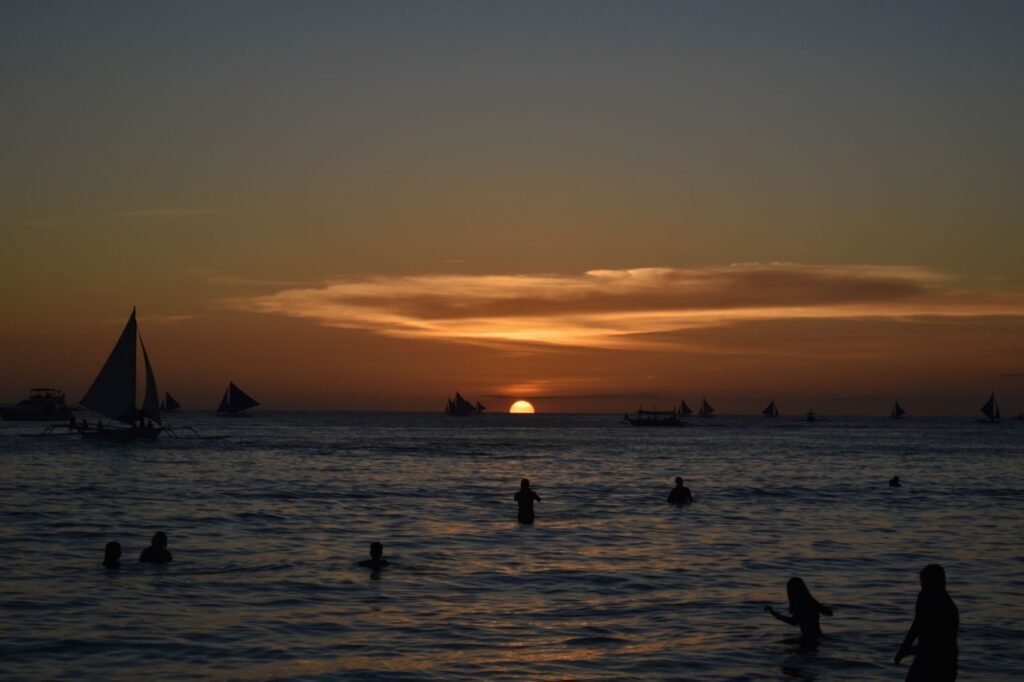
The island’s nightlife is legendary. After sunset, the beachfront transforms with bars offering fire‑dance shows, cocktail specials, and DJ sets that keep the party going until dawn. For a more low‑key evening, the beachfront cafés along Station 1 serve dessert specialties like “halo‑halo” (shaved ice with sweet toppings) and freshly brewed barako coffee.
Top Restaurants and Bars
- Los Indios Bravos: Known for craft beers and a fusion menu of local and Western flavors.
- The Pig Out Bistro: Offers a mix of Filipino comfort food and international dishes.
- Spicebird: Popular for its vibrant Asian street‑food-inspired menu.
- Epic Boracay: A beachfront bar with nightly fire‑dance performances.
Day Trips and Nearby Islands
While Boracay itself can fill a week, the surrounding region offers additional adventures. A short boat ride takes you to the pristine islands of Carabao Island and the secluded beaches of Crystal Cove, where you can enjoy private picnics and snorkeling away from the main crowds.
Another popular excursion is a visit to the nearby town of Malay, where you can explore the historic St. Paul’s Church and the local market. The drive offers a glimpse of rural Philippine life, contrasting sharply with the island’s tourist‑focused vibe.
For a more cultural experience, consider a day tour that includes a visit to the traditional fishing village of Tambisaan. Here, you can learn about sustainable fishing practices, try your hand at net‑weaving, and enjoy a freshly prepared seafood lunch prepared by locals.
Recommended Day Trips
- Crystal Cove Island – snorkeling and cliff‑jumping.
- Carabao Island – quiet beaches and kayaking.
- Malay town – historic church and local market.
- Tambisaan fishing village – cultural immersion and fresh seafood.
Practical Tips for a Smooth Visit
Transportation on the island is primarily via tricycles, motorbikes, and electric scooters. While tricycles are the most common and affordable, always agree on a price before the ride and ensure the driver wears a helmet if you’re on a motorbike.
Accommodation ranges from budget hostels to luxury resorts. Booking in advance during peak months (December to March) is advisable, as rooms fill quickly. Look for places that advertise “eco‑friendly” practices, as many hotels now participate in the island’s sustainability program.
When it comes to money, most establishments accept cash (Philippine pesos) and major credit cards, but smaller vendors often prefer cash. ATMs are available near D’Mall, but they can be busy, so it’s wise to withdraw enough for the day.
Frequently Asked Questions
What is the best time of year to visit Boracay?
The dry season, from November to April, offers sunny days, calm seas, and optimal wind conditions for kite‑surfing. However, this period is also the busiest, so book early.
Do I need a visa to travel to the Philippines?
Most tourists from the United States, Canada, the EU, and many Asian countries can enter visa‑free for up to 30 days. Always verify the latest entry requirements before you travel.
Is Boracay safe for solo travelers?
Yes, Boracay is generally safe, with a visible police presence on the main beach areas. Stick to well‑lit streets at night and keep an eye on your belongings, as you would in any popular tourist spot.
Can I bring my own alcohol to the island?
Importing alcohol for personal consumption is allowed, but be mindful of local regulations and avoid public intoxication. Many bars and restaurants also offer a wide selection of drinks.
The Bottom Line
Boracay delivers a balanced mix of relaxation, adventure, and cultural experiences that appeal to a wide range of travelers. By planning ahead, respecting local sustainability efforts, and exploring both the famous beaches and hidden interior spots, you’ll leave the island with lasting memories and a desire to return.
