
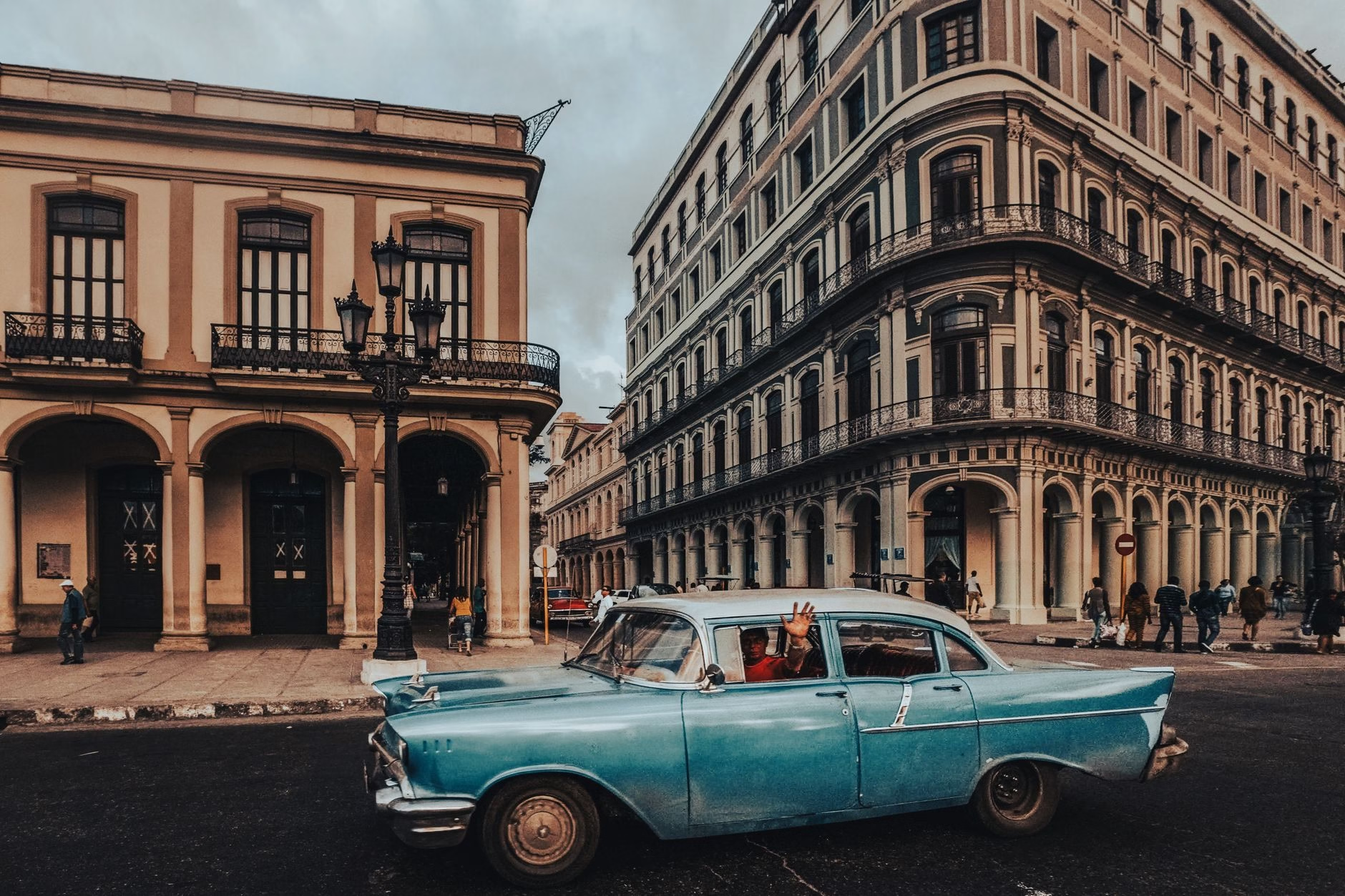
Why Havana Captivates Travelers: An Overview
Havana is more than a city; it is a living museum where every cobblestone, pastel façade, and classic car tells a story. The capital of Cuba blends colonial grandeur, Afro‑Cuban rhythms, and a resilient spirit that has survived decades of change. First‑time visitors are often drawn to the romance of Old Havana’s UNESCO‑listed streets, while repeat travelers discover a thriving arts scene, hidden rooftop bars, and a coastline that stretches beyond the iconic Malecón. Whether you’re a history buff, a foodie, a music lover, or simply someone looking for a vibrant cultural immersion, Havana offers a layered experience that unfolds differently each day.
Top Historical Attractions You Can’t Miss
Walking through Havana is like flipping through a living history book. The most essential sites include:
- Old Havana (Habana Vieja) – A maze of plazas, churches, and restored colonial buildings that date back to the 16th century.
- Plaza de la Catedral – Home to the magnificent Cathedral of Havana, a baroque‑styled gem surrounded by cafés and street musicians.
- Plaza de la Revolución – The political heart of the nation, featuring the massive portrait of José Martí and the iconic José Martí Memorial.
- El Capitolio – Often compared to the U.S. Capitol, this marble structure now houses the Cuban Academy of Sciences and offers guided tours.
- Castillo del Morro (Fortaleza de San Carlos de la Cabaña) – A 16th‑century fortress perched on a hill overlooking the entrance to the harbor, ideal for sunset views.
Each of these sites can be explored on foot, though a local guide can add depth by sharing anecdotes that aren’t found in guidebooks. The combination of architectural elegance and historical significance provides a solid foundation for any Havana itinerary.
Neighbourhoods to Explore Beyond the Tourist Trail
While Old Havana draws the crowds, the city’s character truly blossoms in its surrounding districts. Consider spending time in:
- Miramar – An upscale residential area with wide boulevards, modernist architecture, and a lively expat community. The streets are lined with embassies, art galleries, and quiet cafés.
- Vedado – Known for its Art Deco buildings and the famed Malecón stretch. Vedado offers a mix of cultural venues, including theaters and the University of Havana campus.
- Centro Habana – A bustling, working‑class neighbourhood where you can witness daily Cuban life. The streets are peppered with local markets and authentic “paladares” (private restaurants).
- Jaimanitas – The former home of artist José Ramón González, also known as “Jibaro.” Here, the entire neighbourhood serves as a massive outdoor sculpture garden, with recycled materials turned into whimsical installations.
Venturing into these neighbourhoods gives you a glimpse of contemporary Cuban life, from the everyday rhythms of local markets to the creative energy pulsing through community art projects.
Food & Drink: Savoring Havana’s Culinary Landscape
Cuban cuisine is a fusion of Spanish, African, and Caribbean influences. In Havana, food is as much about the flavors as it is about the setting. Here’s how to make the most of the island’s gastronomy:
- Traditional “paladares” – These are privately owned restaurants, often located in family homes. They serve dishes like ropa vieja (shredded beef), lechón asado (roast pork), and congrí (black beans with rice). Reservations are usually not required, but a friendly smile and a few Cuban pesos go a long way.
- Street food – Try a freshly made “cuban sandwich” with ham, roasted pork, Swiss cheese, pickles, and mustard on Cuban bread, or a sweet “tostada” topped with butter and jam.
- Café culture – Havana’s cafés double as social hubs. Sip on a café cubano (sweet espresso) while watching locals play dominoes in the square. The aroma of strong coffee blends seamlessly with the sound of salsa drifting from nearby speakers.
- Seafood – Given the city’s coastal location, fresh fish and shellfish are abundant. Look for dishes featuring mahi‑mahi, snapper, or conch, often prepared with lime, garlic, and a hint of coconut milk.
- Rum & cocktails – Cuban rum is world‑renowned. Visit a bar with a historic vibe to enjoy a classic mojito or a daiquiri made with freshly squeezed lime juice and local sugarcane rum.
When dining, remember that many restaurants operate on a cash‑only basis and may accept both Cuban pesos (CUP) and convertible pesos (CUC). Carrying small denominations will simplify transactions.
When to Visit: Climate, Festivals, and Crowd Levels
Havana enjoys a tropical climate, with distinct wet and dry seasons. The dry season (November through April) offers pleasant temperatures, lower humidity, and the most comfortable conditions for walking tours. This period also aligns with several cultural festivals, such as the International Jazz Festival in December and the Havana Film Festival in December.
The wet season (May through October) brings higher humidity and brief afternoon showers. However, this is also the time when the city is less crowded, and hotel rates tend to dip. If you prefer a more relaxed atmosphere and don’t mind occasional rain, late summer can be rewarding.
Peak tourist months—December, January, and February—bring larger crowds, especially around the historic plazas and major attractions. For a balance between good weather and manageable visitor numbers, aim for late October or early May.
Getting Around: Transportation Options and Tips
Havana’s compact layout makes it walkable, especially within Old Havana and Vedado. For longer distances or when the heat becomes intense, consider the following options:
- Classic American cars – Riding in a vintage Chevrolet or Ford is a quintessential Havana experience. These “taxis” operate on a shared‑ride basis and can be hailed on the street or arranged through your hotel.
- Public buses (guaguas) – The city’s extensive bus network connects most neighbourhoods. Routes are identified by numbers, and fares are inexpensive, but buses can be crowded during rush hour.
- Bike rentals – Several local shops rent bicycles, especially in the Malecón area. Cycling offers a breezy way to explore the waterfront and nearby parks.
- Walking tours – Many local guides offer free or tip‑based walking tours that focus on history, street art, or culinary highlights. Joining a group is a great way to meet fellow travelers while gaining insider knowledge.
When using taxis or rides in classic cars, it’s customary to agree on a price before departure. Many drivers speak basic English, but a few Spanish phrases—like “¿Cuánto cuesta?” (How much does it cost?)—can smooth negotiations.
Budget Tips: Stretching Your Pesos Without Missing Out
Traveling in Havana can be affordable if you plan wisely. Here are practical ways to keep costs under control while still enjoying the city’s richness:
- Stay in “casas particulares” – These are private homestays that provide comfortable rooms, often with breakfast included. They are cheaper than hotels and give you a chance to interact with Cuban families.
- Eat at local “paladares” – Compared with tourist‑focused restaurants, these eateries offer generous portions for lower prices. Look for places frequented by locals.
- Use public transportation – A bus fare is a fraction of a taxi ride. For short trips within the city center, walking is free and allows you to discover hidden murals and street performances.
- Carry cash in small denominations – Some venues do not provide change for larger bills, and having exact change speeds up transactions.
- Take advantage of free cultural events – Concerts, dance performances, and art exhibitions are often held in public squares and parks, especially during festivals.
By combining modest accommodations, local dining, and public transport, you can experience Havana’s charm without breaking the bank.
Day Trips and Excursions from Havana
While Havana itself is packed with attractions, the surrounding region offers diverse experiences that can be reached within a day:
- Viñales Valley – Approximately two hours west, this UNESCO‑listed landscape features dramatic limestone “mogotes,” tobacco farms, and horseback‑riding tours that reveal the region’s agricultural heritage.
- Playa Santa María del Mar – A pristine beach on the north coast, known for its white sand and clear water. It’s an ideal spot for a quick swim and a relaxed lunch by the sea.
- Las Terrazas – An eco‑village built into the Sierra del Rosario mountains. Visitors can hike, explore waterfalls, and learn about sustainable community projects.
- Cienfuegos – A coastal city about three hours south, celebrated for its French‑inspired architecture and the picturesque Parque Martí.
- Colonial town of Trinidad – Though a longer journey (roughly four hours each way), a guided overnight excursion is possible. Its cobbled streets and pastel houses echo 18th‑century Cuba.
Most day trips can be organized through local tour operators or via shared “collectivo” vans. Booking a group tour often reduces costs while providing transportation and a knowledgeable guide.
Practical Logistics: Visa, Currency, and Connectivity
Before you set foot in Havana, make sure you have the following logistics in order:
- Tourist Card (Visado) – Most visitors need a tourist card, which can be obtained through your airline, a travel agency, or the Cuban consulate. Keep a printed copy handy for immigration.
- Currency – Cuba operates with two official currencies: the Cuban Peso (CUP) for locals and the Convertible Peso (CUC) for tourists. While many places now accept CUP, some upscale venues still price items in CUC. Exchange money at official banks or exchange houses; avoid street exchangers.
- Internet access – Wi‑Fi is available in public parks, hotels, and some cafés. You’ll need to purchase a prepaid “Nauta” card, which provides a certain amount of data. Connections can be slower than in many countries, but they are sufficient for checking maps and messaging.
- Health and safety – Bring any prescription medication, as pharmacies may have limited supplies. Tap water is generally safe to drink in hotels, but many travelers prefer bottled water for peace of mind.
- Electrical outlets – Cuba uses the same voltage as the United States (110‑120 V) and the European standard (220 V) in some hotels. A universal adapter is recommended.
Having these basics sorted before arrival reduces stress and lets you focus on the adventure that awaits.
Nightlife: From Live Music to Rooftop Views
When the sun sets, Havana’s energy shifts from historic serenity to rhythmic celebration. The city’s nightlife is a tapestry of venues that cater to different moods:
- Live music venues – The “Casa de la Musica” in Miramar and the “Fabrica de Arte Cubano” in Vedado host nightly performances ranging from traditional son to contemporary jazz.
- Rooftop bars – Many hotels and historic buildings have opened rooftop terraces offering panoramic views of the Malecón, especially stunning at sunset.
- Open‑air dance parties – In the summer months, plazas like Plaza Vieja often become impromptu stages for salsa bands, inviting visitors to join the dance.
- Casinos – While gambling is not as prevalent as it once was, a few casinos remain in the historic district for those interested in a quick game.
Most venues welcome tourists, but it’s courteous to respect local customs—dress neatly, keep noise levels reasonable, and be mindful of the time when you’re staying in a “casa particular.”
Art, Culture, and Creative Spaces
Havana’s artistic scene thrives in galleries, murals, and community projects scattered throughout the city. Highlights include:
- Street art tours – The neighbourhoods of Jaimanitas and the streets near the University of Havana showcase large‑scale murals that blend political commentary with vivid color.
- National Museum of Fine Arts – Split into two buildings, one focuses on Cuban art from the colonial era to the present, while the other displays contemporary works.
- Almacenes San José Artisans’ Market – A historic market turned arts centre where local craftsmen sell handmade jewelry, paintings, and traditional instruments.
- Performing arts – The Gran Teatro de La Habana hosts ballet, opera, and symphonic concerts, offering a glimpse of Cuba’s high‑culture traditions.
Engaging with these cultural sites provides insight into the creative resilience that defines modern Cuban identity.
Shopping: Souvenirs and Local Crafts
Havana’s markets are treasure troves of unique items you won’t find elsewhere. When shopping, keep an eye out for:
- Hand‑crafted rum bottles – Artists often repurpose vintage rum bottles into decorative pieces, perfect for a distinctive souvenir.
- Mahogany furniture – Small items like coffee tables or decorative boxes showcase Cuba’s renowned woodworking tradition.
- Cuban cigars – While you can purchase cigars at specialized shops, buying directly from a local “cigar shop” often provides better pricing and an authentic experience.
- Traditional music instruments – Maracas, claves, and mini bongos are affordable and make wonderful gifts.
- Local textiles – Embroidered handkerchiefs, linen shirts, and vibrant scarves reflect Cuban color palettes and craftsmanship.
Negotiating a modest discount is customary, especially in markets. Approach bargaining with a friendly smile, and remember that the exchange is part of the cultural interaction.
Health and Safety: Staying Comfortable and Secure
Havana is generally safe for tourists, but common sense goes a long way. Here are key pointers:
- Personal belongings – Keep valuables in a hotel safe or a hidden pouch. Pickpocketing can occur in crowded areas, so be vigilant in busy plazas.
- Sun protection – The tropical sun can be intense. Wear sunscreen, a hat, and lightweight clothing, especially during midday walks.
- Traffic awareness – Classic cars often cruise at a leisurely pace, but traffic patterns can be unpredictable. Use crosswalks and watch for cyclists.
- Medical facilities – Hospitals in Havana are equipped for basic emergencies, but for specialized care you may need to travel to larger centers. Carry a basic first‑aid kit and any personal medication.
- Respect local customs – Public displays of affection are generally accepted, but political conversations can be sensitive. A respectful, open‑minded attitude ensures smoother interactions.
By staying aware and prepared, you’ll enjoy a smooth and memorable stay.
Putting It All Together: Sample 5‑Day Itinerary
Below is a flexible itinerary that balances historic sites, cultural immersion, relaxation, and a day trip. Feel free to adjust based on your interests and travel pace.
- Day 1 – Arrival & Old Havana: Settle into your “casa particular,” then wander Plaza de la Catedral, the Bodeguita del Medio (for a quick mojito), and the nearby museums. End the day with a sunset stroll along the Malecón.
- Day 2 – Vedado & Cultural Evening: Explore the Art Deco streets of Vedado, visit the University of Havana campus, and relax in Plaza de la Revolución. In the evening, catch live jazz at Casa de la Musica.
- Day 3 – Day Trip to Viñales: Depart early for a guided tour of Viñales Valley. Ride horseback through the mogotes, visit a tobacco farm, and enjoy a traditional lunch before returning to Havana.
- Day 4 – Art, Markets & Rooftop Views: Spend the morning at the National Museum of Fine Arts, browse the Almacenes San José market for crafts, then unwind at a rooftop bar watching the city lights over the harbor.
- Day 5 – Beach & Departure: Head to Playa Santa María del Mar for a relaxed morning by the sea. Return to the city for a final Cuban lunch, pack, and prepare for departure.
This outline offers a balanced taste of Havana’s heritage, modern vibe, and natural beauty, ensuring you leave with a comprehensive impression of the city.
