
Key Takeaways
- Plan by area; use a car or bike to reach spread-out attractions
- Enjoy free outdoor options like Coligny Beach, cycling paths, and wildlife refuges
- Reserve popular spots—Harbour Town lighthouse, dolphin cruises, golf tee times—especially in summer
- Pack sun protection, water, insect repellent, and a helmet; follow safety guidelines
fun things to do in hilton head range from biking beneath live oaks to swimming on long Atlantic beaches. Hilton Head Island, in South Carolina, USA, is a relaxed coastal destination with nature trails, golf, family attractions, and Lowcountry food.
The island is around 12 miles long, so it helps to plan activities by area rather than expect to walk everywhere. A car is useful, but bikes work well for many local trips, especially around the beach and resort areas.
This guide to fun things to do in hilton head covers outdoor highlights, places to eat, practical transport, seasonal advice, and ideas for different budgets. Allow time to slow down: beach mornings and unhurried dinners are part of the appeal.
20 Fun Things to Do in Hilton Head
Tip 1 – Spend a morning on Coligny Beach

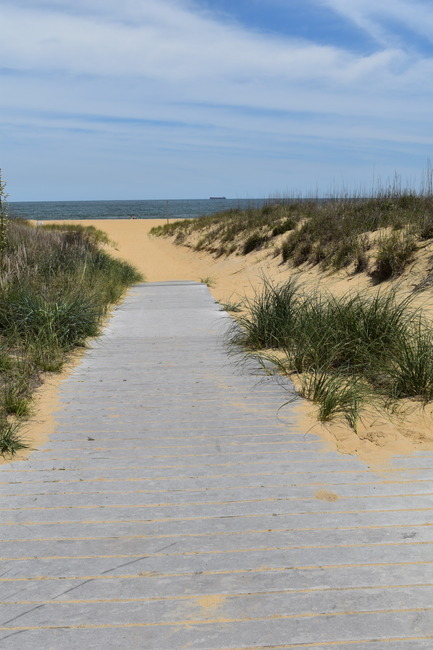
Coligny Beach Park is one of the island’s best-known public beach access points. It has restrooms, outdoor showers, changing areas, and nearby shops and restaurants, making it convenient for a first visit.
Parking can fill up in busy summer periods. Arrive early, check current parking details before setting out, and bring water and sun protection. The beach is public, but rules about pets, alcohol, and equipment can vary by season.
Tip 2 – Cycle the island’s paved paths
Hilton Head has an extensive network of paved pathways that makes cycling an enjoyable way to explore. Rent a bike near your accommodation or arrange delivery, then follow paths between neighborhoods, parks, and beach access points.
Choose a comfortable bike and check the route before you leave. Paths may cross roads and driveways, so ride predictably, use lights when visibility is low, and wear a helmet. Cycling is practical for short local trips, though it will not replace a car for every journey.
Tip 3 – See Harbour Town and its lighthouse

Harbour Town, inside Sea Pines, is known for its red-and-white lighthouse, marina, shops, and waterfront views. It is a pleasant place for a walk, a meal, or a break between beach activities. Check current admission and parking arrangements for Sea Pines before you go, as visitor access may involve a gate fee.
Climbing the lighthouse costs extra, but the views over the marina and Calibogue Sound make it a memorable stop. Sunset is popular, so allow time to find parking and enjoy the harbor before dinner.
Tip 4 – Explore the Coastal Discovery Museum
The Coastal Discovery Museum offers an easy introduction to the island’s history, wildlife, and coastal habitats. Its grounds include historic buildings, gardens, and trails, while indoor exhibits and guided programs add context to what you see outdoors.
Look at the museum’s current calendar before visiting. Some programs require advance reservations, and outdoor activities can be affected by heat or rain. This is a useful choice for families and for travelers who want a break from the beach.
Tip 5 – Take a dolphin-watching cruise
Boat tours on Calibogue Sound and nearby waterways offer a chance to look for bottlenose dolphins and coastal birds. Choose a licensed local operator, ask how long the trip lasts, and confirm where to meet before booking.
Wildlife sightings are never guaranteed, and responsible operators give animals space rather than promising close encounters. If you are prone to seasickness, consider a shorter trip and bring any medication you normally use.
Tip 6 – Paddle a tidal creek or calm waterway
Kayaking or paddleboarding gives you a quieter view of Hilton Head’s marshes and creeks. Guided outings are a good option for beginners because a local guide can explain tides, wind, and the sensitive coastal habitat.
Wear a properly fitted life jacket, follow the guide’s instructions, and check the weather before heading out. Strong wind and changing tides can make an otherwise gentle paddle more challenging.
Tip 7 – Walk the trails at Pinckney Island National Wildlife Refuge
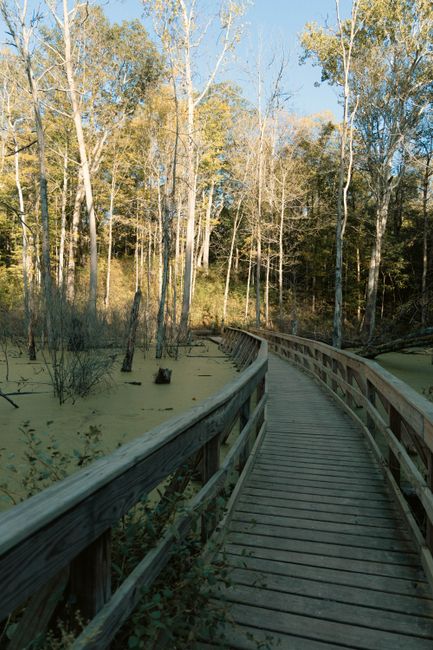
Just off Hilton Head Island, Pinckney Island National Wildlife Refuge has walking and cycling routes through marsh, woodland, and open fields. It is a rewarding outing for birdwatchers and anyone looking for a quieter nature experience.
Bring water, insect repellent, and sun protection, and check the U.S. Fish & Wildlife Service’s Pinckney Island Refuge information for current access details. Keep to marked routes and do not approach wildlife.
Tip 8 – Play a round of golf or visit the practice range
Golf is one of the island’s signature activities, with public and resort courses set among pines, lagoons, and coastal scenery. Compare course locations, green fees, and tee-time availability before choosing. Some courses are a better fit for experienced players, while others offer lessons or practice facilities.
Book ahead during popular travel periods and ask about dress codes and rental clubs. If a full round is too much for your schedule or budget, look for a driving range or a short lesson instead.
Tip 9 – Browse Coligny Plaza
Near Coligny Beach, Coligny Plaza brings together casual restaurants, ice cream shops, boutiques, and practical vacation stops. It is an easy place to get lunch after a swim or pick up a small item you forgot to pack.
It can be busy during summer evenings and holidays. Consider walking or biking from nearby accommodation when possible, and check opening hours if you are visiting outside the main season.
Tip 10 – Visit Shelter Cove Harbour & Marina

Shelter Cove is a waterfront area with restaurants, shops, marina views, and seasonal events. It makes a relaxed stop for a meal or an evening stroll, especially if you want a change of scene from the beach.
Event schedules and boat services vary throughout the year, so check what is running during your visit. In warm months, arrive early for dinner if you want an outdoor table.
Tip 11 – Try Lowcountry seafood and local favorites
Look for shrimp, oysters, fresh fish, and Lowcountry dishes such as shrimp and grits. Menus change with the season and the day’s catch, so ask what is local rather than assuming every seafood item was caught nearby.
For a casual meal, explore the restaurants around Coligny or Shelter Cove. If you want a special dinner, reserve a table ahead during holidays and summer weekends. Travelers researching another coastal food and culture destination may also enjoy this guide to 20 Fun and Best things to do in da nang vietnam.
Tip 12 – Watch the sunset over Calibogue Sound
Hilton Head’s western side offers broad views across Calibogue Sound, where the evening light can be beautiful. Harbour Town and other waterfront spots are popular places to watch the sky change, though exact sunset views depend on your location and the weather.
Check the sunset time and arrive early if you are going to a busy area. Bring a light layer in cooler months, and use marked public access rather than entering private property.
Tip 13 – Visit the island’s historic sites
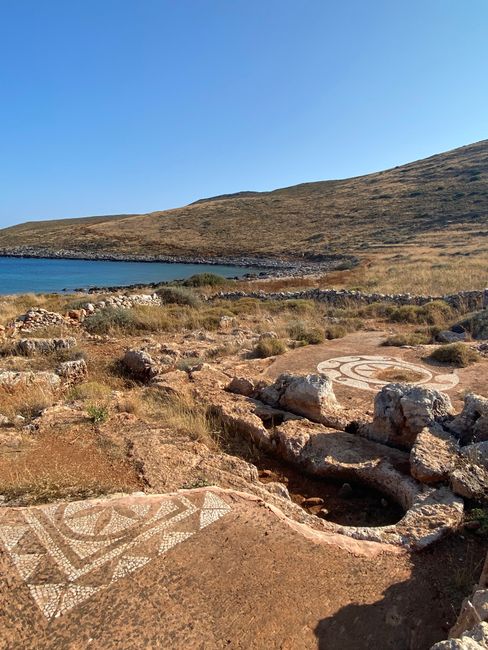
Hilton Head’s history includes Indigenous communities, plantation-era history, the Civil War, and the Gullah Geechee people whose culture remains an important part of the region. The Coastal Discovery Museum and local cultural programs provide ways to learn more respectfully and with helpful context.
Look for guided heritage tours and ask who is leading them and what topics they cover. Take time with the stories rather than treating historic places as photo stops alone.
Tip 14 – Spend time at a family-friendly park
Lowcountry Celebration Park has open space, play areas, and room for children to move around between beach visits. It is a useful option when little ones need a break from sand and salt water.
Bring snacks and check the weather, especially in hot months when shaded areas may be limited. Follow posted park rules and keep an eye on children near play equipment and water features.
Tip 15 – Go fishing with a local guide
Fishing charters can take visitors into local creeks, estuaries, or coastal waters, depending on conditions and the trip selected. Ask whether gear and bait are included, what the trip length is, and whether any permits or licenses are needed for your specific outing.
Regulations can differ by species and type of fishing. Confirm current rules with the operator or appropriate South Carolina authorities, and do not keep fish that are out of season or below the legal size.
Tip 16 – Choose a beach walk or shell hunt
A quiet walk along the shore is one of the easiest fun things to do in hilton head, especially early in the day when the sand is cooler. Look for shells, shorebirds, and changing patterns in the tide without disturbing animals or protected areas.
Leave living shells and wildlife where you find them, and check local rules before collecting anything. Tide conditions can change quickly, so stay aware of the water and avoid walking near unstable dunes.
Tip 17 – Find free and lower-cost activities
You do not need to book a paid tour every day. Public beach time, cycling on public paths, sunset walks, and some park visits can help keep costs down. The island’s official visitor information is a good starting point for current events and activity ideas.
Check the official Hilton Head Island visitor website for destination information, seasonal happenings, and planning resources. Remember that parking, bike rental, food, and access fees can still add to a low-cost day.
Tip 18 – Take a day trip only if you have enough time
Hilton Head is a good base for exploring other parts of coastal South Carolina and nearby Georgia, but driving times depend on traffic and your destination. Savannah is a popular nearby city, yet adding it to a short stay can leave little time to enjoy the island itself.
If you plan a day trip, check the route, parking, and return journey in advance. For a first visit of only a few days, staying on the island may make for a more relaxed itinerary.
Tip 19 – Pick the right season for your trip
Spring and fall often bring pleasant weather for cycling and outdoor activities, while summer is popular for swimming and family holidays. Summer can also be hot, humid, and busy, with higher demand for accommodation and restaurant bookings.
Winter is generally quieter, but some seasonal businesses and activities may have reduced hours. Check local forecasts and opening schedules rather than assuming every attraction operates year-round.
Tip 20 – Plan local transport and book key activities early
Many visitors arrive by car, and a vehicle makes it easier to move between beaches, marinas, and different parts of the island. Savannah/Hilton Head International Airport serves the region, while Hilton Head Island Airport has more limited flight options. Compare routes before booking flights.
Biking is a practical choice for shorter journeys, but do not assume every activity is close enough to reach on foot. Check parking, rideshare availability, and any shuttle or seasonal transport schedules. Reserve popular boat trips, golf tee times, and summer accommodation ahead of time.
Quick Reference for Hilton Head Island
| Plan | Useful details |
|---|---|
| Best for beaches | Coligny Beach is convenient for facilities, shops, and restaurants nearby. |
| Best outdoor activities | Try cycling, kayaking, wildlife watching, golf, or a guided boat trip. |
| Getting around | A car is useful across the island; bikes work well for many shorter trips. |
| Busy season | Summer is popular and can be hot, humid, and crowded. |
| Budget ideas | Plan beach time, public path rides, and walks, while checking parking and access costs. |
| Emergency number | Call 911 in the United States for an emergency requiring police, fire, or medical help. |
Practical Tips for a Smooth Hilton Head Visit
Local customs and useful phrases
English is the main language you will hear. A friendly “hello,” “please,” and “thank you” is appreciated, and restaurant tipping is customary in the United States. Around beaches and wildlife areas, follow signs, respect private property, and give other visitors room.
What to pack
- Light clothing, a sun hat, sunglasses, and broad-spectrum sunscreen.
- Comfortable walking shoes or sandals, plus a swimsuit and a light cover-up.
- Insect repellent for marsh walks and outdoor evenings.
- A refillable water bottle and a light rain layer.
- A helmet if you bring your own bike, or use one provided by a rental shop.
Safety, weather, and useful apps
Heat and strong sun can make outdoor activities tiring, so drink water and take breaks in shade. Follow beach flags and lifeguard instructions, and never turn your back on changing surf. In marsh and wooded areas, stay on marked paths and watch for insects and wildlife. Do not feed or approach alligators or other wild animals.
Use a reliable map app to check routes and traffic, and check local weather alerts before boating or cycling. Save your accommodation address and keep your phone charged. For a medical emergency, fire, or immediate safety threat, call 911.
The most common tourist mistake
A common mistake is treating Hilton Head as a single compact beach town where every attraction is a short walk away. The island is spread out, access and parking differ by location, and some resort communities have their own entry arrangements. Group activities by area, check access before leaving, and build in time for traffic and parking.
Visa & Entry Requirements
Hilton Head Island is in South Carolina, United States, so international visitors must meet U.S. entry requirements. The rules depend on the passport you hold, your reason for travel, your intended length of stay, and current government policy. Requirements can change, and a rule that applies to one nationality may not apply to another.
Before booking, check whether you need a visitor visa or may travel under the Visa Waiver Program with an approved Electronic System for Travel Authorization (ESTA). ESTA is not a visa, and eligibility depends on the traveler and trip. Use the U.S. Department of State’s official visa information and the U.S. Customs and Border Protection official ESTA website to confirm which process applies. Apply only through official government channels.
Check your passport’s validity requirements and make sure it has usable pages for travel. Any required visa or authorization should be arranged before departure, with enough time to address delays. An airline may ask to see a return or onward ticket, and you may be asked about where you will stay and how long you plan to remain. Keep accommodation details and relevant travel documents accessible.
Vaccination and health requirements depend on current U.S. policy and your travel history. Customs rules also apply when entering the United States. Declare items when required, including food, agricultural products, and goods subject to customs restrictions. Do not assume an item is permitted because it is commonly carried elsewhere.
Travel insurance is not a substitute for entry permission, but it may help with eligible medical or travel costs. Check the policy wording and coverage limits before you leave. For final requirements, consult the U.S. government, an official U.S. embassy or consulate, and your airline. This information is general guidance, not legal advice or a guarantee of entry.
Frequently Asked Questions
Is Hilton Head Island worth visiting?
Yes, especially if you enjoy beaches, cycling, golf, boating, and a relaxed coastal pace. It may be less suitable if you want a dense city center or a trip based entirely on public transport.
What are the best fun things to do in hilton head for first-time visitors?
Start with Coligny Beach, a bike ride on the island paths, and a visit to Harbour Town. Add a dolphin cruise or Coastal Discovery Museum visit if you have another day.
How many days should I spend on Hilton Head Island?
Two or three days gives you time for the beach and a few activities. A longer stay is better if you want to play golf, take boat trips, visit nature areas, and enjoy several different parts of the island without rushing.
Do you need a car in Hilton Head?
A car is convenient because the island’s attractions are spread out. You can manage some local trips by bike, especially near beach areas, but check the distance and route before relying on walking or cycling for a full day of activities.
What is the best time of year to visit Hilton Head?
Spring and fall can be comfortable for outdoor activities, while summer suits visitors focused on swimming and school-holiday travel. Summer is also a busy period, and winter can bring quieter conditions with fewer seasonal services.
Are there free things to do in Hilton Head?
Beach visits, walks, and rides on public pathways can be low-cost ways to enjoy the island. Check parking fees and access rules, since a free activity can still involve transport or parking costs.
Is Hilton Head Island family-friendly?
Yes. Families can choose from beach time, bike paths, boat trips, parks, and kid-friendly restaurants. Plan around the heat, carry water, and check age or height requirements before booking activities.
Conclusion
Hilton Head Island is at its best when you balance active outings with time to relax. Spend a morning at the beach, take a bike ride, and choose one or two activities such as a lighthouse visit, a wildlife walk, or a boat trip.
For the most enjoyable visit, plan transport and reservations around the areas you want to see, check current access details, and prepare for coastal weather. With a little planning, fun things to do in hilton head can fit a family holiday, a quiet couple’s escape, or an outdoor-focused trip.
